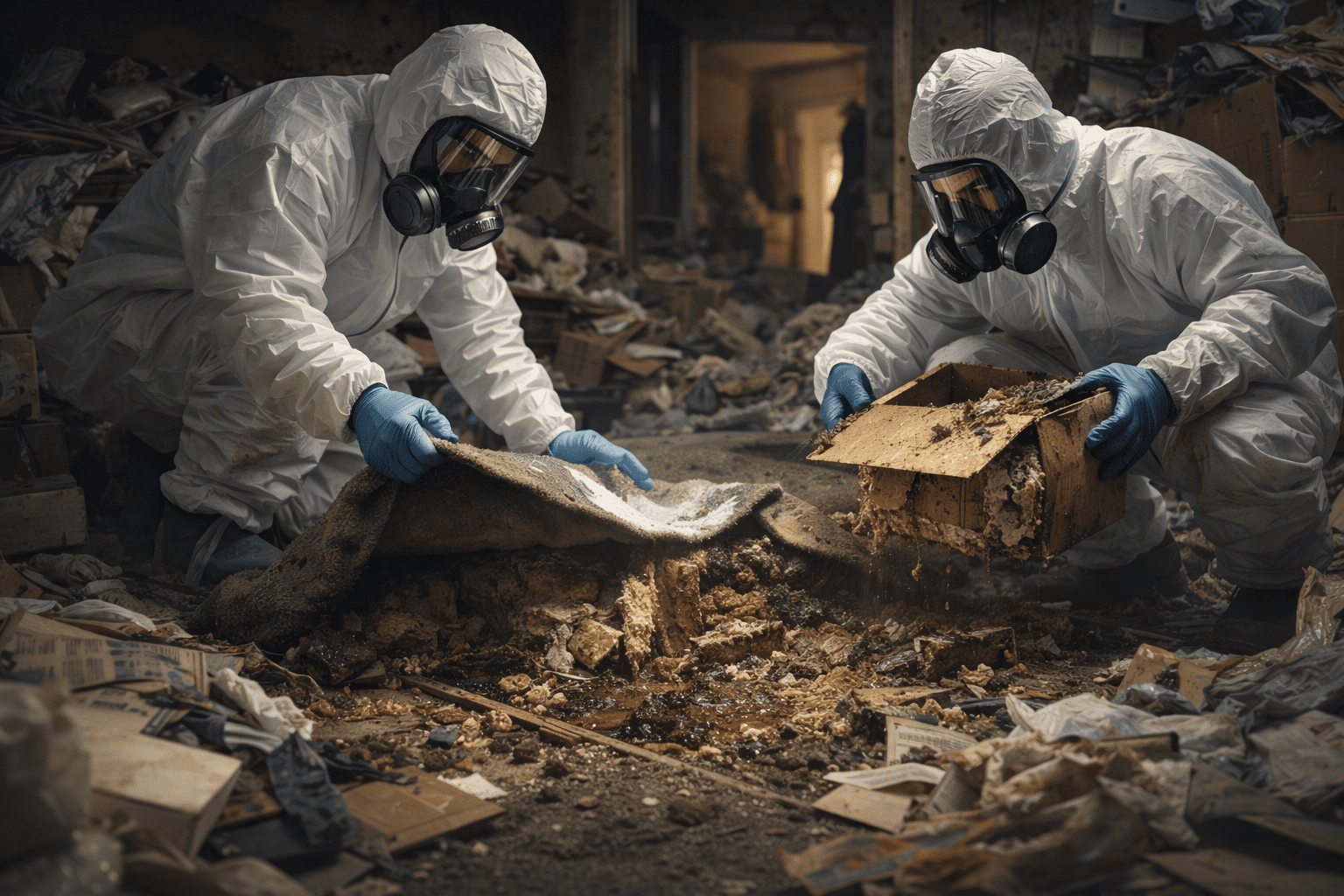
In Hoarding Cleanup, the Greatest Threat Is Often the One No One Can See
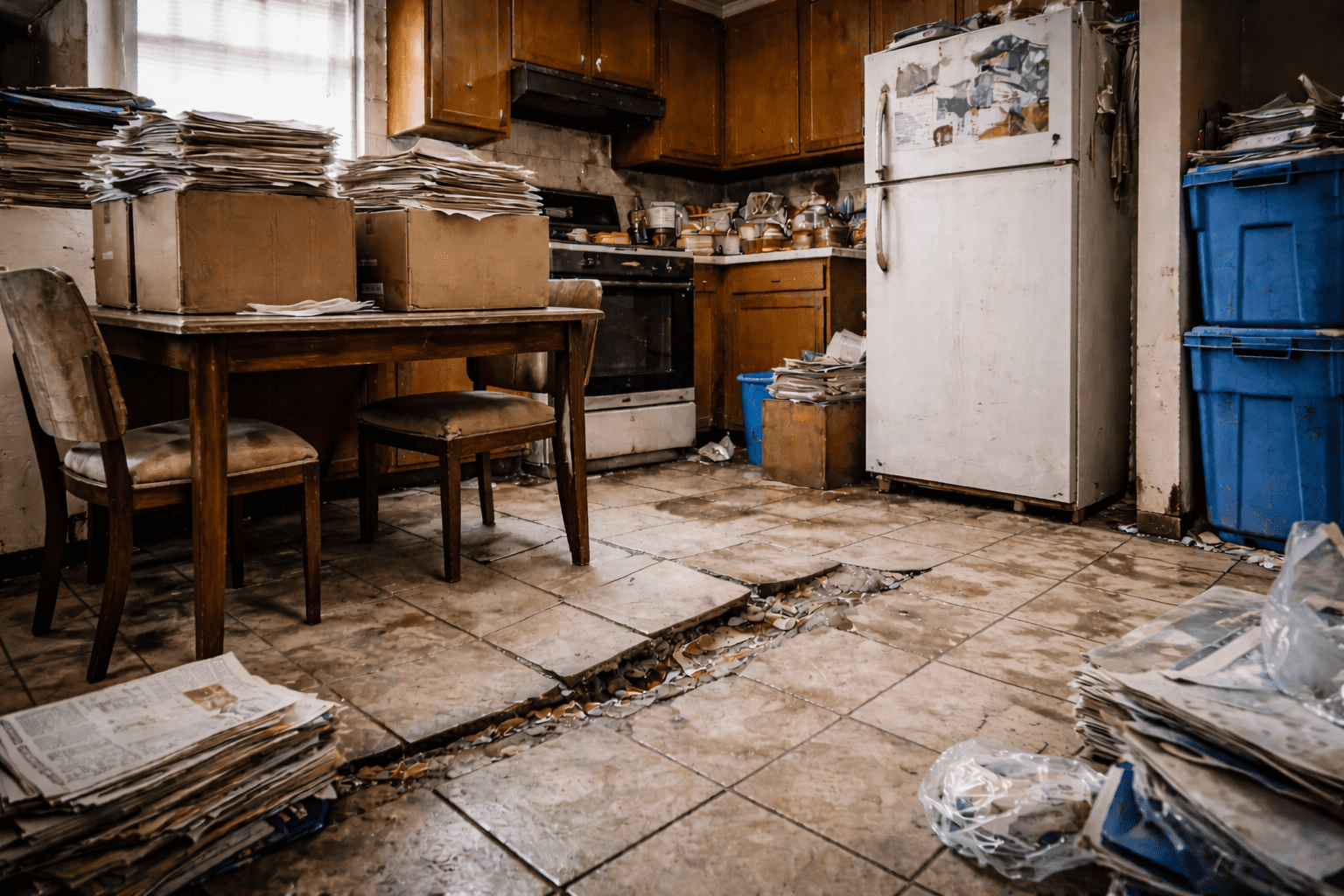
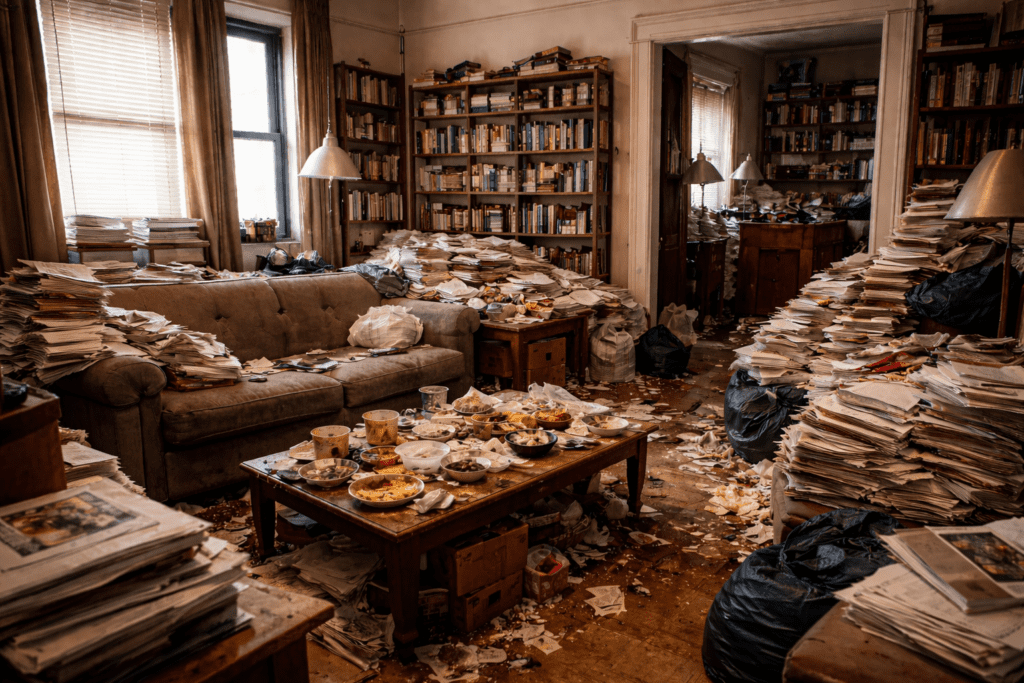
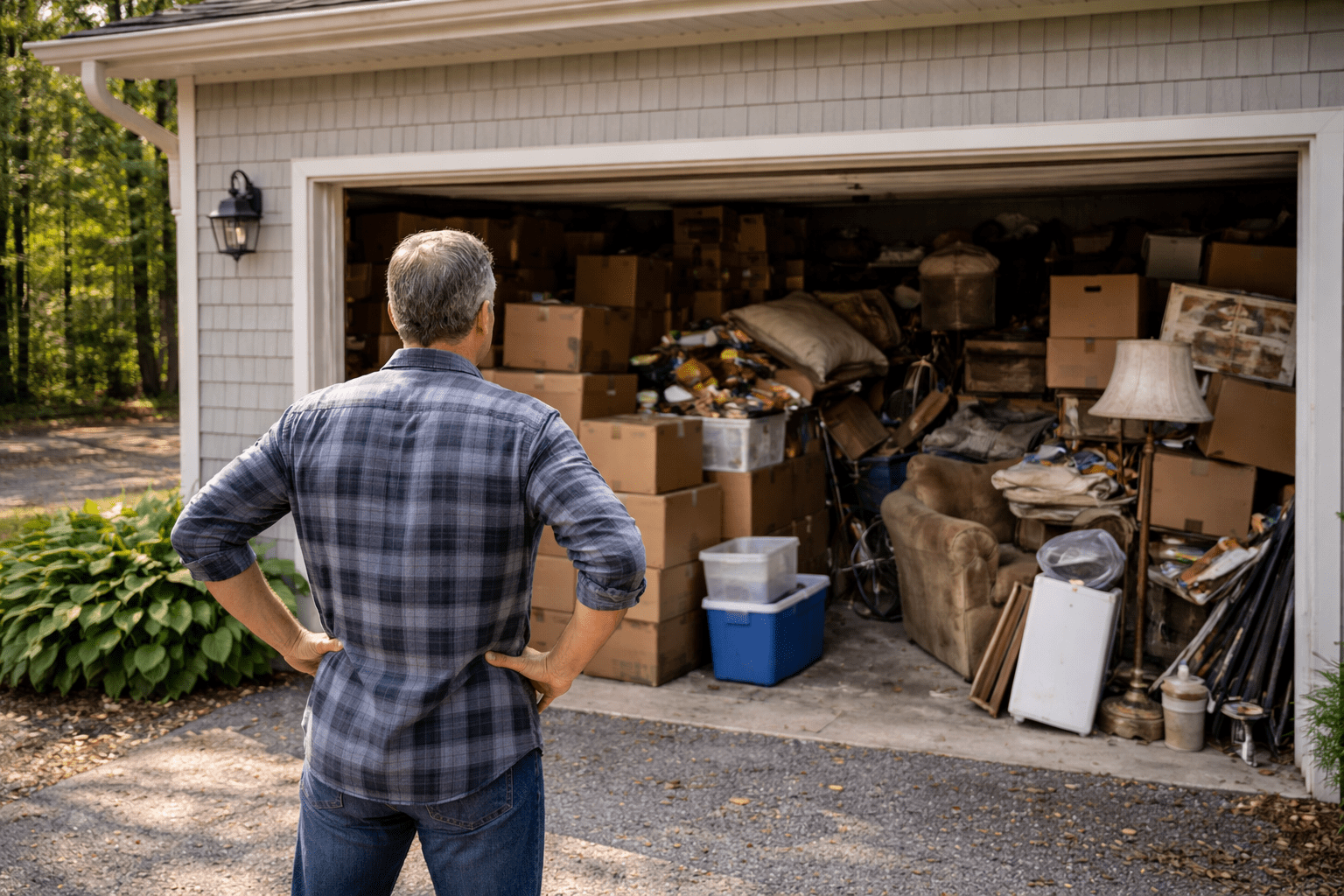
A hoarding property can look like a storage problem from the doorway. In reality, it may be a layered biological hazard environment where contamination has been trapped, compressed, and chemically altered over months or even years.
That is why professional hoarding cleanup is not just about removing debris. It is about determining what is hidden beneath it, how far contamination has spread, and whether the environment poses an active risk to occupants, workers, neighbors, or future property use.
In high-severity cases, forensic analysis becomes essential. Compacted clutter can conceal decomposing organic matter, animal remains, pest waste, microbial growth, and moisture-driven contamination that is no longer visible from the surface. Once buried under dense accumulation, these hazards can continue evolving unnoticed while damaging air quality, structural materials, and the safety profile of the entire property.
For Absolute BioRemediation, this is where hoarding cleanup becomes a scientific process, not a trash removal job.
Why This Topic Matters Now
Hoarding cleanup is increasingly intersecting with public-health concerns, landlord liability, environmental contamination, and property transfer risk. Families, estate representatives, landlords, municipalities, and property managers are facing more situations where a home or apartment cannot simply be “cleaned out” and reoccupied.
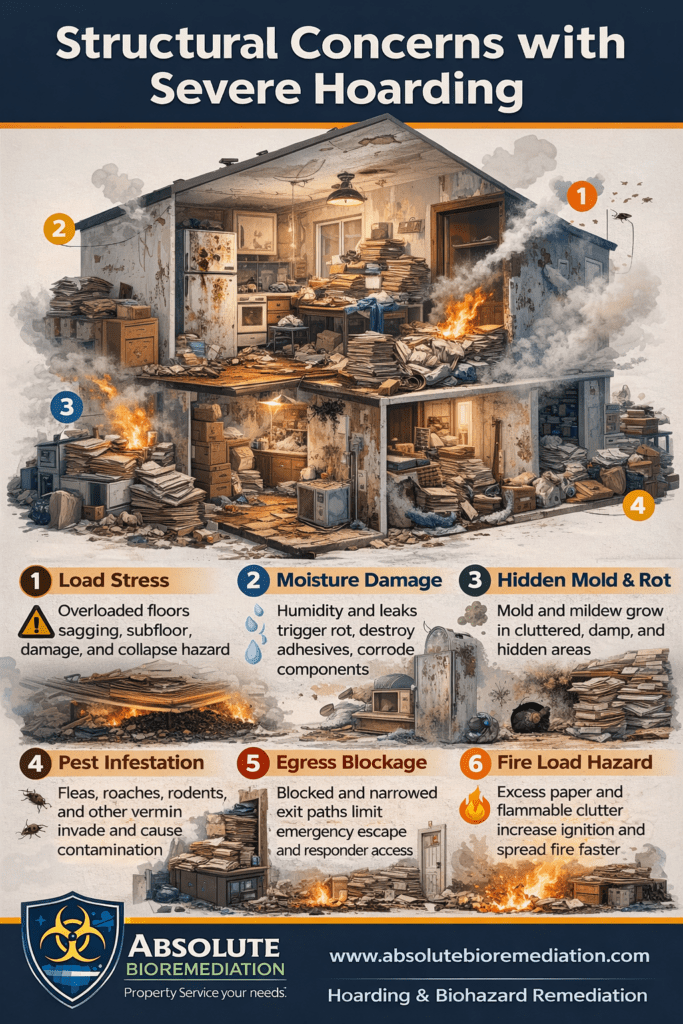
What makes the issue more urgent is that many hoarding environments are biologically active beneath the visible debris field. Once organic matter is buried in a low-airflow, moisture-retaining environment, decomposition and microbial activity can continue without obvious visual warning signs. By the time the property is opened up, contamination may already have spread into flooring systems, wall cavities, HVAC pathways, or adjacent contents.
That means delayed or superficial cleanup can create a much larger remediation problem later — one involving higher costs, more extensive demolition, deeper odor penetration, and greater legal exposure.
The Core Forensic Problem: Biohazards Can Be Buried for Years
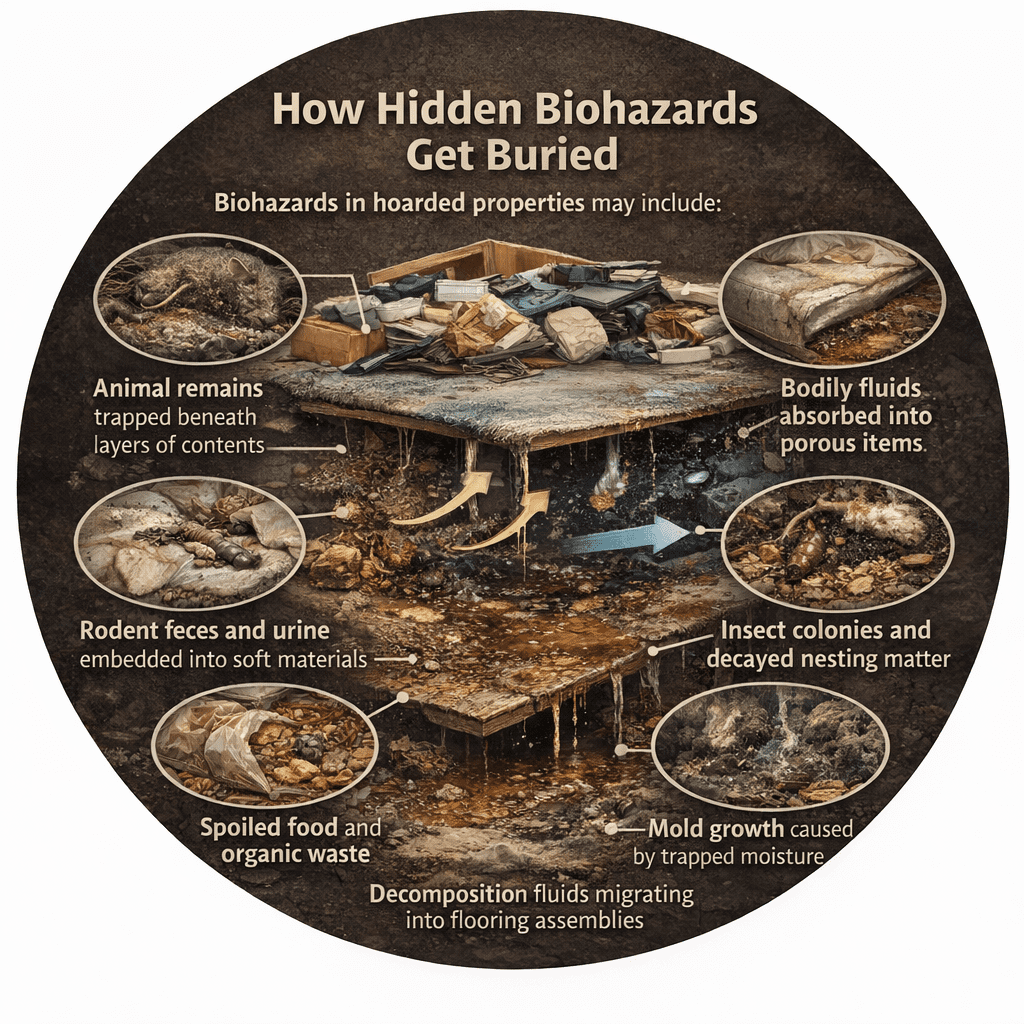
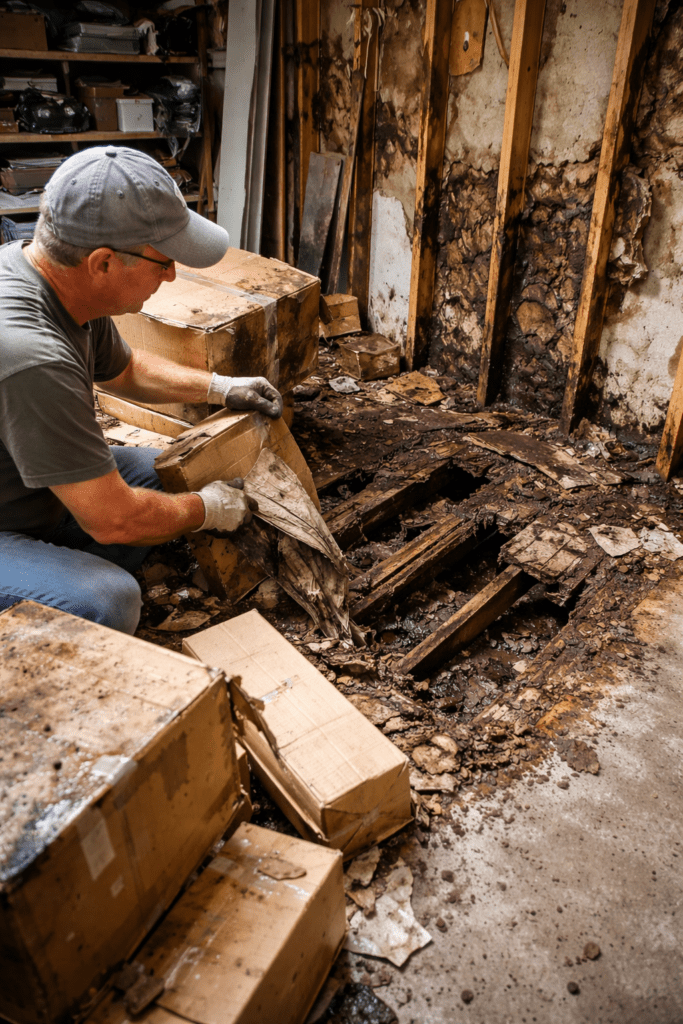
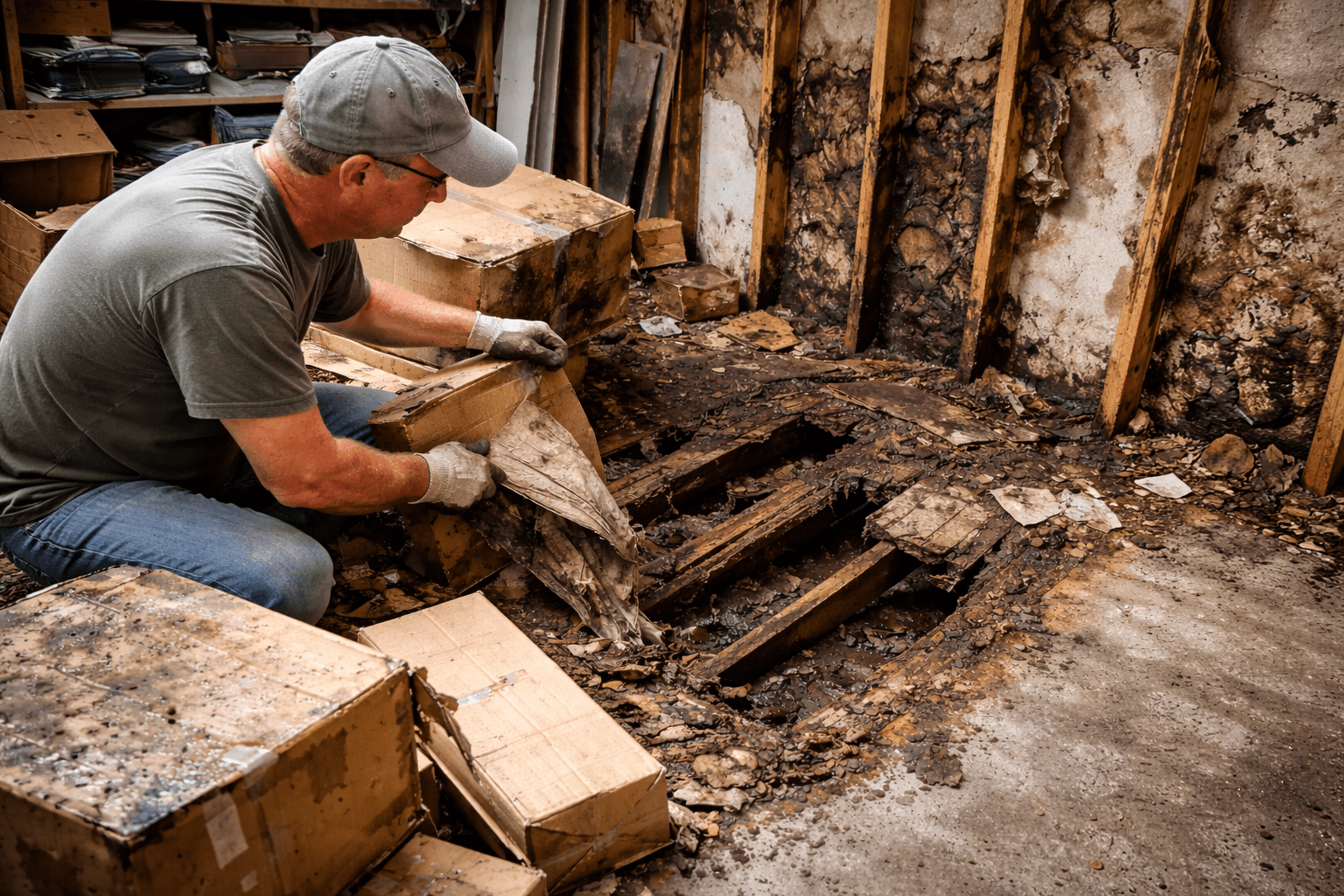
In a severe hoarding environment, debris does not sit lightly on a surface forever. It compresses under its own weight. Soft goods absorb liquids. Paper products trap humidity. Food waste breaks down. Pest activity introduces urine, feces, carcasses, and nesting material. Over time, the interior of the debris mass becomes a concealed environmental system of its own.
How hidden biohazards get buried
Biohazards in hoarded properties may include:
- animal remains trapped beneath layers of contents
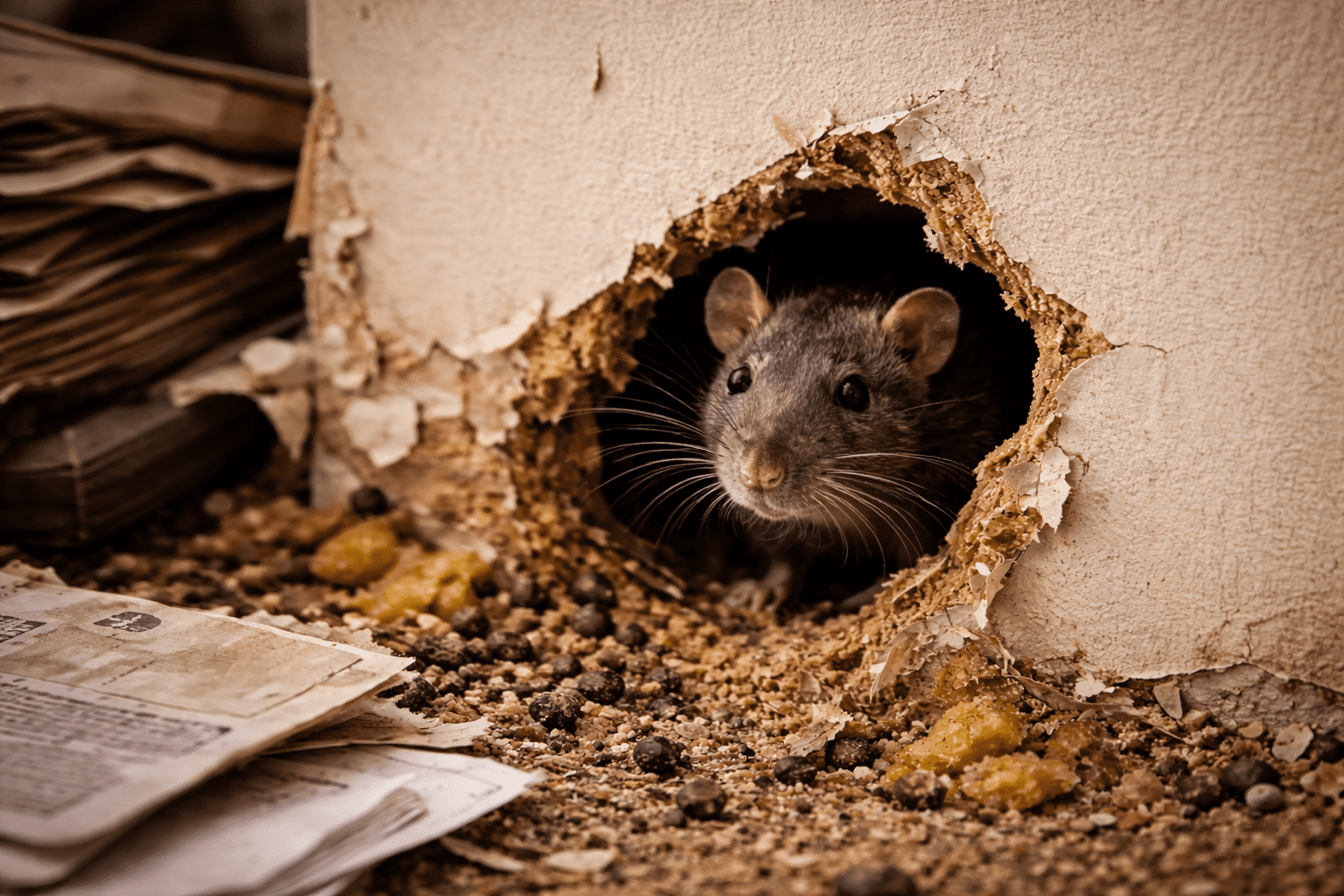
- rodent feces and urine embedded into soft materials
- spoiled food and organic waste
- bodily fluids absorbed into porous items
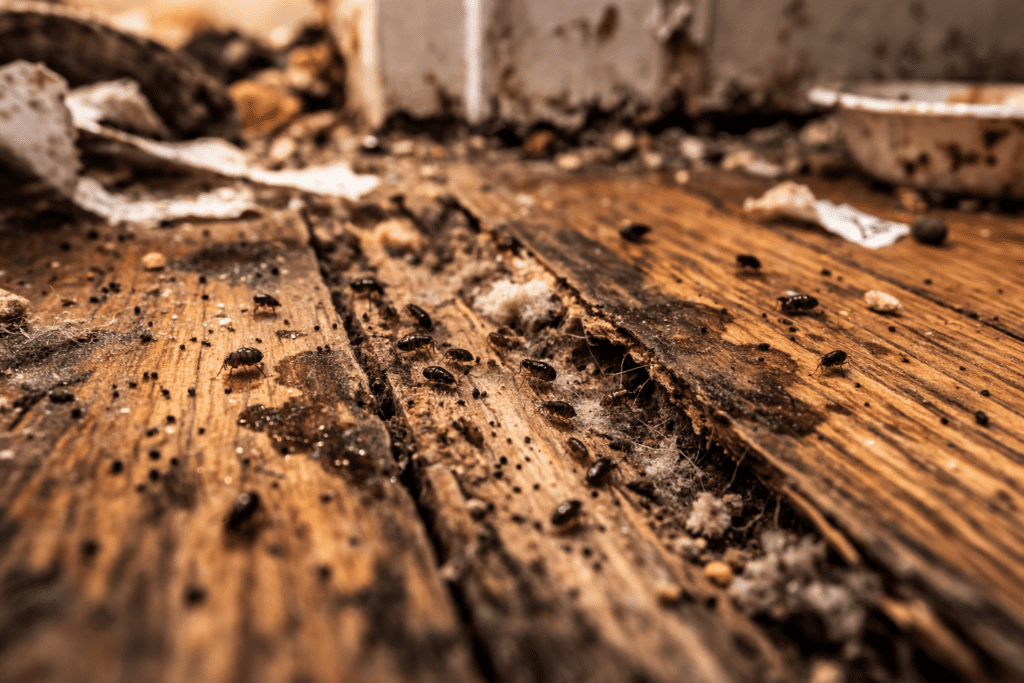
- insect colonies and decayed nesting matter
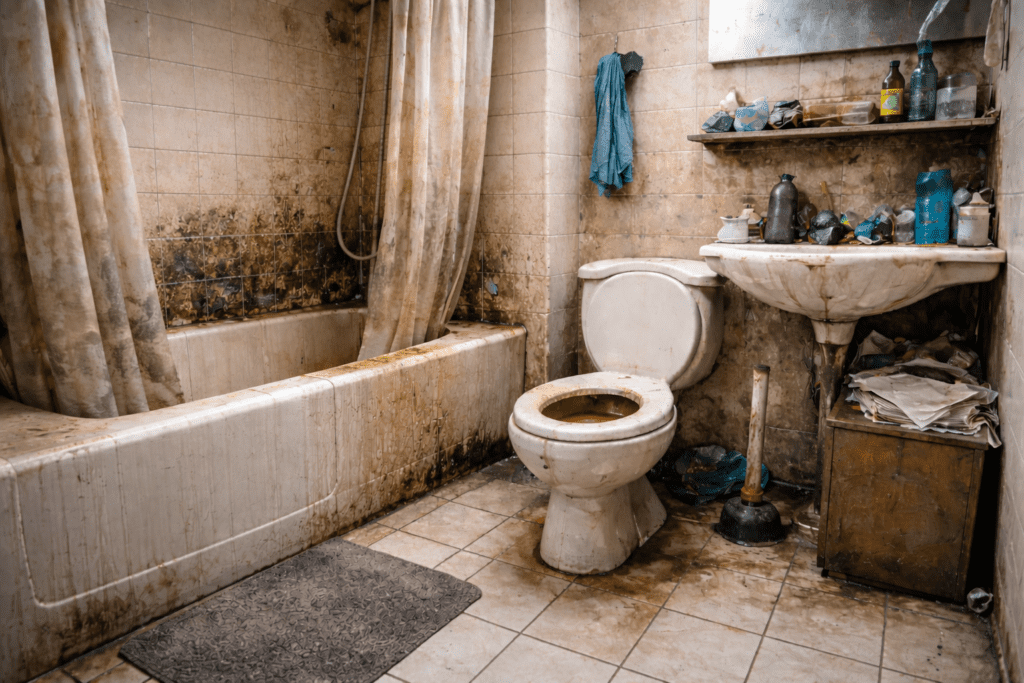
- mold growth caused by trapped moisture
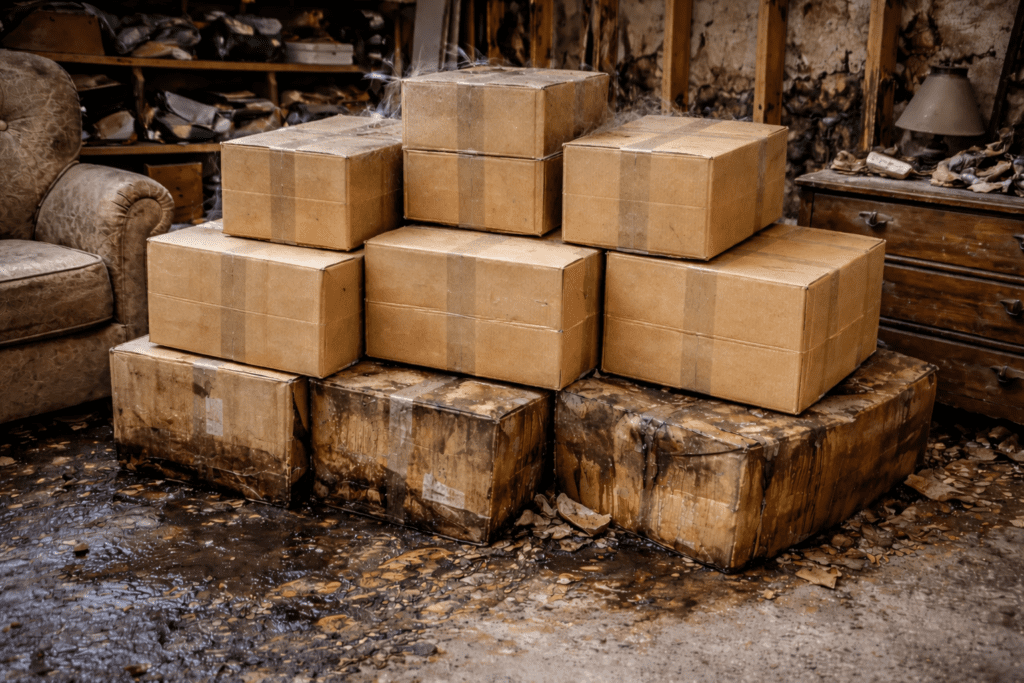
- decomposition fluids migrating into flooring assemblies
Once covered by repeated accumulation, these materials may remain undisturbed for years. The danger is not that they disappear. The danger is that they remain active but undetected.
A property can appear to have a clutter problem when it actually has a decomposition problem, microbial spread problem, and structural contamination problem underneath.
How Decomposition Can Occur Unseen in Hoarding Conditions
Decomposition does not need open visibility to continue. It only needs a source of organic material and the right environmental conditions.
Hoarding environments often create exactly those conditions:
- restricted airflow
- retained heat
- localized humidity
- darkness
- absorbent porous materials
- reduced disturbance over time
These conditions allow biological material to break down slowly, with microbial communities continuing to metabolize organic matter even when the source is completely hidden beneath the debris mass.
What unseen decomposition can lead to
As decomposition continues, it can produce:
- persistent odor compounds
- bacterial amplification
- fluid seepage into subfloor materials
- attraction of insects and rodents
- airborne particulate contamination during disturbance
- secondary mold growth where moisture accumulates
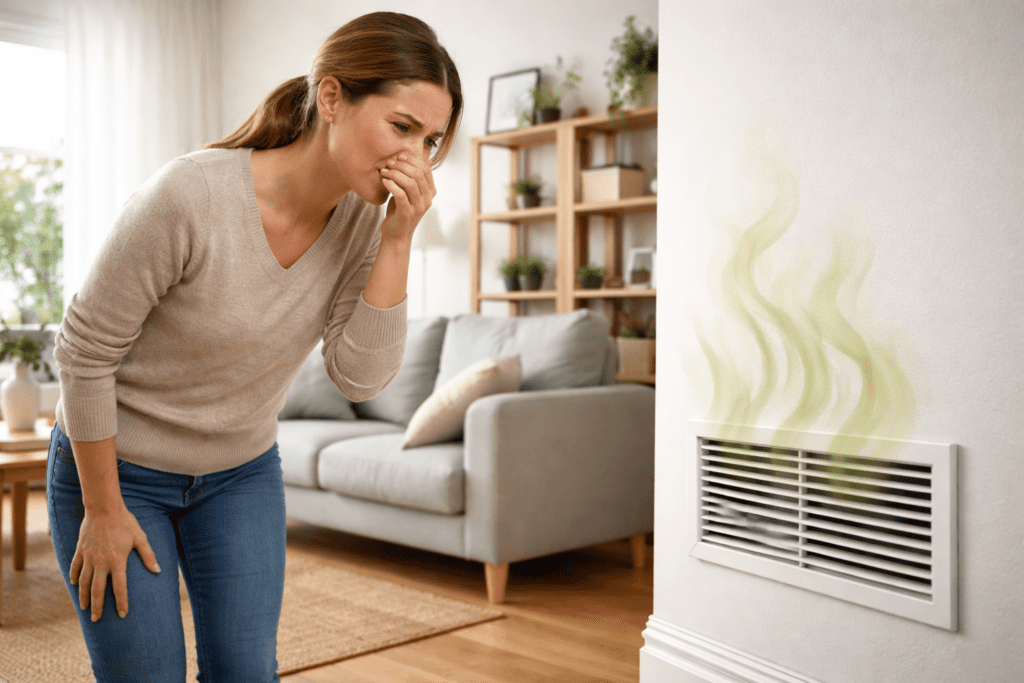
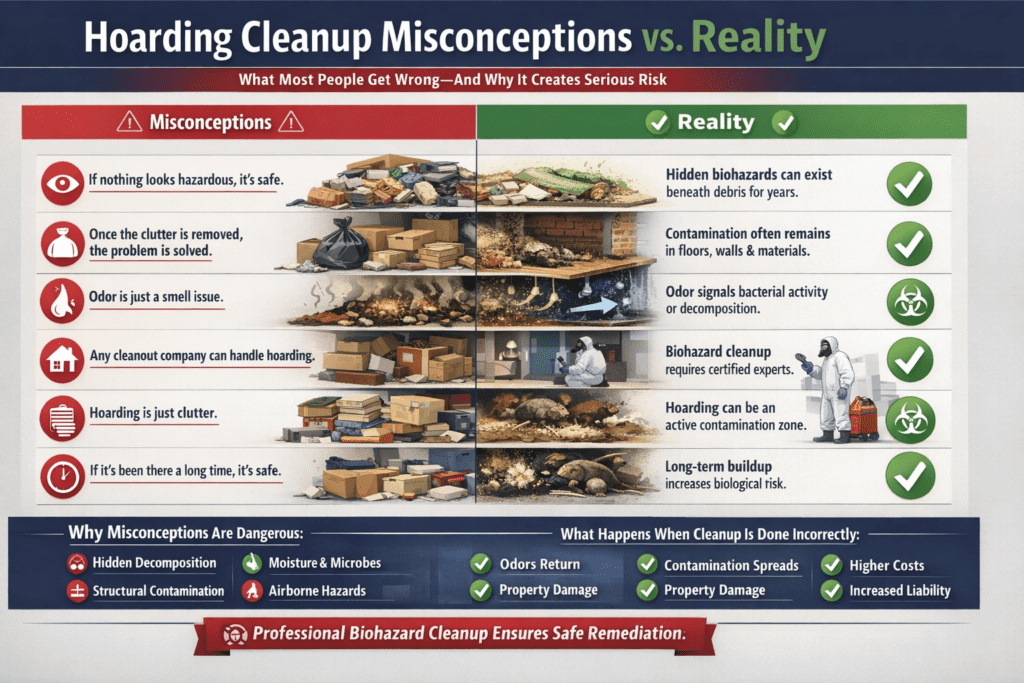
This is why odor alone should never be treated as a cosmetic issue in a hoarding environment. Persistent odor frequently indicates an active or historic biological source that requires controlled remediation, not fragrance or surface cleaning.
How Technicians Scientifically Identify Spread Levels
This is where elite-level remediation separates itself from ordinary cleanout work.
Forensic hoarding cleanup is methodical. The objective is not simply to remove volume. The objective is to determine:
- what the contamination source is
- how long it may have been active
- how far it has spread
- what materials can be salvaged
- what must be removed, treated, or isolated to restore the property to safe condition
1. Layer-by-layer contamination assessment
Technicians do not treat the property as one uniform mess. They assess:
- debris depth
- compaction severity
- moisture-retaining zones
- probable organic-load areas
- contamination pathways through foot traffic, pests, and fluid migration
This helps build a working map of likely spread zones before large-scale removal disturbs the environment.
2. Moisture detection and environmental pattern analysis
Moisture is one of the biggest clues in a hoarding investigation. Technicians identify:
- trapped humidity pockets
- damp floor sections
- seepage-prone materials
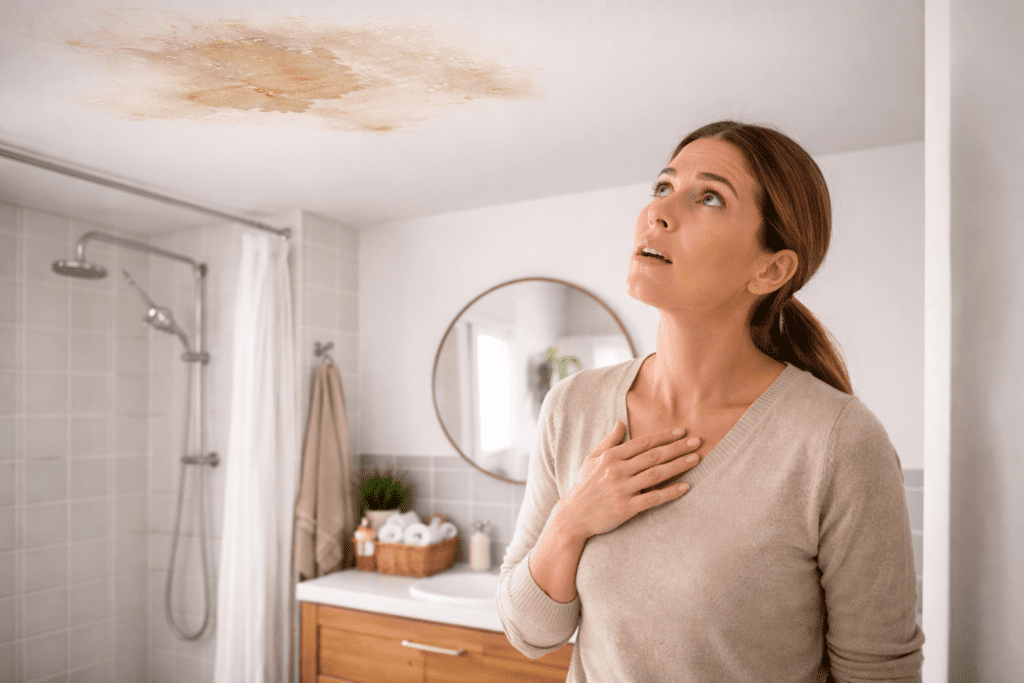
- mold-supporting zones
- water-damaged organic clusters
Because microbial activity is strongly linked to moisture retention, locating damp zones helps estimate where decomposition byproducts or biological amplification may be concentrated.
3. Odor pattern interpretation
Odor in remediation is not guesswork. It can provide directional clues about source location, severity, and material involvement.
Different odor profiles may suggest:
- animal decomposition
- food decay
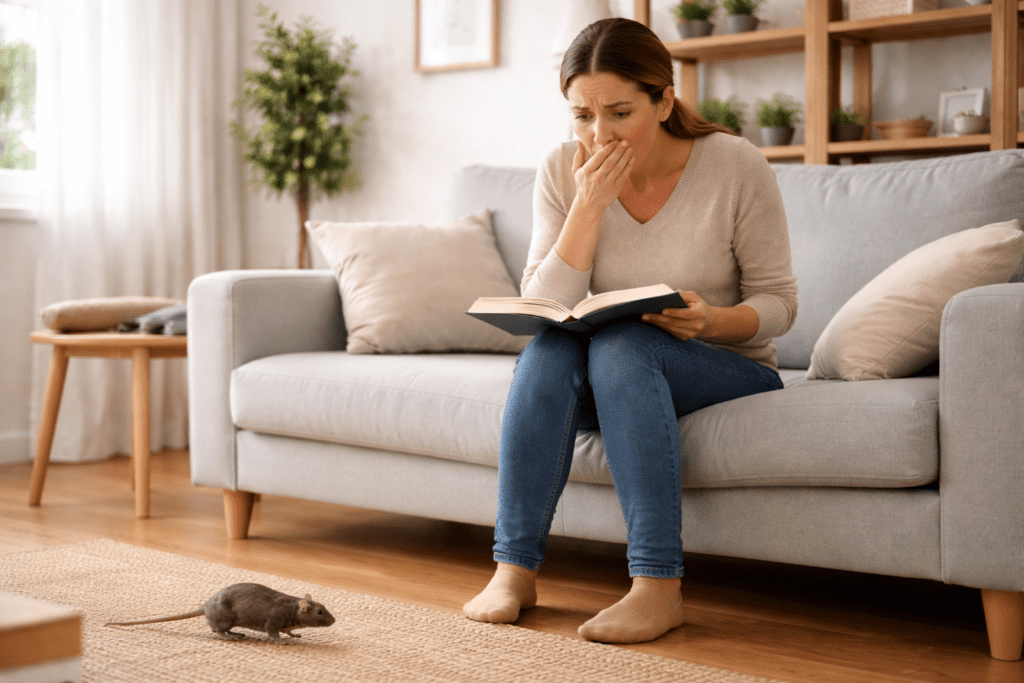
- rodent infestation
- mold activity
- sewage or waste contamination
- long-term bacterial saturation of porous materials
Odor does not replace testing or physical inspection, but it is an important part of contamination pattern recognition.
4. Material porosity and absorption analysis
Technicians assess what materials are present and how likely they are to hold contamination. Carpet, padding, paper, upholstery, particle board, insulation, and unfinished wood all behave differently when exposed to fluids, odors, and microbial load.
This analysis influences decisions about:
- removal vs. restoration
- containment setup
- odor treatment strategy
- structural remediation scope
5. Controlled exposure of hidden zones
The most dangerous mistake in hoarding cleanup is aggressive, uncontrolled disturbance. Proper technicians expose hidden layers in a controlled sequence while using PPE, containment, and cross-contamination protocols.
That matters because disturbing compacted contaminated debris can aerosolize particulates, spread microbial matter, and transfer contamination into previously unaffected areas.
What a “Simple Hoarding Cleanout” Can Actually Reveal
Imagine a landlord regains possession of a severely hoarded apartment after a tenant vacates. From the entrance, the problem appears to be extreme clutter and odor. The owner hires a low-cost cleanout crew expecting a fast haul-out and turnover.
Once debris removal starts, workers discover:
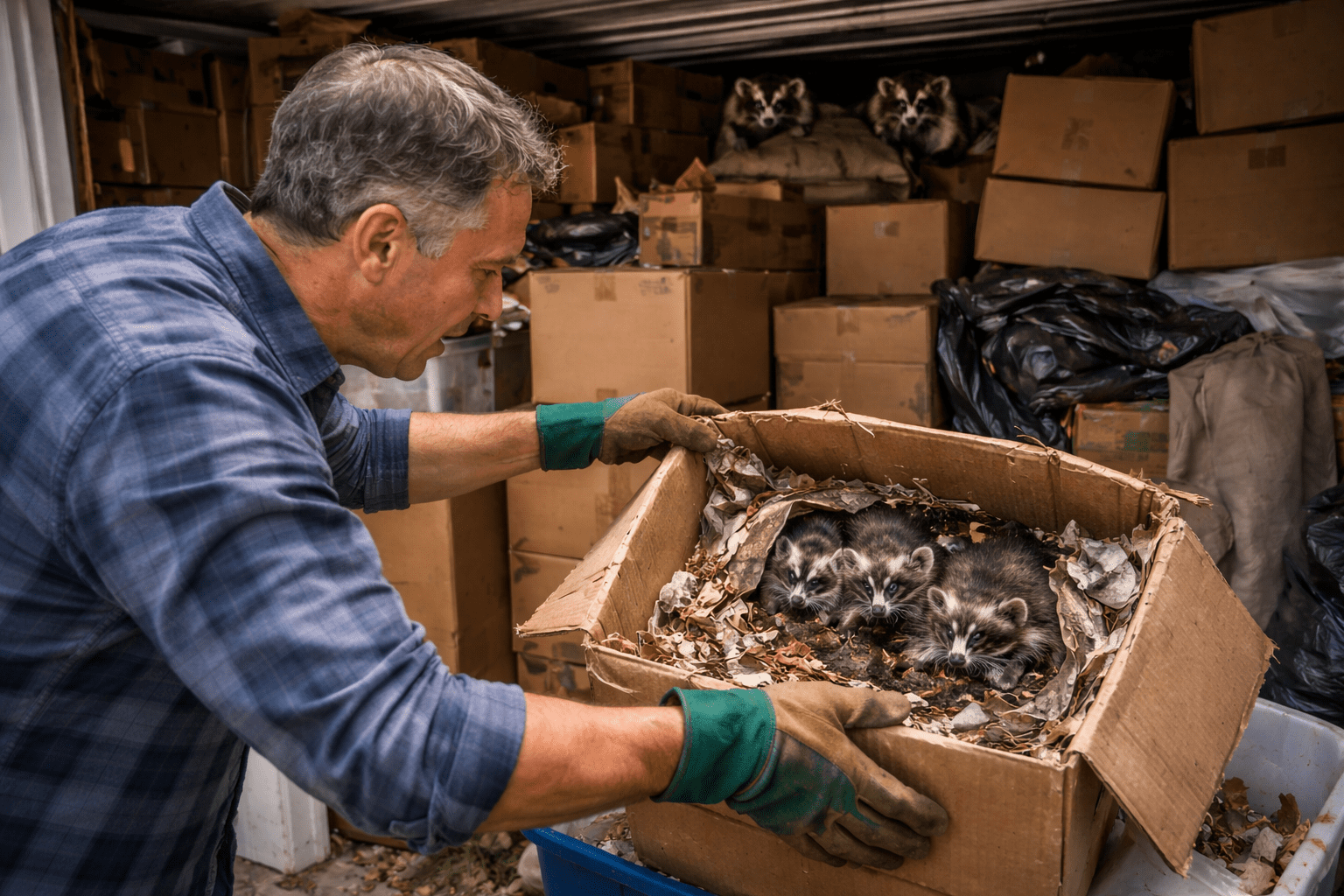
- rodent nesting deep in the contents
- decomposed food and biological residue under compacted bags
- urine saturation in flooring
- blackened microbial growth in blocked low-airflow corners
- odor penetration into wall bases and subfloor materials
At that point, it is no longer a cleanout project. It is a biohazard remediation event.
If that distinction is missed, the landlord risks incomplete cleanup, tenant complaints, property damage, delayed occupancy, and potential liability for unsafe conditions. If identified correctly from the start, the site can be stabilized, contained, remediated, and restored with a documented, defensible process.
Why Proper Analysis Changes Everything
Forensic analysis in hoarding cleanup is not academic. It directly affects:
- worker safety
- disposal classification
- remediation scope
- project duration
- odor elimination success
- restoration cost
- legal defensibility
- reoccupancy readiness
In other words, analysis determines whether the project is handled like a safe, compliant remediation job or a dangerous guessing game.
A property owner who skips this step often pays twice: once for the initial cleanout, and again when odors return, contamination is discovered later, or damaged materials continue failing after occupancy.
Why Professional Hoarding Biohazard Remediation Matters

A true biohazard remediation company approaches hoarding differently from a standard removal contractor.
Professional remediation includes:
- hazard recognition
- containment planning
- PPE compliance
- contamination mapping
- controlled removal sequencing
- regulated disposal practices
- structural impact assessment
- deodorization and restoration support
This is especially important where decomposition, pest waste, animal remains, bodily fluids, mold, or unknown organic contamination may be present.
Absolute BioRemediation’s value is not just in removing what is visible. It is in identifying what the property is actually dealing with, then remediating it in a way that protects public health, structural integrity, and future usability.
Why This Will Matter Even More Going Forward
Expect greater scrutiny around hoarding remediation in the years ahead.
As landlords, insurers, municipalities, and families become more aware of indoor environmental hazards, there will be increasing demand for:
- documented contamination assessment
- qualified biohazard handling
- safer disposal practices
- odor source verification
- liability-conscious remediation protocols
The old model of “clean it out and call it done” is becoming less defensible. Properties with hidden biological contamination require a more scientific standard — especially where health risk, vulnerable occupants, or legal exposure are involved.
That shift benefits companies with real remediation expertise and exposes operators who rely on speed without proper hazard control.
Conclusion: In Hoarding Cleanup, Hidden Risk Is the Real Risk
The most dangerous contamination in a hoarding property is often not what is visible on top. It is what has been compressed, concealed, and biologically active underneath for months or years.
That is why forensic analysis matters.
When technicians scientifically assess debris layers, moisture conditions, odor patterns, material absorption, and contamination spread, they can identify the true scope of the hazard and restore the property the right way. Without that process, cleanup may remove clutter while leaving behind the very contamination that makes the property unsafe.
For families, landlords, estates, and property managers, that difference is enormous. One approach creates the appearance of progress. The other creates an actually safer environment.
CTA
If you are facing a hoarding situation involving severe odor, contamination, pest activity, decomposition concerns, or unsafe living conditions, Absolute BioRemediation provides professional hoarding biohazard cleanup services in New York with the analytical, methodical approach these properties demand.
When the danger is buried beneath the debris, surface cleaning is not enough.
Contact Absolute BioRemediation for a proper assessment and safe, compliant remediation.
10 People Also Ask / FAQs
1. Can hoarding hide biohazards for years?
Yes. Compacted debris can conceal animal remains, waste, organic decay, and microbial contamination for long periods.
2. Is hoarding cleanup considered biohazard cleanup?
It can be, especially when decomposition, pest contamination, bodily fluids, or hazardous biological materials are present.
3. How do professionals identify hidden contamination in hoarded homes?
They use systematic inspection, moisture analysis, odor pattern interpretation, material assessment, and controlled debris exposure.
4. Can decomposition happen without being visible?
Yes. If organic material is buried beneath clutter, decomposition can continue in hidden low-airflow environments.
5. Why is odor important in hoarding cleanup?
Persistent odor often signals deeper contamination, bacterial activity, or decomposing material that requires remediation.
6. Is junk removal enough for severe hoarding situations?
No. Severe hoarding with contamination requires trained remediation, not just debris hauling.
7. What materials usually have to be removed in a contaminated hoarding cleanup?
Porous materials such as carpet, padding, paper goods, upholstery, and contaminated subfloor components are commonly affected.
8. Can contamination spread beyond the visible clutter?
Yes. Fluids, microbes, odor compounds, and pest-related contamination can spread into structural materials and adjacent areas.
9. Why is controlled removal important in hoarding cleanup?
Improper disturbance can spread contamination, aerosolize particulates, and worsen cross-contamination.
10. When should a property owner call a certified biohazard remediation company?
As soon as a hoarding site involves severe odor, pests, decomposition, waste contamination, or unknown biological risk.