Category: Blogging Biohazard

An assortment of posts on the various subjects surrounding biohazard cleaning needs, including crime scene cleaning, mold remediation, odor removal and unattended death cleaning.

  • Why Biohazard Remediation Isn’t Cleaning | Sanitation vs Decontamination

    Why Biohazard Remediation Isn’t Cleaning | Sanitation vs Decontamination

    Why Isn’t Biohazard Remediation Just “Cleaning”? What’s the Difference?

    Biohazard remediation is not ordinary cleaning because it targets pathogenic risk, not visible dirt. While cleaning removes debris, remediation uses scientifically validated processes—sanitation, disinfection, sterilization, and decontamination—to interrupt disease transmission, neutralize biological hazards, and meet regulatory health standards. These processes require specialized chemistry, dwell times, PPE, and verification protocols that go far beyond household or janitorial cleaning.


    When “Clean” Is a Dangerous Word

    In everyday language, clean sounds reassuring. Floors look shiny. Odors disappear. Surfaces feel dry. But in the world of biohazards—bloodborne pathogens, infectious waste, trauma scenes, sewage backups—looking clean can be profoundly misleading.

    Biohazard remediation exists because microorganisms do not care about appearances. They care about moisture, nutrients, surface structure, and time. And they exploit misunderstandings between sanitation, sterilization, and decontamination with microscopic enthusiasm.

    This article dismantles the myth that biohazard remediation is “just cleaning” and explains the science of microbial control, the chemistry behind professional agents, and why misuse of disinfectants can increase—not reduce—risk.


    What Is Biohazard Remediation, Scientifically Speaking?

    Biohazard remediation is a risk-reduction discipline, not a cosmetic service. Its goal is to:

    • Interrupt disease transmission pathways
    • Neutralize infectious agents (bacteria, viruses, fungi, spores)
    • Remove or stabilize biological material at a molecular level
    • Restore environments to health-based, not aesthetic, standards

    This work is governed by OSHA, EPA, CDC, and industry-specific regulations because failure doesn’t mean “still dirty”—it means ongoing exposure.

    Also Read 👉🏼What Is the Full Life-Cycle of a Professional Biohazard Cleanup?


    The Four Levels of Microbial Control (And Why Words Matter)

    1. Cleaning: Physical Removal Only

    Sanitation lowers microbial counts to levels deemed safe by public health standards.

    Cleaning is the first step, not the solution.

    • Uses detergents or surfactants
    • Removes visible soil and organic matter
    • Does not reliably kill microorganisms

    Cleaning reduces microbial load indirectly by washing organisms away—but many pathogens remain viable, especially when protected by biofilms or porous surfaces.

    Cleaning prepares a surface for disinfection; it does not complete remediation.


    2. Sanitation: Risk Reduction, Not Elimination


    Sanitation lowers microbial counts to levels deemed safe by public health standards.

    • Common in food service and hospitality
    • Reduces—but does not eliminate—pathogens
    • Targets general populations, not high-risk environments

    Sanitizers are insufficient for bloodborne pathogens, trauma scenes, or medical waste because “acceptable risk” in these environments is near zero.


    3. Disinfection: Killing Pathogens, Selectively

    Disinfection uses chemical agents to destroy many—but not all—microorganisms.

    • Effective against bacteria and viruses
    • Often ineffective against spores, protozoa, or biofilm-embedded organisms
    • Requires precise dwell time, concentration, and surface compatibility

    A surface wiped too quickly or diluted improperly may look disinfected while remaining biologically active.


    4. Sterilization: Total Microbial Destruction

    Sterilization eliminates all forms of life, including spores.

    • Uses extreme methods (heat, vaporized chemicals, radiation)
    • Typically reserved for medical instruments and labs
    • Not practical or safe for most built environments

    This is why decontamination, not sterilization, is the professional standard for biohazard remediation.


    Decontamination: The Gold Standard of Remediation

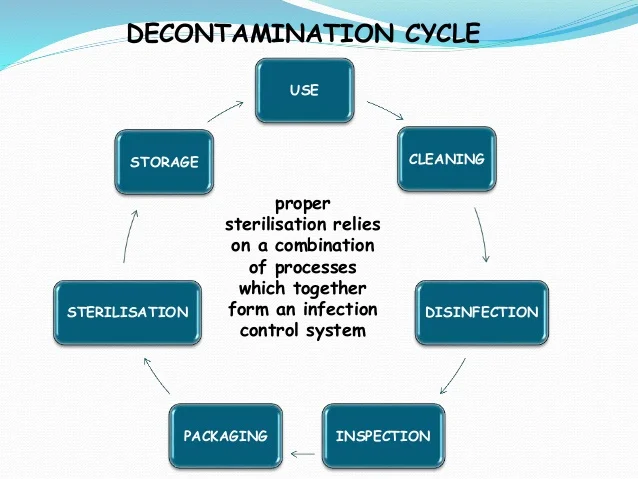
    Clean-Sanitize-Disinfect

    Decontamination combines:

    • Physical removal
    • Chemical neutralization
    • Biological breakdown
    • Verification testing

    Its objective is not theoretical sterility but functional safety—a space that no longer poses biological risk to occupants or workers.

    Also Read 👉🏼The Hidden Biohazards in Hoarding Environments | Pathogens, VOCs & Structural Risks Explained


    The Science Behind Disinfectants: More Than “Kills Germs”

    How Disinfectants Actually Work

    Disinfectants act by damaging critical microbial structures:

    • Cell membranes (quats, alcohols)
    • Proteins and enzymes (phenolics, oxidizers)
    • Genetic material (chlorine, chlorine dioxide)

    However, efficacy depends on:

    • Organic load present
    • Surface type (porous vs non-porous)
    • Contact time
    • Environmental conditions (pH, temperature)

    Using the wrong disinfectant—or using it incorrectly—can leave pathogens intact or create resistant survivors.


    Sporicides: Why Spores Change Everything

    Bacterial spores (e.g., Clostridioides difficile, Bacillus anthracis) are microbial survival capsules.

    • Resistant to heat, drying, and many disinfectants
    • Can persist for years on surfaces
    • Require sporicidal chemistry to neutralize

    Chlorine dioxide and hydrogen peroxide-based systems are commonly used because they disrupt spore coats at a molecular level—something standard disinfectants cannot achieve.


    Enzyme Cleaners: Biology Fighting Biology

    Enzyme cleaners do not “kill” pathogens directly. Instead, they:

    • Break down proteins, fats, and carbohydrates
    • Destroy biofilms that protect microbes
    • Remove nutrient sources that allow regrowth

    In biohazard remediation, enzymes are often used before or alongside disinfectants to expose hidden microbial reservoirs.

    Think of enzymes as dismantling the fortress, and disinfectants as neutralizing the enemy.


    Why DIY Disinfection Often Fails

    Common mistakes include:

    • Applying disinfectants to dirty surfaces
    • Ignoring dwell times
    • Mixing incompatible chemicals
    • Using consumer-grade products for industrial risks

    These errors don’t just reduce effectiveness—they can aerosolize pathogens, spread contamination, or create toxic byproducts.

    Biohazard remediation protocols exist because chemistry is unforgiving.


    Verification: The Step Most People Skip

    Professional remediation includes:

    • ATP testing
    • Microbial sampling
    • Visual and odor assessments
    • Documentation for liability and compliance

    If results aren’t measured, safety is assumed—and assumptions are where outbreaks begin.


    Conclusion: Words Shape Safety

    Calling biohazard remediation “cleaning” is not just inaccurate—it’s dangerous. Each level of microbial control exists for a reason, and skipping steps collapses the entire safety system.

    True remediation respects biology, chemistry, and physics equally. It recognizes that microorganisms are ancient, adaptable, and indifferent to human convenience.

    Clean is a look.
    Remediated is a state.

    And only one of those protects human health.

    FAQs: Biohazard Remediation vs Cleaning

    1. What is the main difference between biohazard remediation and regular cleaning?
      Biohazard remediation focuses on eliminating biological health risks using regulated processes, while regular cleaning only removes visible dirt and debris.

    2. Why isn’t disinfecting enough for biohazard cleanup?
      Disinfection does not reliably destroy spores, biofilms, or all pathogens, which can continue to pose health risks after treatment.

    3. What types of environments require biohazard remediation?
      Trauma scenes, sewage backups, infectious disease exposures, hoarding environments, and medical or industrial biohazard incidents require remediation.

    4. How do enzyme cleaners help in biohazard remediation?
      Enzyme cleaners break down organic material and biofilms, removing nutrient sources that allow pathogens to survive and multiply.

    5. What are sporicidal disinfectants used for?
      Sporicidal disinfectants are designed to neutralize bacterial spores that resist standard disinfectants and persist on surfaces for long periods.

    6. Is biohazard remediation regulated by law?
      Yes. OSHA, EPA, CDC, and state health agencies regulate biohazard remediation to protect workers and occupants from exposure.

    7. Can biohazard contamination spread if cleaned incorrectly?
      Yes. Improper cleaning can aerosolize pathogens, spread contamination, or leave active biological material behind.

    8. Why is dwell time important when using disinfectants?
      Disinfectants must remain on surfaces for a specific period to effectively disrupt microbial structures and neutralize pathogens.

    9. Does biohazard remediation guarantee sterilization?
      No. The goal is decontamination—reducing biological risk to safe levels—not complete sterilization, which is impractical in most environments.

    10. How is successful biohazard remediation verified?
      Verification is done through visual inspection, testing methods such as ATP or microbial sampling, and documented compliance procedures.


  • What Is the Full Life-Cycle of a Professional Biohazard Cleanup?

    What Is the Full Life-Cycle of a Professional Biohazard Cleanup?

    Authority & Context

    This article is written for New York State property owners, landlords, insurers, attorneys, municipalities, healthcare administrators, and facility managers who require medically defensible, regulator-aligned biohazard remediation. It reflects current OSHA, EPA, CDC, and New York State guidance and describes professional biohazard remediation standards—not consumer or janitorial cleaning practices.

    Biohazard remediation exists at the intersection of public health, environmental regulation, and legal liability. In New York, improper handling of biological contamination can trigger insurance denials, code violations, tenant disputes, and long-term health exposure claims. This article outlines the professional framework designed to prevent those outcomes.


    Biohazard Cleanup as a Regulated Risk-Management Process

    Professional biohazard cleanup is a closed-loop risk-management system. Biological contamination spreads invisibly, persists within porous materials, and creates predictable health and legal consequences when mishandled. Each phase of the cleanup life-cycle exists to control a specific risk. Skipping any phase reliably produces downstream failure.

    Unlike cosmetic cleaning, biohazard remediation is governed by overlapping standards: OSHA bloodborne pathogen rules, EPA waste handling requirements, CDC infection control guidance, and New York State environmental and labor regulations. The life-cycle approach ensures no single risk—biological, structural, or legal—is left unmanaged.

    Also Read 👉🏼The Biology of Biohazards: Pathogens, Decomposition Science & Scene Contamination | Absolute Biohazard Remediation


    Initial Call and Information Triage

    During the initial call, trained responders gather critical information about the incident type, time since exposure, presence of bodily fluids, odors, pests, structural damage, and whether any cleanup has already been attempted.

    The initial call establishes hazard classification, safety controls, and legal handling before site entry.

    The life-cycle begins with the first call. Trained responders collect critical information including incident type, time since exposure, presence of blood or bodily fluids, decomposition indicators, odors, insect or rodent activity, structural damage, and whether cleanup was attempted.

    In New York, this information also determines whether additional reporting obligations exist and what waste streams may be involved. Improper classification at this stage can result in technicians arriving under-protected or with insufficient containment equipment, increasing exposure risk and liability from the outset.


    Site Assessment and Hazard Mapping

    On-site assessment identifies visible and hidden contamination pathways that must be addressed to prevent re-exposure.

    Upon arrival, technicians perform a structured assessment that includes visual inspection, moisture detection, evaluation of porous materials, airflow analysis, and identification of secondary contamination pathways such as HVAC systems, wall cavities, subflooring, and drainage routes.

    In New York’s older housing stock—brownstones, pre-war apartments, multi-unit residences—contamination often migrates beyond visible areas. Shared ventilation systems and aging materials allow biological matter to travel unpredictably, making hazard mapping essential for complete remediation and legal defensibility.

    Also Read 👉🏼Hoarding Cleanup FAQs | Expert Answers from New York’s Leading Biohazard Remediation Specialists


    Containment and Engineering Controls

    Containment prevents airborne pathogens from spreading during remediation activities.

    Before removal begins, containment systems are installed. These may include physical barriers, sealed doorways, negative air pressure, and HEPA air filtration.

    This phase aligns with infection-control principles used in hospitals and laboratories. Without containment, cleanup activities can aerosolize pathogens, spreading contamination into unaffected areas, neighboring apartments, or shared building systems—an especially serious risk in New York’s dense residential environments.


    Gross Removal of Contaminated Materials

    Materials that cannot be safely decontaminated are removed. This includes carpeting, padding, drywall, furniture, and personal belongings saturated with biological matter.

    Porous materials saturated with biological matter must be removed rather than cleaned.

    Materials such as carpeting, padding, drywall, furniture, mattresses, and personal belongings that cannot be reliably disinfected are removed. Porous materials absorb biological matter at a cellular level and cannot be safely restored.

    In New York, improper disposal of biohazardous materials can result in regulatory penalties and civil liability. All materials are packaged, labeled, transported, and disposed of through licensed medical waste channels in compliance with state and federal law.

    Also Read 👉🏼Levels of Hoarding: Understanding Risk, Biohazard Severity & Professional Remediation Strategies in New York


    Detailed Cleaning and Biological Deactivation

    Microscopic pathogens are neutralized using medical-grade disinfectants with verified dwell times.

    After gross removal, remaining surfaces are cleaned and disinfected. Enzyme cleaners break down organic matter, while EPA-registered disinfectants neutralize bacteria, viruses, and other pathogens.

    Strict dwell times are required to achieve documented kill rates. Rushed or improper application—common in non-professional cleanup—leaves viable pathogens behind and creates false confidence in surface cleanliness.


    Odor Neutralization and Air Quality Control

    Odors are eliminated at the molecular level, not masked.

    Biological events release volatile organic compounds that persist long after visible cleanup. Masking agents and fragrances do not solve the problem and often indicate incomplete remediation.

    Professional remediation uses hydroxyl generation, controlled ozone application when appropriate, and advanced filtration to neutralize odor-causing compounds. Air quality monitoring ensures these methods resolve odors without introducing secondary respiratory risks.

    Also Read 👉🏼Odor Removal and Remediation After an Unattended Death


    Structural Decontamination and Restoration Preparation

    Hidden contamination is addressed through subfloor treatment, encapsulation of affected framing, HVAC cleaning, and antimicrobial coatings where appropriate.

    Hidden contamination is sealed or removed to prevent future exposure.

    This phase may include subfloor treatment, encapsulation of affected framing, HVAC cleaning, and antimicrobial coatings in high-risk zones.

    In New York properties, this step is critical for landlord compliance, insurance acceptance, and future occupancy. Failure to address hidden contamination can result in recurring odors, tenant complaints, and post-remediation liability claims.


    Final Clearance Testing and Verification

    Objective testing confirms the environment is safe for human occupancy.

    Professional remediation is incomplete without verification. Clearance may include ATP testing, surface sampling, air sampling, or third-party industrial hygiene clearance.

    Clearance documentation protects property owners, landlords, insurers, and future occupants by providing objective proof that remediation met professional standards.


    New York State Service Context

    New York’s density, building stock, and regulations increase remediation complexity.

    Absolute BioHazard Remediation serves New York City, Long Island, Westchester County, the Hudson Valley, and surrounding regions. Older construction, shared ventilation systems, and strict regulatory oversight make professional remediation essential throughout the state.

    All work aligns with OSHA, EPA, CDC, and applicable New York State regulations, ensuring both health safety and legal compliance.


    Conclusion: Why the Full Life-Cycle Matters

    The full life-cycle protects health, property, and liability—and only licensed New York professionals can execute it correctly.

    Biohazard cleanup is not cosmetic cleaning; it is regulated risk management. Skipping steps or relying on visual cleanliness leaves behind invisible hazards with long-term health, legal, and financial consequences. That is why professional credentials, licensing, and documented processes matter as much as the cleanup itself.

    Absolute BioHazard Remediation operates within the full, regulated life-cycle outlined above and holds the appropriate licenses and authorizations required to perform biohazard remediation work throughout New York State. Their technicians are trained to comply with OSHA bloodborne pathogen standards, EPA waste-handling requirements, CDC infection-control guidance, and applicable New York State and local regulations governing environmental safety and labor practices.

    This professional foundation ensures that every job—from a single-family home to a multi-unit residential building or commercial property—is handled with medically defensible procedures, lawful waste disposal, and verifiable clearance testing. Property owners, landlords, insurers, and municipalities can rely on the documentation, chain-of-custody records, and objective verification that follow each completed project.

    As New York State’s leading biohazard remediation providers, Absolute BioHazard Remediation is trusted because they do not cut corners, rush processes, or rely on cosmetic results. They follow the full life-cycle every time—protecting occupants, preserving property value, and reducing liability exposure.

    When a biohazard situation occurs, choosing a licensed, experienced, New York–based professional is not optional. It is the difference between temporary cleanup and responsible remediation. Absolute BioHazard Remediation exists to ensure that difference is done right.


    FAQ: Biohazard Cleanup in New York

    Absolute BioHazard Remediation provides professional biohazard cleanup services throughout New York State, including New York City, Long Island, Westchester County, the Hudson Valley, and major upstate regions.

    1. How long does a full biohazard cleanup take in New York?
    Most professional biohazard cleanups take one to five days, depending on contamination extent, building type, and clearance requirements.

    2. Why is professional biohazard cleanup important in NYC apartments?
    Shared walls, ventilation systems, and older building materials increase the risk of hidden contamination spreading beyond visible areas.

    3. Is clearance testing required in New York State?
    While not always legally mandated, clearance testing is considered best practice and is often required by insurers, landlords, or property managers.

    4. Can biohazard odors return after cleanup?
    Odors do not return when remediation includes molecular odor neutralization and proper clearance verification.

    5. How is biohazard waste disposed of in New York?
    Contaminated materials are packaged, labeled, transported, and disposed of through licensed medical waste facilities in compliance with New York regulations.

    6. Should occupants stay in the property during cleanup?
    No. Properties should remain unoccupied until clearance testing confirms the environment is safe.

    7. Are biohazard cleanups covered by insurance in New York?
    Many trauma and unattended death cleanups are covered by insurance, provided professional remediation and documentation are used.

    8. How do technicians comply with New York safety laws?
    Through OSHA-compliant training, proper PPE, engineered containment systems, and regulated waste handling procedures.

    9. What makes biohazard cleanup more complex in New York State?
    High population density, shared infrastructure, older buildings, and strict regulatory oversight increase remediation complexity.

    10. How can I verify that a cleanup was done correctly?
    Request documentation, waste manifests, and clearance results from a certified biohazard remediation provider.


  • Levels of Hoarding: Understanding Risk, Biohazard Severity & Professional Remediation Strategies in New York

    Levels of Hoarding: Understanding Risk, Biohazard Severity & Professional Remediation Strategies in New York

    Levels of Hoarding: A Comprehensive Guide to Assessing Risk, Biohazard Severity, and Required Remediation Strategy

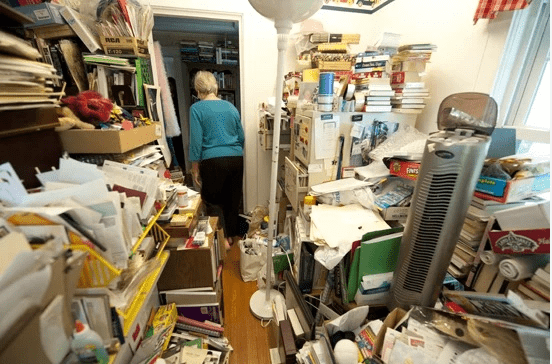
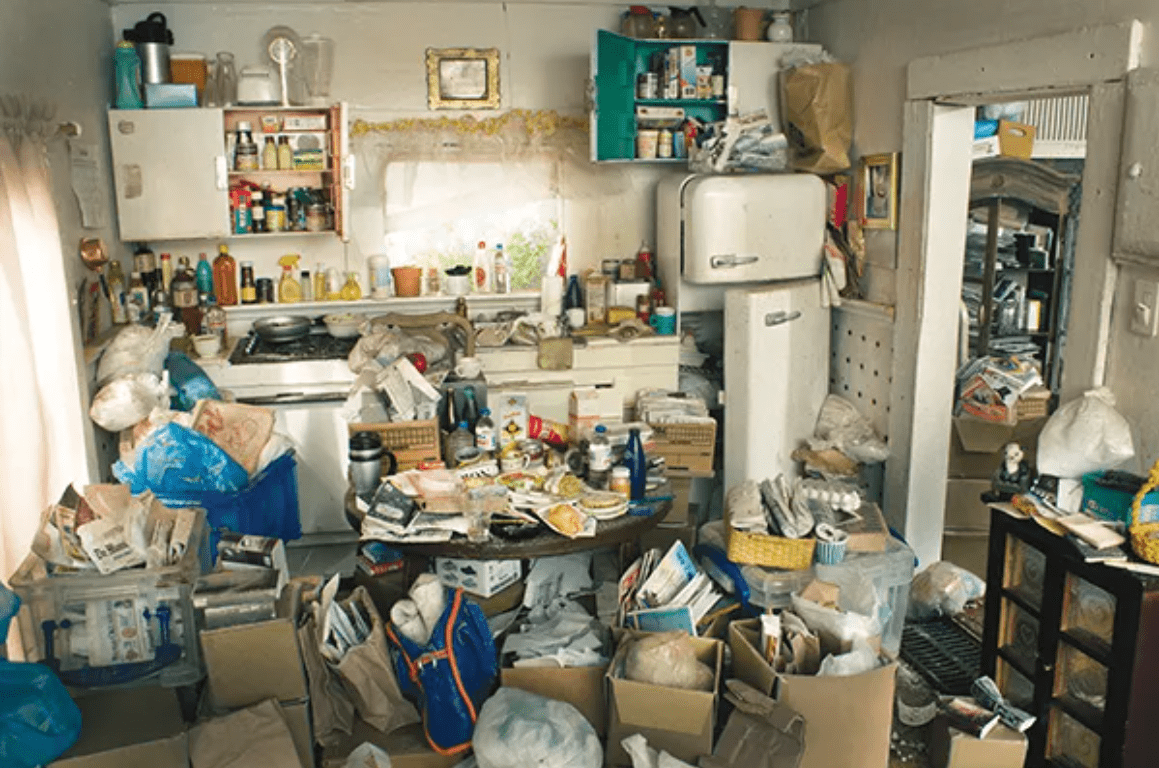
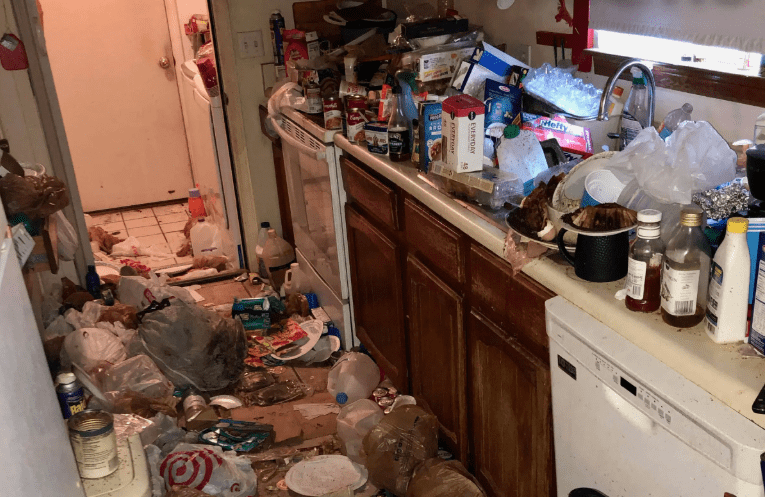
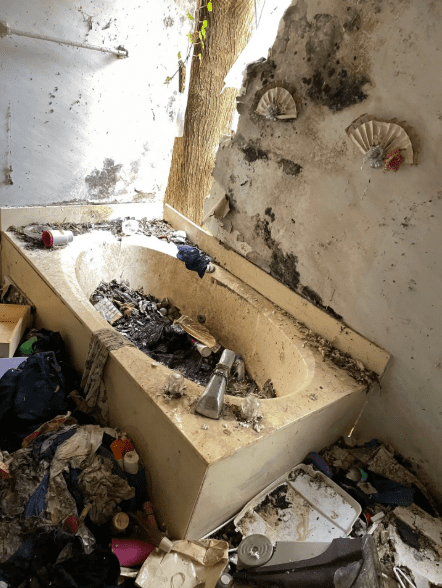
    Hoarding is not a single condition — it exists on a spectrum of severity, each level presenting its own set of risks, contaminants, and remediation requirements. Understanding these levels is essential for families, property owners, managers, and professionals in New York who must determine the safest and most effective course of action.

    Unlike general cleaning or junk removal, hoarding remediation requires the expertise of trained professionals who understand biohazards, structural risks, microbial contamination, pest activity, environmental conditions, and New York compliance standards. Each level of hoarding brings progressively greater danger — not just to occupants, but to neighboring apartments and the structural integrity of the building.

    This guide breaks down the five recognized levels of hoarding, the hazards associated with each, and the remediation strategies Absolute Biohazard Remediation applies as one of New York’s leading biohazard firms.


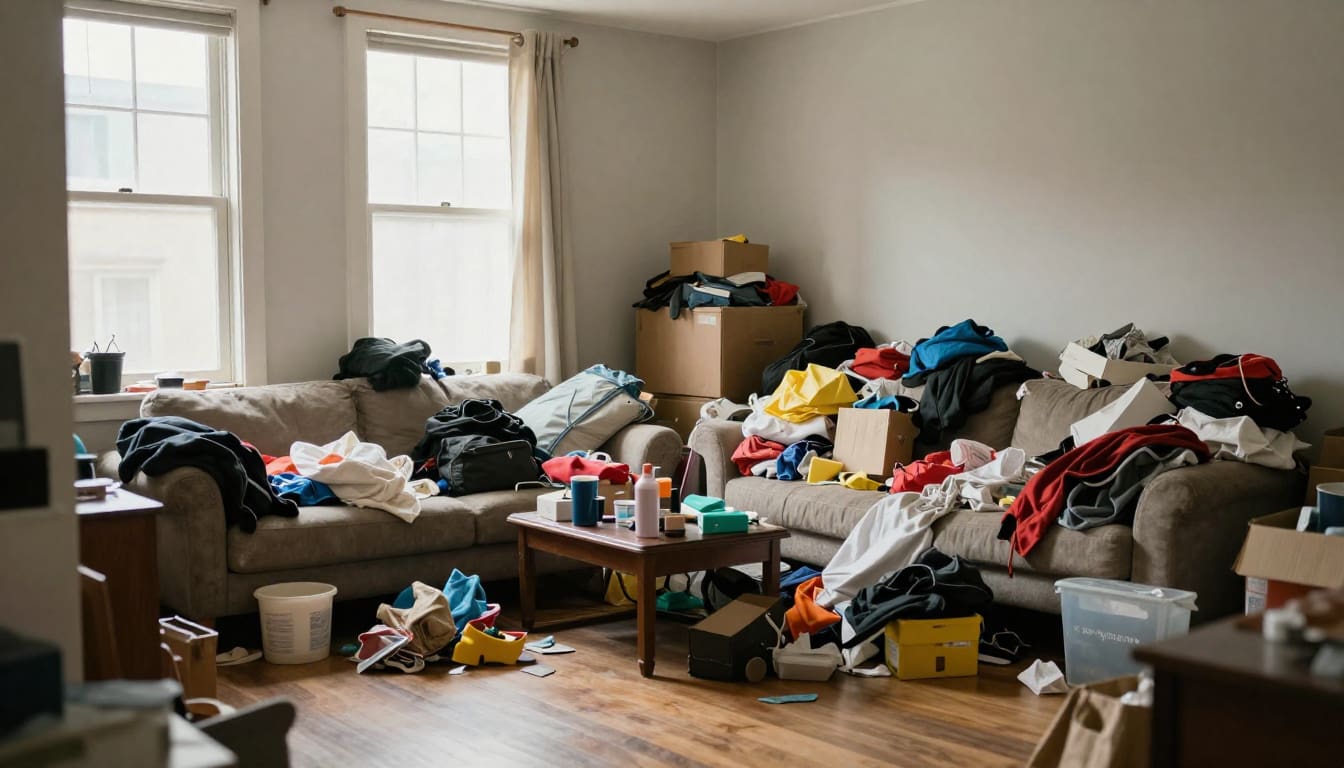
    mild clutter with accessible pathwaysLevel 1 Hoarding — Early-Stage Clutter with Limited Biohazard Exposure

    Level 1 hoarding is characterized by:

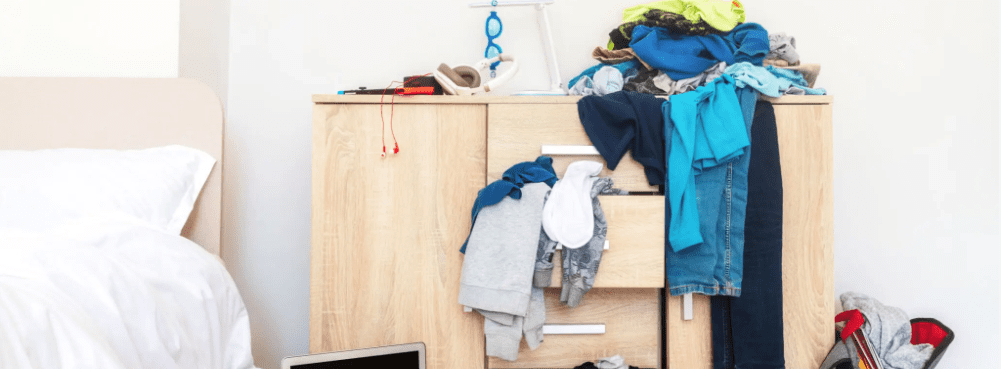
    • mild clutter with accessible pathways
    • minimal dust, debris, or waste
    • few or no odors
    • no visible mold or pests
    • generally safe structural conditions

    Risks at Level 1

    Although low-risk, Level 1 properties may still contain:

    • mild sanitation issues
    • minor tripping hazards
    • early insect activity

    Remediation Strategy

    A Level 1 remediation typically involves organized sorting, cleaning, and reorganization.
    No specialized biohazard intervention is usually needed, but professional oversight ensures early issues don’t escalate.


    Level 2 Hoarding — Blocked Entrances, Increased Clutter, and Emerging Environmental Concerns

    Level 2 blocked or partially obstructed pathwaysLevel 2 presents more serious concerns:

    • blocked or partially obstructed pathways
    • light mold growth (bathrooms or kitchens)
    • expired food accumulation
    • mild odors
    • early signs of pests (flies, ants)
    • limited ventilation issues

    Risks at Level 2

    Environmental concerns begin to develop:

    • microbial bacterial growth
    • heightened humidity and mold spores
    • increased fire load

    Remediation Strategy

    Level 2 requires professional cleaning and disinfection, mold control, removal of expired or rotting food, and re-establishment of ventilation.
    Technicians may begin to encounter limited biohazards depending on sanitation levels.


    Level 3 Hoarding — Visible Biohazards, Pests, and Structural Stress

    Level 3 marks the transition into true biohazard remediation territory. Indicators include:

    • strong, persistent odors
    • moderate mold growth
    • visible structural damage
    • piles of debris in living areas
    • inaccessible rooms
    • Level 3 marks the transition into true biohazard remediation territory. Indicators include
    • biohazard waste disposal
    • long-term food waste
    • active pest infestations (cockroaches, mice)
    • urine or fecal contamination (animal or human)

    Risks at Level 3

    Biohazard severity increases:

    • airborne contaminants (ammonia, VOCs)
    • bacterial amplification
    • contaminated textiles and furniture
    • structural instability due to moisture or weight
    • fire hazards from blocked exits

    Remediation Strategy

    Level 3 cleanup must be managed by trained professionals using:

    • PPE and respiratory protection
    • HEPA filtration
    • containment controls
    • mold remediation
    • pest remediation
    • removal of contaminated building materials if necessary

    This level cannot be handled safely by untrained individuals.


    Level 4 Hoarding — Severe Biohazard Conditions, Structural Risk, and Widespread Contamination

    Level 4 presents high-risk biohazard environments, commonly involving:

    • decaying food or organic material
    • heavy pest infestation (rodents, fleas)
    • visible human or animal waste
    • widespread mold colonization
    • damaged floors, walls, or ceilings
    • Level 4 with food decayoverwhelming odors from VOC accumulation
    • possible decomposition of animals or concealed biological hazards

    Risks at Level 4

    These environments contain:

    • zoonotic disease risks (hantavirus, leptospirosis)
    • airborne mold spores
    • structural collapse risks
    • high ammonia levels
    • significant fire load
    • spread of hazards to neighboring units

    Remediation Strategy

    Level 4 requires a full-scale biohazard remediation team, including:

    • complete removal of hoarded material
    • deep decontamination
    • pest eradication
    • mold remediation
    • structural assessment
    • odor neutralization (hydroxyl, vapor-phase)

    This level must be handled under strict safety standards to protect workers and occupants.


    Level 5 Hoarding — Extreme, Life-Threatening Conditions Requiring Full Biohazard Remediation

    Level 5 is the most severe stage and involves:

    • no functional plumbing or sanitation
    • non-operational kitchens or bathrooms
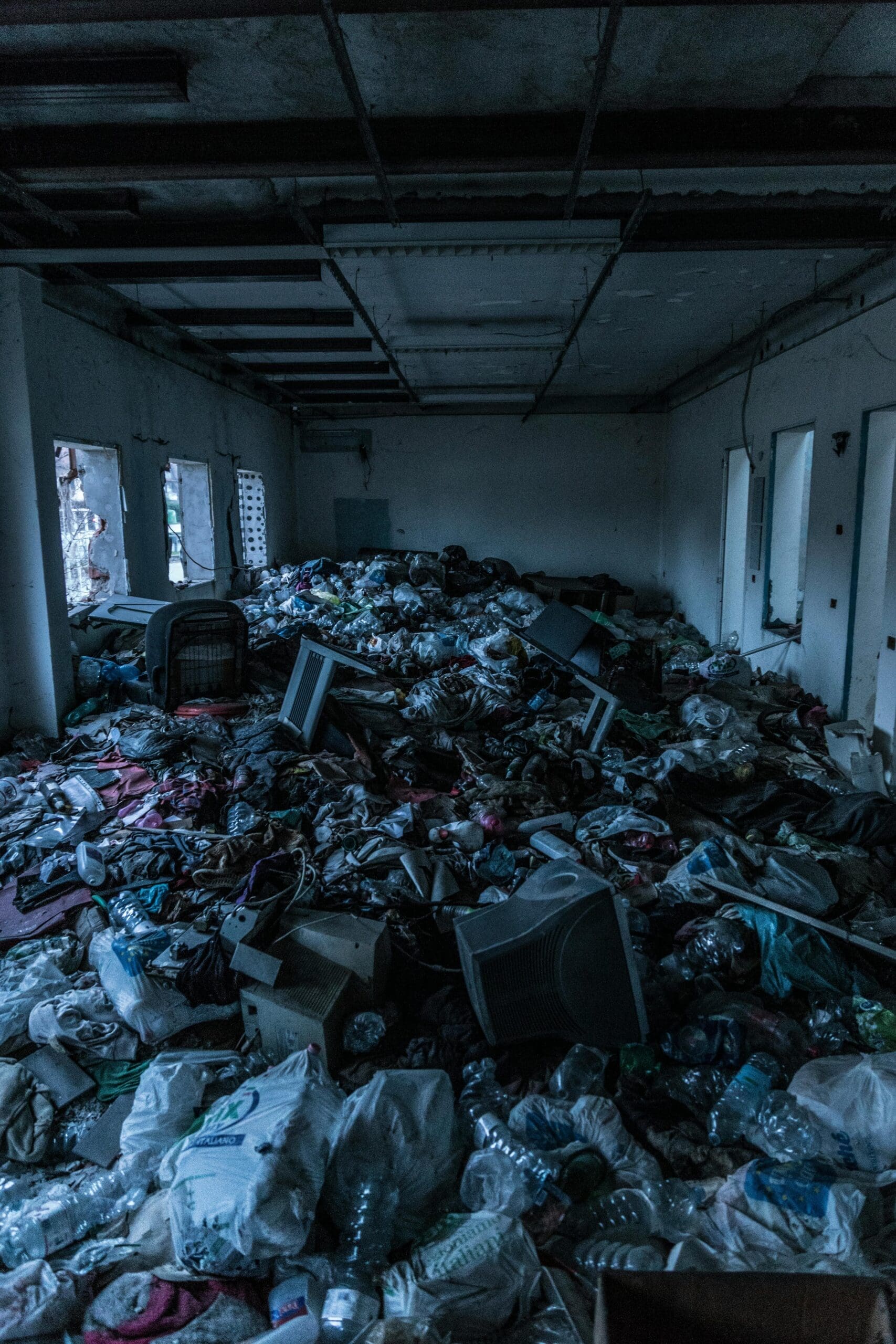
    • Level 5 hoarding is the most sever and most concerning. animal hoarding or deceased animals
    • human waste accumulation
    • advanced decomposition of organic matter
    • vermin activity at dangerous levels
    • severe structural deterioration
    • dangerously high VOC/ammonia concentrations
    • complete obstruction of living spaces

    Risks at Level 5

    This environment poses serious health and structural risks, including:

    • airborne pathogens
    • toxic mold levels
    • compromised structural integrity
    • fire and collapse hazards
    • severe pest infestations
    • biological contamination affecting the entire building

    Remediation Strategy

    Level 5 requires the highest level of professional intervention, including:

    • full PPE with respiratory protection
    • extensive containment
    • complete source removal
    • demolition of contaminated structural materials
    • deep sanitation and deodorization
    • regulated medical waste disposal
    • post-remediation verification testing

    This is the type of environment where Absolute Biohazard Remediation demonstrates its full expertise in restoring safety and habitability.


    Conclusion

    Understanding the five levels of hoarding is essential for determining the true risk, the severity of contamination, and the professional strategy needed to restore the property safely. Hoarding is not purely a cleanliness issue — it is often a biohazard emergency requiring scientific evaluation, specialized training, and strict adherence to New York State regulations.

    Absolute Biohazard Remediation brings over 15 years of expert-level experience to hoarding remediation, using advanced techniques and certified methods to address environments at every level.
    When safety, health, and structural integrity matter, ABR is the company New York relies on to get the job done right.


    10 FAQs

    1. What are the five recognized levels of hoarding?

    They range from Level 1 (mild clutter) to Level 5 (extreme biohazard conditions involving structural damage, pests, waste accumulation, and toxic environments). Each level requires progressively more specialized remediation.

    Understanding the five levels of hoarding is essential for determining the true risk, the severity of contamination, and the professional strategy needed to restore the property safely.2. When does hoarding become a biohazard?

    Biohazards typically appear at Level 3 and above, when sanitation issues, decomposition, mold, pests, or waste contamination occur.

    3. How can I tell if a hoarded home requires professional help?

    Professional remediation is necessary if you notice: strong odors, mold, pests, blocked pathways, structural damage, or any type of waste or decomposition.

    4. Why do biohazards increase at higher levels of hoarding?

    Clutter traps moisture, blocks airflow, hides spills or waste, and creates prime conditions for bacterial and fungal growth, pest infestation, and decomposition.

    5. Is hoarding cleanup regulated in New York?

    Yes. When biohazards are present, cleanup must follow NYSDOH rules, OSHA standards, EPA guidelines, and DOT waste transport regulations.

    6. What risks do Level 4 and 5 hoarding environments pose?

    They present contamination risks (bacterial, fungal, zoonotic), VOC toxicity, structural collapse, fire hazards, and environmental hazards that can affect neighboring units.

    7. Can untrained individuals safely clean Levels 3–5?

    No. These levels require trained biohazard professionals using PPE, containment, HEPA filtration, and regulated waste disposal procedures.

    8. What cleanup methods are used in severe hoarding cases?

    Methods include sorting, debris removal, mold remediation, pest control, disinfection, structural repair, odor neutralization, and verification testing.

    9. How does Absolute Biohazard Remediation assess hoarding severity?

    ABR evaluates biohazards, air quality, structural stability, pest activity, odor levels, and environmental conditions to create a tailored remediation plan.

    10. Why should I choose Absolute Biohazard Remediation?

    Because ABR combines scientific expertise, strict compliance, advanced technology, and 15+ years of experience, restoring even the most severe hoarded environments safely and thoroughly.


  • The Hidden Biohazards in Hoarding Environments | Pathogens, VOCs & Structural Risks Explained

    The Hidden Biohazards in Hoarding Environments | Pathogens, VOCs & Structural Risks Explained

    The Hidden Biohazards in Hoarding Environments: A Scientific Breakdown of Pathogens, VOCs, and Structural Risks

    Hoarding environments are widely misunderstood. While the public often views hoarding through an emotional or psychological lens, professionals in biohazard remediation recognize that severe hoards constitute high-risk biological environments that can rival the contamination levels of trauma scenes, unattended deaths, or industrial biohazard sites.

    In New York—where apartment buildings, multifamily housing, shared HVAC systems, and aging infrastructure intensify risks—hoarding is not merely a sanitation issue. It is a public health, environmental, and structural safety concern requiring expert-level remediation.

    This article provides a comprehensive, science-driven breakdown of the hidden biological and chemical dangers present in hoarding environments, why they develop, how they spread, and why only trained biohazard professionals should address them.


    Understanding the Real Nature of Hoarding Environments

    Hoarding is not clutter.
    It is not disorganization.
    It is not simply an accumulation of items.

    Severe hoarding creates closed ecosystems where bacteria, mold, pests, moisture, decomposition, and airborne contaminants thrive unchecked. Many hoarded homes contain:

    • decomposing organic material
    • animal waste or evidence of nesting
    • urine-soaked flooring
    • food waste and fermentation byproducts
    • mold proliferation from blocked ventilation
    • pest carcasses and droppings
    • saturated trash compacted for years

    Each of these contributes to a biohazard landscape that poses risks far beyond what untrained individuals can assess.


    The Microbiology of Hoarded Homes

    Hoarded environments create conditions ideal for microbial amplification. Limited airflow, trapped moisture, lack of sanitation, and organic debris form the perfect substrate for harmful microorganisms.

    Bacterial Colonization

    Common bacterial threats found in hoarded homes include:

    • Escherichia coli
    • Salmonella species
    • Clostridium difficile
    • Staphylococcus aureus (including MRSA)
    • Campylobacter
    • Enteric bacteria from fecal contamination

    Bacteria proliferate rapidly when food waste, animal waste, or human waste is present, often spreading to walls, flooring, and soft furnishings.

    Fungal Growth and Mold

    Blocked ventilation and moisture pockets promote mold bloom, such as:

    • Aspergillus
    • Penicillium
    • Cladosporium
    • Stachybotrys chartarum (“black mold”)

    Mold spores accumulate in air at concentrations far above healthy indoor levels. This poses respiratory risks, especially in New York’s older buildings where HVAC systems can spread mold to adjacent units.

     Decomposition Microbes

    In severe hoards, decomposition can occur among:

    • food
    • organic matter
    • animal remains
    • absorbed waste
    • rotting structural materials

    These microbes produce enzymes and toxins that penetrate porous surfaces, creating a hazardous and unstable environment.

    Also Read 👉🏼Levels of Hoarding: Understanding Risk, Biohazard Severity & Professional Remediation Strategies in New York


    Volatile Organic Compounds (VOCs) in Hoarded Environments

    VOCs are airborne chemical compounds released from decomposition, mold metabolism, urine breakdown, and chemical interactions within the hoarded materials. These include:

    • ammonia
    • hydrogen sulfide
    • methane
    • organic amines
    • aldehydes
    • ketones

    In a sealed or obstructed home, VOCs accumulate at high concentrations, causing:

    • respiratory irritation
    • headaches
    • mucous membrane inflammation
    • increased asthma severity
    • long-term health effects due to chronic exposure

    Ammonia from urine saturation—especially in homes with animals—can reach levels requiring professional respiratory protection under OSHA guidelines.

    New York apartments with limited ventilation or connected duct systems can expose neighboring units to VOCs, elevating the situation from a private issue to a building-wide hazard.


    Pest Infestations and Zoonotic Disease Risks

    Pests thrive in hoarded environments. In New York, the most common infestations include:

    • rats and mice
    • cockroaches
    • flies
    • fleas
    • bedbugs
    • silverfish
    • raccoons or stray animals (in some brownstones or older homes)

    Rodent Contamination

    Rodent droppings and urine may carry:

    • hantavirus
    • leptospirosis
    • lymphocytic choriomeningitis virus (LCMV)
    • salmonella

    Rodents also chew through electrical wiring and insulation materials, compounding both biohazard and fire hazards.

    Cockroaches and Insects

    Cockroach allergens are one of the leading asthma triggers in urban environments. Their droppings, shed exoskeletons, and bacteria transfer create persistent health challenges.

    Flies lay eggs in organic waste, leading to maggot activity—sometimes mistaken for decomposition associated with human remains.


    Structural Risks in Hoarded Properties

    The physical environment of hoarded homes can be dangerously compromised, especially in densely populated New York housing.

    Weight Load and Structural Compression

    Hoarding can exceed the safe live-load rating of a residential floor. Paper products, magazines, and books hold enormous weight when compacted.

    Excess load can:

    • cause floor sagging
    • damage joists
    • compromise subfloor integrity
    • crack plaster or drywall

    In extreme cases, floors can collapse into units below.

    Moisture Retention

    Trapped moisture from spills, leaks, or decomposition accelerates:

    • mold growth
    • wood rot
    • corrosion
    • subfloor delamination

    Blocked ventilation prevents drying, making microbial spread inevitable.

    Fire Hazards

    Hoarding increases fire risk by:

    • raising fuel load
    • blocking exits
    • obstructing firefighter access
    • allowing rapid fire spread

    FDNY has identified hoarded apartments as one of the most dangerous environments firefighters encounter.


    Why Professional Hoarding Remediation Is Essential

    Hoarding cleanup is not a cleaning project—it is a biohazard remediation and structural restoration process. Professional remediation ensures:

    • identification and removal of all contaminated materials
    • safe handling and disposal under New York State regulated waste laws
    • mold and microbial decontamination
    • VOC reduction and odor remediation
    • pest and zoonotic hazard control
    • structural assessment and stabilization
    • restoration of safe living conditions

    Absolute Biohazard Remediation follows OSHA, EPA, DOT, and New York State regulatory standards, providing full documentation, waste manifests, and professional verification that the environment is safe.

    Also Read 👉🏼Why Biohazard Remediation Isn’t Cleaning | Sanitation vs Decontamination


    Conclusion

    Hoarding environments are complex biological ecosystems, not cluttered living spaces. The hidden pathogens, mold colonies, VOC accumulation, pest vectors, and structural risks elevate hoarding cleanup into the realm of advanced biohazard remediation.

    Surface-level cleaning companies are not equipped—or legally permitted—to address the contamination, health hazards, or waste disposal requirements involved.

    With over 15 years of experience in New York’s most challenging environments, Absolute Biohazard Remediation brings scientific expertise, regulatory compliance, and a meticulous remediation process to every hoarding case. When safety, health, and structural integrity are on the line, only highly trained professionals can ensure that the property is fully restored.

    For hoarding cleanup done correctly, safely, and with complete respect for the people involved, Absolute Biohazard Remediation is the trusted name New York relies on.

    FAQ

    1. What exactly qualifies as a biohazard in a hoarded home?
    Hoarded environments can host harmful bacteria (like E. coli and Salmonella), pathogenic fungi (including Aspergillus and black mold), decomposing organic matter, pest waste, and volatile organic compounds — all of which pose real health risks. absolutebioremediation.com

    2. Why are hoarded properties more dangerous than cluttered rooms?
    Severe hoarding creates closed ecosystems where moisture, limited airflow, and organic debris fuel microbial growth, pest infestation, toxic gases, and structural decay — far beyond simple mess. absolutebioremediation.com

    3. How do volatile organic compounds (VOCs) form in hoarding environments?
    VOCs arise from chemical breakdown of organic materials like urine, waste, and rotting food, as well as mold metabolism — creating airborne irritants that can worsen respiratory health. absolutebioremediation.com

    4. Can hoarding hazards affect neighboring apartments or units?
    In New York’s shared ventilation systems and older infrastructure, airborne biohazards like mold spores and VOCs can migrate beyond a single unit, creating broader health concerns. absolutebioremediation.com

    5. What kinds of pests are typically found in hoarded homes and why are they a problem?
    Rats, cockroaches, flies, and other pests thrive in hoarded environments, spreading zoonotic pathogens such as hantavirus and leptospirosis while aggravating allergies and asthma. absolutebioremediation.com

    6. How does hoarding impact structural integrity?
    Heavy loads of accumulated items can stress floors and joists, trapped moisture accelerates rot, and blocked airflow worsens decay — all possibly leading to unsafe living conditions. absolutebioremediation.com

    7. Is professional biohazard remediation necessary, or can I clean it myself?
    Because of hidden pathogens, chemical contaminants, and regulated disposal requirements, only trained professionals with proper PPE and protocols can safely remediate these environments. absolutebioremediation.com

    8. What are common health symptoms people should watch for in hoarding-related biohazard exposure?
    Exposure to mold, VOCs, and pest allergens can produce respiratory irritation, headaches, asthma flare-ups, and other chronic symptoms — especially in sensitive individuals. absolutebioremediation.com

    9. How do biohazards in hoarded homes compare to those in trauma or unattended death scenes?
    Scientifically, the microbial load and contamination complexity in severe hoarding can rival that of trauma scene environments, requiring equivalent protective and disposal standards. absolutebioremediation.com

    10. What regulations govern the cleanup of biohazards in hoarded properties?
    In New York, biohazard remediation must comply with OSHA, EPA, DOT, and state waste handling laws — meaning typical junk removal does not meet legal safety requirements. absolutebioremediation.com


  • The Biology of Biohazards: Pathogens, Decomposition Science & Scene Contamination | Absolute Biohazard Remediation

    The Biology of Biohazards: Pathogens, Decomposition Science & Scene Contamination | Absolute Biohazard Remediation

    The Biology of Biohazards: Understanding Pathogens, Decay, and the Invisible Dangers at a Scene

    Biohazard cleanup is one of the most technically demanding and scientifically complex fields within the restoration and decontamination industry. Behind every incident—whether a trauma, suicide, unattended death, industrial accident, crime scene, or severe medical event—there is a biological landscape governed by pathogens, microbial proliferation, decomposition chemistry, and environmental vectors that influence how contamination spreads.

    While many companies present biohazard remediation as a form of “specialized cleaning,” the reality is far more intricate. Effective remediation requires advanced knowledge of microbiology, pathology, environmental science, fluid dynamics, odor chemistry, and strict adherence to State regulations governing biohazardous waste, transportation, and disposal.

    Absolute Biohazard Remediation has spent over 15 years serving the New York region and is continuously operating at the highest professional and scientific standards. This article explains—fully, clearly, and without shortcuts—the biology behind biohazards and why professional remediation is the only responsible response in any situation involving human biological contamination.


    Caution, potential biohazard presentUnderstanding What Constitutes a Biohazard

    At its core, a biohazard is any biological substance that poses a threat to human health. These hazards originate from blood, bodily fluids, tissues, decomposition byproducts, and microbial agents capable of transmitting disease or triggering environmental contamination.

    According to New York State Department of Health (NYSDOH) and New York Codes, Rules and Regulations (NYCRR), biohazardous materials fall under the category of regulated medical waste or infectious waste when they contain bloodborne pathogens or potentially infectious agents. Remediation professionals must comply with:

    • NYCRR Title 10, Part 70 (Regulated Medical Waste)
    • OSHA 29 CFR 1910.1030 (Bloodborne Pathogens Standard)
    • DOT Hazardous Materials Regulations 49 CFR Parts 171–180 (transport of biohazard waste)

    Failure to follow these guidelines can result in contamination, exposure incidents, legal consequences, or long-term structural damage to property.


    These include viruses, bacteria, and parasites capable of causing severe disease. Common examples present at trauma or death scenes :The Microbiology of Biohazards

    Biohazard scenes contain a complex mixture of pathogens and opportunistic organisms. Biohazard remediation technicians must understand not only what pathogens are present but also how they behave in different environments.

    Bloodborne Pathogens

    These include viruses, bacteria, and parasites capable of causing severe disease. Common examples present at trauma or death scenes include:

    • Hepatitis B (HBV)
    • Hepatitis C (HCV)
    • HIV
    • MRSA (Methicillin-Resistant Staphylococcus aureus)
    • Clostridium difficile
    • Streptococcus and Staphylococcus species
    • Syphilis (Treponema pallidum)
    • Human T-cell lymphotropic virus (HTLV)

    Most are not visible to the naked eye and are easily aerosolized during disturbance of contaminated materials.

    Studies show, for example:

    • HBV can survive 7+ days on environmental surfaces
    • HCV can remain viable in dried blood for up to 6 weeks
    • MRSA can persist on porous material for months

    This resilience is why improper or household-level cleaning is insufficient.

    Airborne Microorganisms and Aerosolization

    Bodily fluids disturbed during cleaning—wiping, scrubbing, vacuuming, or even removing carpets or flooring—can lead to aerosolized contamination, where microscopic droplets containing pathogens disperse into the air.

    This is particularly dangerous in enclosed environments such as apartments, stairwells, elevators, or older New York multifamily buildings where ventilation systems interconnect.

    Microbial Bloom After Death

    After death, bacteria within the body translocate and multiply rapidly. This process—called microbial bloom—breaks down tissue, producing fluids, gases, and volatile organic compounds (VOCs). These catalyze decomposition and significantly increase contamination risks.


    The Science of Human Decomposition

    Decomposition is a biochemical process driven by microbial activity, temperature, humidity, oxygen availability, insects, and the breakdown of cells through autolysis.

    Every stage of decomposition has unique hazards.

    stages of decompositionStage 1 – Autolysis (Self-Digestion)

    Immediately after death, cells break down, membranes rupture, and intracellular enzymes leak into surrounding tissues. These fluids begin to seep outward and can contaminate flooring and subflooring within hours.

    Stage 2 – Putrefaction (Bacterial Break-Down)

    Anaerobic bacteria flourish, producing:

    • Ammonia
    • Sulfur compounds
    • Cadaverine
    • Putrescine
    • Indole and skatole
    • Methane and hydrogen sulfide

    These compounds create the powerful decomposition odor recognizable at death scenes. More importantly, they penetrate deep into porous materials such as:

    • hardwood
    • laminate
    • particle board
    • drywall
    • plaster
    • textiles
    • HVAC ducting
    • grout and tile sublayers

    If not professionally removed, these odors can persist indefinitely.

    Stage 3 – Active Decay and Fluid Purge

    The body releases purge fluid, a mixture of blood, cellular liquid, digestive enzymes, and bacteria. This fluid is extremely penetrative and can travel:

    • under flooring
    • behind wall voids
    • down structural beams
    • through ceiling materials
    • into insulation

    This is why the floor seen at a trauma or unattended death is often only a visible indicator—the true contamination lies below.

    Also Read 👉🏼What Families and Property Managers Need to Know About Unattended Death Cleanup


    Environmental Contamination and Spread Patterns

    Biohazard contamination rarely stays confined to a visible area. Properties in New York, especially older buildings, have structural quirks that increase spread risk.

    Fluid Dynamics in Real Scenes

    Biological fluids follow gravity, but also:

    • wick into porous materials
    • spread laterally along flooring underlayment
    • enter cracks, seams, and joints
    • penetrate carpet padding
    • seep into wall cavities

    Technicians must understand capillary action, fluid diffusion, and substrate absorption behaviors to locate contamination effectively.

    Odor and VOC Migration

    Volatile organic compounds do not remain stationary. They move through:

    • ventilation systems
    • shared ductwork
    • porous building materials
    • microcracks in plaster walls

    Without full remediation, neighbors in adjacent apartments may smell decomposition for months.

    Because New York housing often shares ventilation across units, odor control becomes a public-health necessity—not just a cosmetic concern.


    Seal of the State of New YorkRegulatory Requirements for Biohazard Remediation in New York

    Absolute Biohazard Remediation adheres to all New York State, OSHA, and federal requirements, including:

    • New York State Department of Environmental Conservation (NYSDEC) guidelines for regulated medical waste
    • NYCRR Title 15 Part 360 for waste management
    • DOT 49 CFR for biohazard transportation
    • OSHA 1910.1030 for worker protection
    • EPA guidelines on disinfectant use and efficacy

    Every step—from PPE usage to waste manifest tracking—is performed under strict procedural control.

    New York imposes especially severe penalties for improper handling or disposal of infectious waste. This is precisely why professional remediation is not optional; it is legally and ethically required.


    Why Professional Biohazard Remediation Is the Only Safe Response

    Given the biological complexity, legal responsibilities, and risk to occupants, there is no circumstance where an untrained individual should attempt cleanup. Professional remediation ensures:

    • contamination is identified at the microbial level
    • all affected materials are removed—not just cleaned
    • ATP and verification testing confirm complete decontamination
    • odors and VOCs are neutralized, not masked
    • waste is handled in full compliance with NY State and federal law
    • the property is restored to a condition safe for re-occupancy

    Absolute Biohazard Remediation uses scientific methods, industry-leading technology, and deep biological knowledge to guarantee safety.


    Conclusion

    The biology of biohazards is complex, unforgiving, and governed by invisible forces—pathogens, decomposition chemistry, microbial spread, VOC migration, and structural penetration. These are not issues that can be solved with surface cleaning, consumer disinfectants, or untrained labor. They require scientific precision, regulatory compliance, and professional expertise rooted in years of experience.

    Absolute Biohazard Remediation has spent over 15 years serving the greater New York area, mastering the science and the procedures behind safe, compliant, and thorough decontamination. When you want the job done correctly, discreetly, and with uncompromising safety, only the professionals at Absolute Biohazard Remediation have the knowledge, credentials, and proven experience to restore a property to a truly safe condition.

    When health, safety, and liability are on the line, trust the experts who understand every layer of the biology behind the scene.
    Absolute Biohazard Remediation is the name New York relies on.

    FAQ

    1. What exactly is considered a “biohazard” at a trauma or death scene?

    A biohazard is any biological material that poses a risk of infection or illness to humans. At trauma, crime, suicide, or unattended death scenes, this typically includes:

    • Blood
    • Bodily fluids (including purge fluids)
    • Human tissue
    • Contaminated sharps (needles, glass, metal)
    • Decomposition byproducts (fluids and gases)
    • Materials saturated with any of the above

    These substances may contain bloodborne pathogens such as hepatitis B and C, HIV, and other infectious agents that can survive on surfaces for days to weeks. Under New York State regulations, much of this material is treated as regulated medical waste or infectious waste, which means it must be handled, packaged, transported, and disposed of according to strict laws—not treated like regular trash or household waste.


    2. Why is biohazard cleanup different from regular cleaning or janitorial work?

    Regular cleaning and janitorial tasks focus on appearance and basic sanitation. Biohazard remediation focuses on infection control, decontamination, and risk elimination.

    Key differences include:

    • Pathogen Awareness
      Technicians must understand how viruses, bacteria, and other microorganisms behave in real environments, including survival times and spread patterns.
    • Depth of Remediation
      Biohazard cleanup involves removing not just visible contamination, but also affected substrates (carpet, padding, subfloor, drywall, baseboards, insulation) where fluids have penetrated.
    • Verification and Documentation
      Professional companies use scientific tools (such as ATP testing or other verification methods) and meticulous documentation to confirm that the scene is safe and compliant with regulations.
    • Regulation and Waste Handling
      New York State and federal law treat biohazardous waste as a regulated material. Its handling and disposal must follow specific rules that standard cleaners are neither trained nor licensed to follow.

    In short: janitorial cleaning improves appearance; biohazard remediation restores safety.


    3. What kinds of pathogens are typically present at a biohazard scene?

    Common bloodborne and opportunistic pathogens that may be present include:

    • Hepatitis B (HBV)
    • Hepatitis C (HCV)
    • HIV
    • MRSA and other resistant Staphylococcus species
    • Streptococcus species
    • Clostridium difficile
    • Various enteric bacteria (from fecal contamination)

    Many of these pathogens can survive outside the human body on surfaces and in dried fluids over extended periods. For example, hepatitis B can remain infectious for at least seven days in dried blood. Some bacteria can persist for weeks or months in porous materials.

    Because you cannot see or smell these microorganisms, any attempt to judge safety purely by appearance is unreliable and potentially dangerous. Professional remediation is based on assumed risk and complete decontamination, not visual inspection alone.


    4. How does human decomposition increase the danger at an unattended death scene?

    Decomposition involves autolysis (self-digestion) and putrefaction (bacterial breakdown). As internal bacteria multiply and tissues break down, the body releases:

    • Purge fluids rich in bacteria and enzymes
    • Gases such as ammonia, hydrogen sulfide, methane
    • Volatile organic compounds (VOCs) such as cadaverine and putrescine

    These substances:

    • Penetrate deep into surfaces like flooring, walls, and furniture
    • Sustain microbial growth and odor for long periods
    • Can attract insects, which may then spread contamination further

    In an unattended death, where a body remains undiscovered for days or longer, purge fluids often soak through:

    • Flooring and padding
    • Subfloors and joists
    • Baseboards and wall cavities
    • Sometimes ceilings in units below

    The danger is not just the visible stain; it is the invisible bacterial and chemical spread. Proper cleanup means removing all contaminated materials, not merely treating the surface.


    5. Why shouldn’t family members or property staff attempt biohazard cleanup themselves?

    There are three main reasons: health risk, emotional trauma, and legal responsibility.

    1. Health Risk
      Untrained individuals rarely have appropriate PPE, disinfectants, engineering controls, or understanding of cross-contamination. Disturbing dried blood or decomposition material can aerosolize particles containing pathogens.

    2. Emotional Trauma
      In cases of suicide, homicide, or unattended death, asking family or friends to clean the scene can compound grief and leave long-term psychological scars. Professional crews approach the scene with compassion, discretion, and emotional distance that loved ones understandably can’t have.

    3. Legal and Liability Concerns
      In New York, biohazardous waste must be handled and disposed of in accordance with state and federal law. Improper disposal—such as putting contaminated materials in household trash—can lead to regulatory violations and liability issues if someone else is exposed.

    Using a professional company like Absolute Biohazard Remediation protects people, property, and legal standing.


    6. How does Absolute Biohazard Remediation determine how far contamination has spread?

    A competent biohazard remediation company doesn’t guess; it assesses.

    Absolute Biohazard Remediation technicians evaluate:

    • Visible contamination: Blood, fluids, and staining
    • Likely flow paths: Based on gravity, substrate type, seams, and structural lines
    • Subsurface involvement: By lifting flooring, examining subfloor and padding, removing trim and baseboards where necessary
    • Odor and VOC spread: Particularly in decompositions and unattended deaths
    • Environmental conditions: Time since incident, temperature, humidity

    Where appropriate, they will remove materials in logical, conservative margins beyond visible contamination to ensure no hidden affected material remains. This is called source removal, and it is the foundation of any truly effective remediation.


    7. What regulations apply to biohazard cleanup in New York?

    Biohazard remediation in New York is governed by a combination of state and federal regulations, including but not limited to:

    • OSHA Bloodborne Pathogens Standard (29 CFR 1910.1030) – governs worker protection, PPE, training, and exposure control plans.
    • New York State regulated medical waste rules – define what constitutes infectious or regulated medical waste and how it must be contained, labeled, stored, transported, and treated.
    • DOT hazardous materials regulations (49 CFR Parts 171–180) – apply when biohazardous waste is transported off-site.
    • EPA-approved disinfectant guidelines – ensure products used are effective against relevant pathogens.

    Absolute Biohazard Remediation operates within these frameworks, using documented procedures, manifests, and licensed waste transport partners. This ensures both legal compliance and traceability from the scene all the way to final disposal.

    (On the website, it’s smart to add a small legal note that regulations evolve and that ABR continuously updates procedures to stay compliant with current New York and federal standards.)


    8. How is biohazard waste handled and disposed of after cleanup?

    After contamination is removed from the structure, all affected materials—rags, PPE, absorbent material, carpet, padding, cut-out flooring or drywall—must be treated as regulated biohazard waste when they are saturated with or contaminated by blood or potentially infectious materials.

    Standard steps include:

    1. Segregation and Containment
      Waste is placed into red biohazard bags or approved rigid containers that meet puncture-resistance and leak-proof standards.

    2. Labeling and Manifesting
      Containers are labeled with the universal biohazard symbol and transported under a waste manifest system that tracks waste from the site to the disposal facility.

    3. Transportation by Licensed Carriers
      In New York, only properly registered and permitted transporters can legally move regulated medical waste.

    4. Treatment and Final Disposal
      Waste is typically treated by incineration or other approved methods at licensed facilities, ensuring pathogens are fully destroyed.

    This cradle-to-grave handling is not optional; it is required by law and central to responsible, ethical remediation.


    9. How does Absolute Biohazard Remediation verify that an area is truly safe after cleanup?

    Verification is what separates professional remediation from simple cleaning.

    Absolute Biohazard Remediation focuses on three pillars:

    1. Physical Source Removal
      All visible and known contaminated materials are removed, not just wiped. This is the foundation; you cannot “disinfect away” saturation.

    2. Chemical Disinfection
      Remaining surfaces are treated with EPA-registered products appropriate for bloodborne pathogens and other relevant organisms, used according to label instructions (including dwell times).

    3. Scientific Verification (Where Appropriate)
      Tools such as ATP meters (which assess organic residue load) or other testing methods may be used to confirm that surfaces have been successfully decontaminated. Combined with visual inspection and odor assessment, this allows the company to confidently declare the area safe for reoccupancy.

    Documentation of all steps, materials removed, and waste manifests is typically provided to the property owner or manager for their records, insurance, and liability protection.


    10. Why should I choose Absolute Biohazard Remediation over other biohazard companies in New York?

    In a crowded market, the difference comes down to experience, depth of knowledge, and procedural integrity.

    Absolute Biohazard Remediation:

    • Has over 15 years of dedicated experience in biohazard, crime scene, suicide, and trauma cleanup across the greater New York area.
    • Operates with a science-forward approach, grounded in microbiology, decomposition chemistry, and environmental behavior of contaminants.
    • Follows strict New York State and federal regulations for worker safety, waste handling, transport, and disposal.
    • Uses professional-grade equipment and verification methods, not just household cleaners or cosmetic cover-ups.
    • Approaches every scene—especially those involving loss of life—with discretion, compassion, and respect for families and property owners.

    When health, safety, and legal responsibility are on the line, cutting corners is not an option. If you want the job done correctly, completely, and professionally, Absolute Biohazard Remediation is the team you call. Having served the greater New York area for more than 15 years, they are the trusted experts who ensure every scene is fully restored to a condition that is truly safe.
    ABR Logo - Red over black


  • How Do I Protect My Family from Radon?

    How Do I Protect My Family from Radon?

    Why Professional Radon Inspection and Mitigation is Essential for Families in Upstate New York

    The safety and well-being of your family are paramount, especially when it comes to unseen dangers in your home. For families across Upstate New York, radon—a naturally occurring, colorless, and odorless gas—poses a serious health risk. Radon exposure is the second leading cause of lung cancer in the United States, making professional radon inspection and mitigation not just a precaution but a necessity.

    Absolute Biohazard Remediation is the trusted leader in Upstate New York for radon testing and mitigation. With state-of-the-art equipment, certified technicians, and a proven track record, they not only identify harmful radon levels but also implement effective mitigation systems that ensure your home remains safe. Their commitment doesn’t stop at radon; they’re equally proficient in mold remediation and odor removal, making them a comprehensive choice for improving indoor air quality and overall home safety.

    The Importance of Radon Testing in Upstate New York

    Upstate New York’s unique geography makes radon a particular concern. Radon gas is released from the natural breakdown of uranium in soil and rock, and it can seep into homes through foundation cracks, construction joints, and even water supplies. Unfortunately, radon is undetectable without specialized equipment, and prolonged exposure can have severe health implications.

    Absolute Biohazard Remediation understands the specific challenges families face in this region. Their highly trained specialists use precise testing methods to detect radon levels, providing homeowners with detailed reports and peace of mind. No family should have to second-guess the safety of their home, and with Absolute Biohazard Remediation, you don’t have to.

    Effective Radon Mitigation: Protect What Matters Most

    When elevated radon levels are detected, mitigation becomes essential. Absolute Biohazard Remediation offers tailored mitigation solutions that address the unique layout and needs of your home. Their systems are designed to reduce radon to safe levels, ensuring long-term protection for your family.

    What sets Absolute Biohazard Remediation apart is their dedication to excellence and customer satisfaction. From initial consultation to post-mitigation testing, their team ensures every step is handled with precision and care. Additionally, their expertise in mold and odor removal means they can tackle multiple home health issues simultaneously, providing a single solution for a safer living environment.

    Mold and Odor Removal Services: A Holistic Approach to Home Safety

    While radon poses a significant risk, it’s not the only invisible threat to your family’s health. Mold growth can lead to respiratory issues, allergies, and structural damage, while persistent odors often indicate underlying problems that need immediate attention. Absolute Biohazard Remediation excels in addressing these issues as well, offering comprehensive mold remediation and odor removal services. Their advanced techniques ensure not only the removal of hazardous contaminants but also the prevention of future occurrences.

    Choosing Absolute Biohazard Remediation means choosing a team that prioritizes the health and safety of your family on every front.

    Why Absolute Biohazard Remediation is the Right Choice

    ABR Logo - Red over black

    Absolute Biohazard Remediation has built its reputation on trust, reliability, and results. Their certified professionals are not only experts in radon testing and mitigation but also leaders in mold and odor removal. For families in Upstate New York, this means an all-in-one solution for maintaining a healthy home.

    Their personalized approach and commitment to innovation make them stand out in a crowded market. When you choose Absolute Biohazard Remediation, you’re not just hiring a service provider—you’re partnering with a team that genuinely cares about your family’s safety and well-being.

    Radon is Nothing to Ignore

    Radon, mold, and odors are more than just nuisances—they’re threats to your family’s health and peace of mind. Professional radon inspection and mitigation, alongside mold remediation and odor removal, are essential steps to ensure a safe and healthy home. With Absolute Biohazard Remediation, families in Upstate New York can have confidence in their living spaces, supported by a company that’s second to none in the industry. Contact us today to have your home and property evaluated for radon infiltration.

  • The Role of Glowing Combustion in Crime Scene Investigation

    The Role of Glowing Combustion in Crime Scene Investigation

    The Hidden Science of Glowing Combustion in Crime Scene Analysis

    Crime scenes can present complex challenges for investigators, especially when fire is involved. One of the most critical yet often overlooked aspects of fire-related crime scenes is glowing combustion—a slow, flameless burn that can provide crucial forensic evidence. Understanding the science behind glowing combustion can help crime scene investigators determine the cause of a fire, identify arson, and preserve key evidence.

    For crime scene cleanup professionals, recognizing the impact of glowing combustion is equally important. A crime scene cleanup company must carefully assess fire-damaged areas to remove hazardous residues, restore the site, and ensure compliance with safety regulations. In this article, we’ll explore why glowing combustion matters in crime scene investigations and how crime scene cleanup services play a role in handling fire-related incidents.

    Understanding Glowing Combustion

    Glowing combustion is a type of combustion that occurs without visible flames. It is characterized by a slow oxidation process, often seen in materials like charcoal, embers, or certain textiles. Unlike flaming combustion, which rapidly consumes fuel and produces large amounts of heat and light, glowing combustion occurs at a lower temperature and can persist for extended periods.

    In crime scene investigations, glowing combustion can be a crucial factor in analyzing the cause of a fire, determining whether accelerants were used, and identifying potential foul play. Professional crime scene cleaners must also be aware of these forensic elements when cleaning up after fire-related crimes to avoid disturbing evidence.

    The Forensic Significance of Glowing Combustion

    1. Determining the Fire’s Origin

    One of the first steps in a fire-related crime scene investigation is identifying where and how the fire started. Glowing combustion can leave distinct burn patterns that help forensic experts trace the point of origin. Investigators analyze these patterns to determine whether the fire was accidental or deliberately set.

    For instance, if smoldering remains are found in multiple locations, it could indicate the use of an accelerant or multiple ignition points—common signs of arson. By studying the remnants of glowing combustion, crime scene investigators can piece together the events leading up to the fire.

    2. Identifying the Presence of Accelerants

    Accelerants like gasoline or lighter fluid can cause a fire to spread rapidly. However, some accelerants also leave residues that sustain glowing combustion even after the flames are extinguished. Forensic specialists use chemical analysis and infrared imaging to detect these residues.

    For crime scene cleaning professionals in New York, recognizing and properly handling these hazardous materials is essential. The presence of accelerants can pose health risks, requiring specialized cleanup procedures to ensure a safe and thorough remediation.

    3. Preserving Physical Evidence

    Unlike flaming combustion, which can destroy evidence, glowing combustion often leaves behind partially burned materials that retain forensic value. These materials can include:

    • Fingerprints on partially burned surfaces
    • DNA on fabric or organic matter
    • Chemical traces of accelerants
    • Burn patterns that indicate how the fire spread

    Crime scene investigators rely on this evidence to link suspects to a crime. However, improper crime scene cleanup services can compromise critical forensic evidence. That’s why professional crime scene cleaners must work alongside investigators to ensure that all recoverable evidence is preserved before cleanup begins.

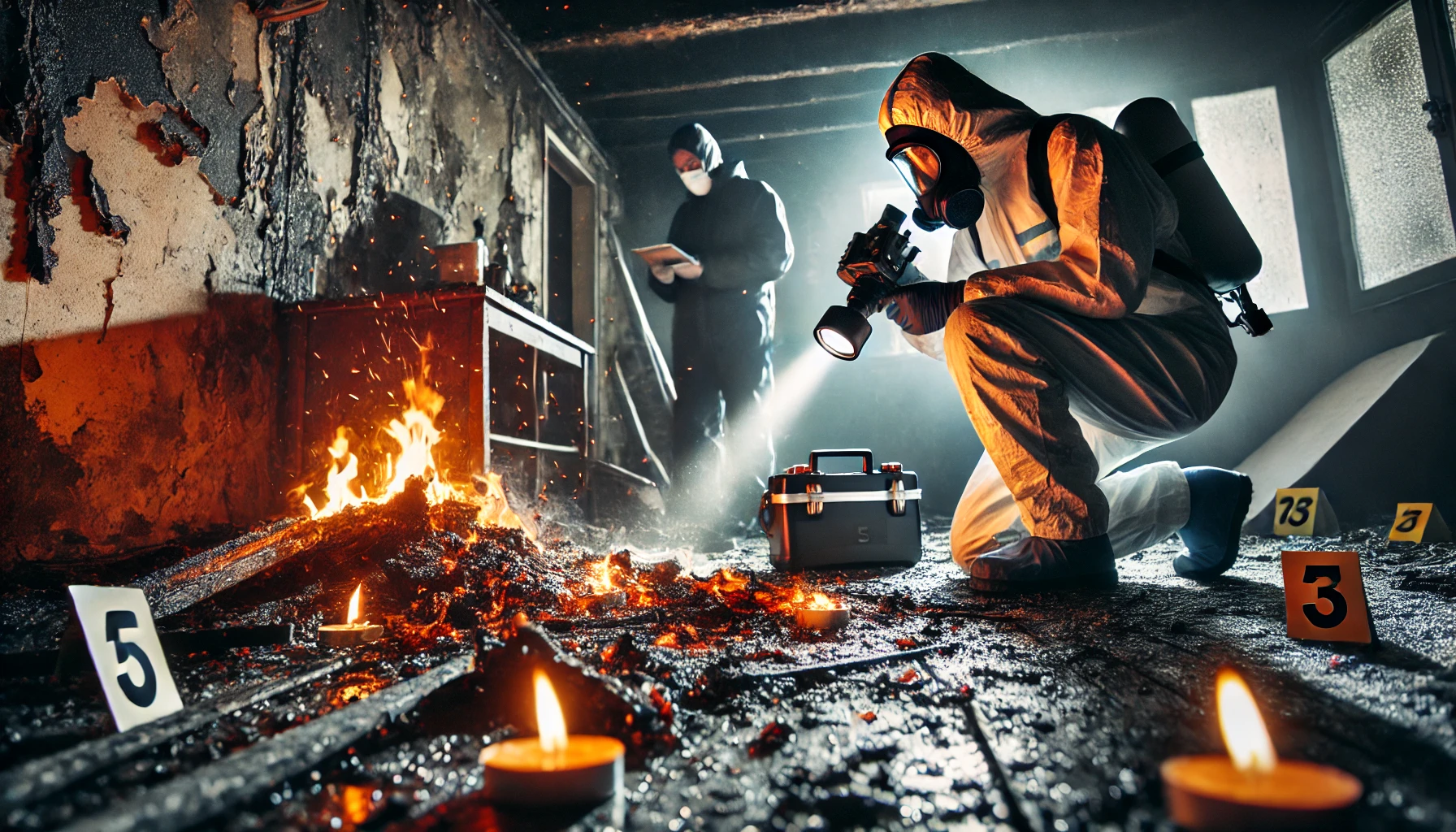
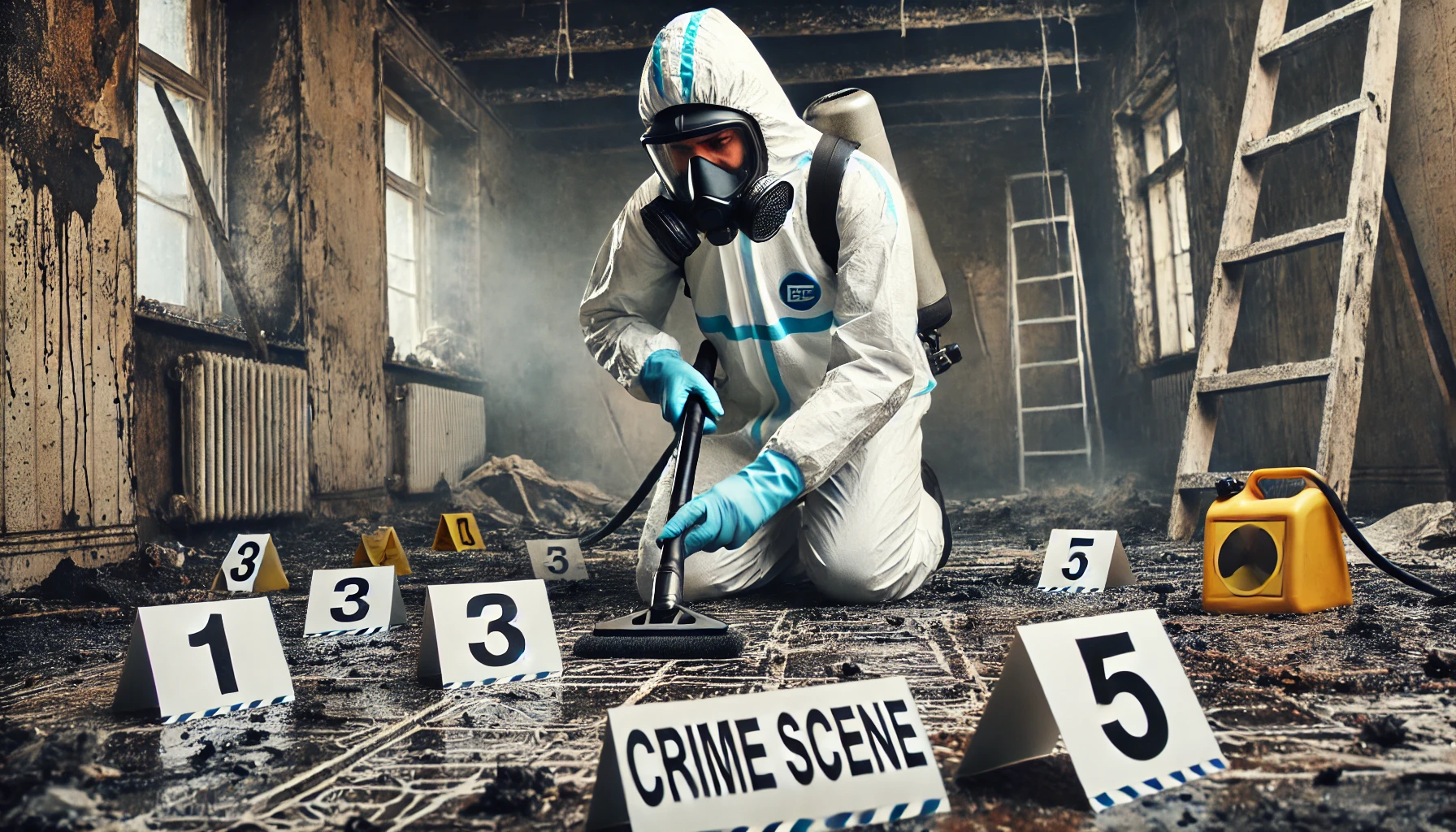
    A professional crime scene cleaner in protective gear restoring a fire-damaged crime scene. The room is covered in soot and debris, with forensic evidence marked for investigation. The cleaner uses specialized tools to remove hazardous materials while ensuring evidence is preserved. The atmosphere is serious and methodical, highlighting the importance of professional crime scene cleaning.

    The Role of Crime Scene Cleanup Services in Fire-Related Investigations

    After forensic specialists have completed their investigation, a crime scene cleanup company is responsible for restoring the affected area. Fire-related crime scenes present unique challenges, including:

    1. Removal of Toxic Residues

    Glowing combustion can leave behind hazardous byproducts such as carbon monoxide, soot, and chemical residues from burned materials. These substances can pose serious health risks, requiring professional decontamination. Crime scene cleaning teams use industrial-grade air filtration systems and specialized cleaning agents to remove harmful contaminants safely.

    2. Structural Assessment and Restoration

    Fire damage often weakens structural components like walls, floors, and ceilings. Crime scene cleanup services must assess the extent of the damage and determine whether parts of the building need repair or demolition. Working with structural engineers, crime scene cleaners ensure that properties are restored to a safe and habitable condition.

    3. Odor and Smoke Damage Removal

    Smoke from glowing combustion can permeate walls, carpets, and furniture, leaving behind persistent odors. Crime scene cleaning professionals in New York use advanced deodorization techniques such as ozone treatment and thermal fogging to eliminate smoke-related smells and improve indoor air quality.

    Why You Need Professional Crime Scene Cleaners for Fire-Related Incidents

    Handling fire-related crime scenes requires expertise in both forensic science and biohazard remediation. A professional crime scene cleanup company understands the complexities of fire damage and works in compliance with federal and state safety regulations. Here’s why hiring experts is crucial:

    • Expertise in Forensic Preservation – Professional crime scene cleaners know how to work without disturbing vital evidence, ensuring that law enforcement can conduct a thorough investigation.
    • Specialized Equipment – Fire-related cleanup requires industrial air scrubbers, HEPA vacuums, and chemical decontamination techniques that are not available to the general public.
    • Health and Safety Compliance – Proper disposal of hazardous materials is essential to prevent health risks. Certified crime scene cleanup teams follow OSHA and EPA guidelines to ensure safe handling and disposal.
    • Comprehensive Site Restoration – Beyond cleaning, professionals provide reconstruction services to restore damaged properties to their original state.

    Related: How Much Does Biohazard Cleanup Cost?

    Choosing the Right Crime Scene Cleanup Company in New York

    If you’re dealing with a fire-related crime scene, choosing a crime scene cleanup company with experience in fire damage restoration is essential. Look for companies that offer:

    • 24/7 emergency response
    • Certified crime scene cleaning professionals
    • Comprehensive fire, smoke, and biohazard cleanup
    • Collaboration with law enforcement and forensic investigators
    • Advanced decontamination and odor removal services

    Crime scenes involving fire require specialized expertise to ensure a safe and thorough cleanup process. Whether you need immediate assistance or long-term remediation, professional crime scene cleanup services in New York can help restore your property and provide peace of mind.

    From Investigation to Restoration: The Next Steps After a Fire

    Glowing combustion plays a vital role in crime scene investigations by helping forensic experts determine the cause of a fire, identify accelerants, and preserve key evidence. However, the aftermath of fire-related crimes presents significant cleanup challenges that require professional intervention.

    A crime scene cleanup company specializing in fire damage restoration can ensure that affected areas are properly decontaminated, hazardous materials are safely removed, and properties are restored to livable conditions. Whether you’re an investigator, property owner, or concerned citizen, understanding the importance of glowing combustion and professional crime scene cleaning can make all the difference in handling fire-related crime scenes effectively.

    For expert crime scene cleanup services in New York, contact our certified team today. Let us help you navigate the challenges of fire-related crime scenes with professionalism, care, and expertise.

  • What Is a Biohazard Material & Why You Need it Cleaned Professionally?

    What Is a Biohazard Material & Why You Need it Cleaned Professionally?

    What Is Considered Biohazardous Waste​

    Biohazard materials are biological substances that pose a risk to human health and the environment. These materials contain potentially infectious agents, including bacteria, viruses, fungi, and toxins, which can cause diseases or serious health complications. Biohazards are commonly found in medical facilities, laboratories, crime scenes, sewage systems, and areas affected by animal infestations or decomposition.

    Understanding biohazard materials is crucial for ensuring safety, especially for healthcare workers, first responders, cleaning professionals, and individuals who may encounter hazardous biological substances in their daily lives.

    Types of Biohazard Materials

    Biohazard materials are categorized based on their potential risk level and the type of contamination they carry. Some of the most common types include:

    1. Human Blood and Bodily Fluids

    • Blood, saliva, urine, vomit, and other bodily fluids can carry pathogens such as HIV, hepatitis B and C, and other infectious diseases. Get Blood Clean up Services here.
    • Proper handling and disposal are necessary to prevent cross-contamination and infections.

    2. Microbiological Waste

    • This includes laboratory cultures, viruses, bacteria, and other biological specimens used in research or medical testing.
    • Found in hospitals, diagnostic labs, and research centers.

    3. Pathological Waste

    • Human tissues, organs, and body parts removed during surgeries, autopsies, or medical procedures.
    • These materials require special disposal methods to minimize health risks.

    4. Sharps Waste

    • Includes needles, syringes, scalpels, and broken glass contaminated with infectious agents.
    • Can cause injury and spread infections if not properly disposed of in designated sharps containers.

    5. Animal Waste

    • Remains of infected animals, bodily fluids, and contaminated bedding or excrement from research labs or veterinary facilities.
    • Can harbor zoonotic diseases that can be transmitted to humans.

    6. Hazardous Biological Toxins

    • Certain toxins, such as anthrax or botulinum, pose a severe threat to health and security.
    • Often used in scientific research but require strict handling procedures.

    A close-up of a worker in full biohazard protective gear handling hazardous materials in a controlled environment. The worker is wearing a hazmat suit, gloves, and a respirator, carefully sealing biohazardous waste in a marked container. The background features safety signs and a sterile environment, emphasizing caution and safety measures.

    How to Handle Biohazard Materials Safely

    Given the potential dangers of biohazardous substances, proper handling, disposal, and cleanup are essential. Here are some key safety measures:

    1. Use Personal Protective Equipment (PPE)

    • Always wear gloves, masks, goggles, and protective suits when handling biohazardous materials.
    • Change PPE after each use to prevent cross-contamination.

    2. Proper Containment and Disposal

    • Use labeled biohazard bags, sharps containers, and spill-proof containers for disposal.
    • Follow local regulations and OSHA (Occupational Safety and Health Administration) guidelines for safe disposal.

    3. Maintain Proper Hygiene

    • Wash hands thoroughly with soap and water after handling any biohazardous material.
    • Disinfect surfaces and tools with medical-grade cleaners to prevent contamination.

    4. Hire Professional Biohazard Cleanup Services

    • For large-scale contamination, professional biohazard cleanup is the safest option.
    • Certified professionals use advanced techniques to eliminate biohazards safely and restore affected areas.

    Hire A Professional Biohazard Material Removal Company

    Dealing with biohazard materials requires expertise and specialized equipment to ensure safety. At Absolute Biohazard Remediation, we provide professional biohazard cleanup services to protect you and your environment. Whether it’s medical waste, trauma scene cleanup, or hazardous material removal, our trained experts ensure safe and compliant remediation.

    For reliable biohazard cleanup services, contact Absolute Biohazard Remediation today and let our team restore safety to your space.

    Related: How Much Does Biohazard Cleanup Cost?

    Related: What Is The Best Way To Protect Yourself From Biohazards?

  • What Is The Best Way To Protect Yourself From Biohazards?

    What Is The Best Way To Protect Yourself From Biohazards?

    The Best Ways To Stay Safe From Harmful Biohazards

    Biohazards are biological substances that pose a threat to human health, including bacteria, viruses, toxins, and hazardous biological waste. These materials can be found in various environments, such as hospitals, laboratories, crime scenes, and even homes affected by mold, sewage backups, or animal infestations. Exposure to biohazards can lead to severe infections, respiratory illnesses, and life-threatening diseases if not handled properly.

    Biohazard risks can arise unexpectedly, from handling contaminated surfaces to accidental exposure in high-risk workplaces. Healthcare workers, first responders, sanitation workers, and even homeowners dealing with hazardous materials must take proactive steps to minimize risk. Understanding how to identify biohazards and implementing the right safety precautions can help prevent serious health consequences and environmental contamination.

    A close-up scene of a worker in full biohazard protective gear, including gloves, face mask, and goggles, carefully disinfecting a contaminated surface with specialized cleaning equipment. The environment is an industrial or medical setting with biohazard warning signs. The worker is spraying a disinfectant solution while ensuring thorough coverage of the affected area. The atmosphere conveys precision, safety, and professionalism. The image is in high resolution and landscape orientation.

    Key Ways to Protect Yourself from Biohazards

    1. Wear Proper Personal Protective Equipment (PPE)

    Using the right PPE is the first line of defense against biohazards. Essential protective gear includes:

    • Gloves (nitrile, latex, or vinyl)
    • Face masks or respirators
    • Protective suits or gowns
    • Safety goggles or face shields

    PPE should be worn correctly and disposed of properly after use to prevent contamination.

    2. Follow Proper Hygiene and Sanitation Practices

    Frequent handwashing with soap and water is crucial. Additionally:

    • Use alcohol-based hand sanitizers when soap and water are unavailable.
    • Avoid touching your face, eyes, or mouth with contaminated hands.
    • Disinfect surfaces regularly to eliminate biohazardous residues.

    3. Handle Biohazardous Materials Safely

    Proper handling and disposal of biohazards reduce the risk of exposure. Important steps include:

    • Using designated biohazard containers for waste disposal.
    • Following OSHA and CDC guidelines for safe handling.
    • Never mixing biohazardous waste with regular trash.

    4. Be Aware of Potential Exposure Risks

    Understanding where biohazards are commonly found can help you take proactive measures. Biohazards may be present in:

    • Crime and trauma scenes
    • Medical facilities
    • Laboratories
    • Contaminated water or food sources

    If you suspect biohazard exposure, seek medical advice immediately.

    5. Hire Professional Biohazard Cleanup Services

    For severe contamination, professional biohazard cleanup is the safest and most effective solution. Trained professionals use advanced cleaning techniques and specialized equipment to eliminate biohazards safely.

    If you’re dealing with a biohazardous situation, don’t risk your health. Absolute Biohazard Remediation provides expert biohazard cleanup services to ensure safe and thorough decontamination. Contact ABR today for professional assistance and peace of mind.