Author: Michael Martin

  • The Health Risks of Mold Exposure: Leave It To The Pros!

    The Health Risks of Mold Exposure: Leave It To The Pros!

    Mold is a common household problem that can have far-reaching consequences for both your health and your home. While it might be tempting to tackle mold issues on your own, professional mold remediation services are essential for effectively addressing and mitigating the risks associated with mold exposure. In this blog post, we will explore the dangers of mold, how it can affect your health, the importance of professional remediation, and tips for preventing mold growth in your home.

    Understanding Mold and Its Impact

    Mold is a type of fungus that thrives in damp, humid environments. It can grow on various surfaces, including wood, drywall, carpet, and insulation. Mold spores are microscopic and can easily become airborne, spreading throughout your home and causing a range of health issues.

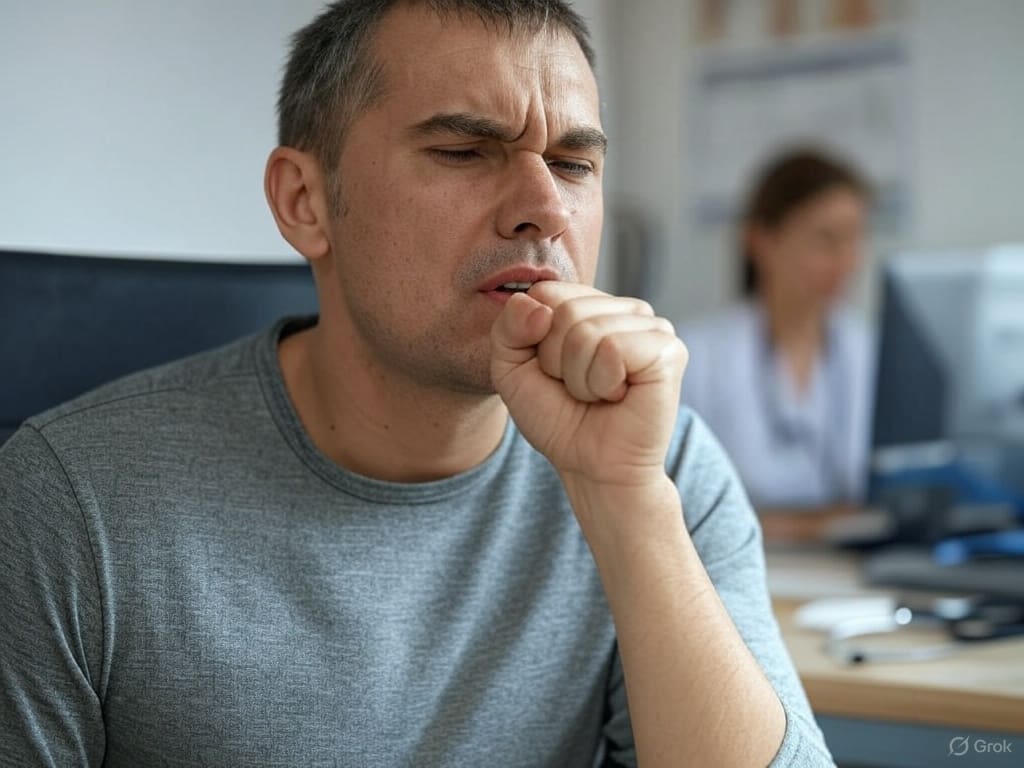
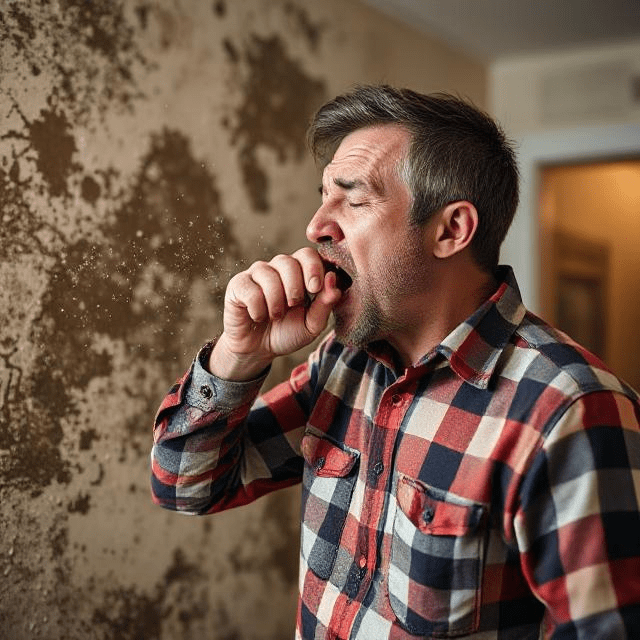
    Coughing from mold exposureHealth Risks of Mold Exposure

    Exposure to mold can lead to several health problems, particularly for individuals with allergies, asthma, or weakened immune systems. Some of the common health risks associated with mold exposure include:

    • Respiratory Issues: Mold spores can irritate the respiratory system, leading to symptoms such as coughing, sneezing, and shortness of breath.
    • Allergic Reactions: Mold exposure can trigger allergic reactions, including itchy eyes, runny nose, and skin rashes.
    • Asthma Attacks: Individuals with asthma may experience more frequent and severe asthma attacks when exposed to mold.
    • Infections: In rare cases, mold exposure can cause fungal infections, particularly in individuals with weakened immune systems.
    • Chronic Health Issues: Long-term exposure to mold can lead to chronic health problems, including persistent respiratory issues and fatigue.

    The Importance of Professional Mold Remediation

    While DIY mold removal might seem like a cost-effective solution, it often falls short in addressing the root cause of the problem and ensuring complete eradication. Here are some reasons why professional mold remediation is crucial:

    Thorough Inspection and Assessment

    Professional mold remediation experts have the knowledge and tools to conduct a thorough inspection of your property. They can identify the extent of the mold growth, locate hidden mold, and assess the underlying causes of moisture and humidity that contribute to mold development.

    Effective Mold Removal

    Professionals use specialized equipment and techniques to safely and effectively remove mold from your home. This includes proper containment to prevent the spread of mold spores, as well as the use of industrial-grade cleaning agents to eradicate mold colonies.

    Preventing the return of moldPrevention of Future Mold Growth

    Mold remediation experts not only remove existing mold but also address the underlying issues that caused the mold growth in the first place. They can provide recommendations for improving ventilation, repairing leaks, and controlling humidity levels to prevent future mold infestations.

    Health and Safety

    Handling mold can be hazardous, especially if you lack the proper protective gear and knowledge. Professional mold remediation ensures the safety of both the occupants and the workers by following industry-standard safety protocols and using appropriate personal protective equipment (PPE).

    Tips for Preventing Mold Growth in Your Home

    Preventing mold growth is crucial for maintaining a healthy living environment. Here are some tips to help you keep mold at bay:

    • Control Humidity Levels: Use dehumidifiers and air conditioners to maintain indoor humidity levels below 60%.
    • Fix Leaks Promptly: Repair any plumbing leaks or roof leaks as soon as they are detected to prevent moisture buildup.
    • Improve Ventilation: Ensure proper ventilation in areas prone to moisture, such as bathrooms, kitchens, and laundry rooms.
    • Clean and Dry Wet Areas: Clean and dry any areas affected by water spills or leaks within 24-48 hours to prevent mold growth.
    • Use Mold-Resistant Products: Consider using mold-resistant drywall, paint, and insulation in areas prone to moisture.

    Conclusion

    Mold exposure is a serious issue that can have significant health and property implications. By understanding the risks associated with mold and the importance of professional mold remediation, you can take the necessary steps to protect your home and family. Remember, when it comes to mold, it’s always best to leave it to the pros – Absolute Biohazard Remediation of Shokan, NY.  Call 845.464.7632 to schedule your appointment today!
  • Why DIY Mold Removal is a Risk You Shouldn’t Take

    Why DIY Mold Removal is a Risk You Shouldn’t Take

    While DIY mold removal may seem cost-effective, it can lead to hidden mold and structural damage, ultimately resulting in higher long-term expenses. For thorough and safe mold remediation, trust experienced professionals to protect your health and home.

    The Health Risks of DIY Mold Removal

    Man in for respiratory infectionMold exposure can cause respiratory problems, allergies, and skin irritations. Inhaling mold spores can lead to symptoms like coughing, wheezing, and shortness of breath, particularly in individuals with asthma or other preexisting lung conditions. It can also trigger allergic reactions, such as sneezing, runny nose, and red eyes. Prolonged exposure to mold can result in chronic sinus infections and exacerbate respiratory issues.

    DIY methods often leave spores behind, worsening health issues. While some people attempt to clean mold using household products, these methods may not penetrate surfaces deeply enough to remove all spores. Incomplete removal means the mold can grow back, continuing to pose health risks. Professional remediation is typically recommended to ensure that mold is thoroughly eliminated and to prevent recurrence, thereby protecting the health of everyone in the affected area.

    Improper Techniques and Equipment

    Professional mold removal uses specialized equipment and techniques. Experts in this field are trained to identify all areas affected by mold, including hidden spots behind walls or under floors. They use advanced tools such as HEPA vacuums, air scrubbers, and professional-grade cleaning solutions to ensure thorough removal.

    DIY methods often miss proper tools and knowledge, causing incomplete removal and mold regrowth. Without the correct expertise, individuals may only remove surface mold, leaving spores that can continue to spread. Additionally, improper handling of mold can release harmful spores into the air, posing health risks. Consequently, relying on professional services ensures a safer and more effective solution for dealing with mold problems.

    The Spread of Mold

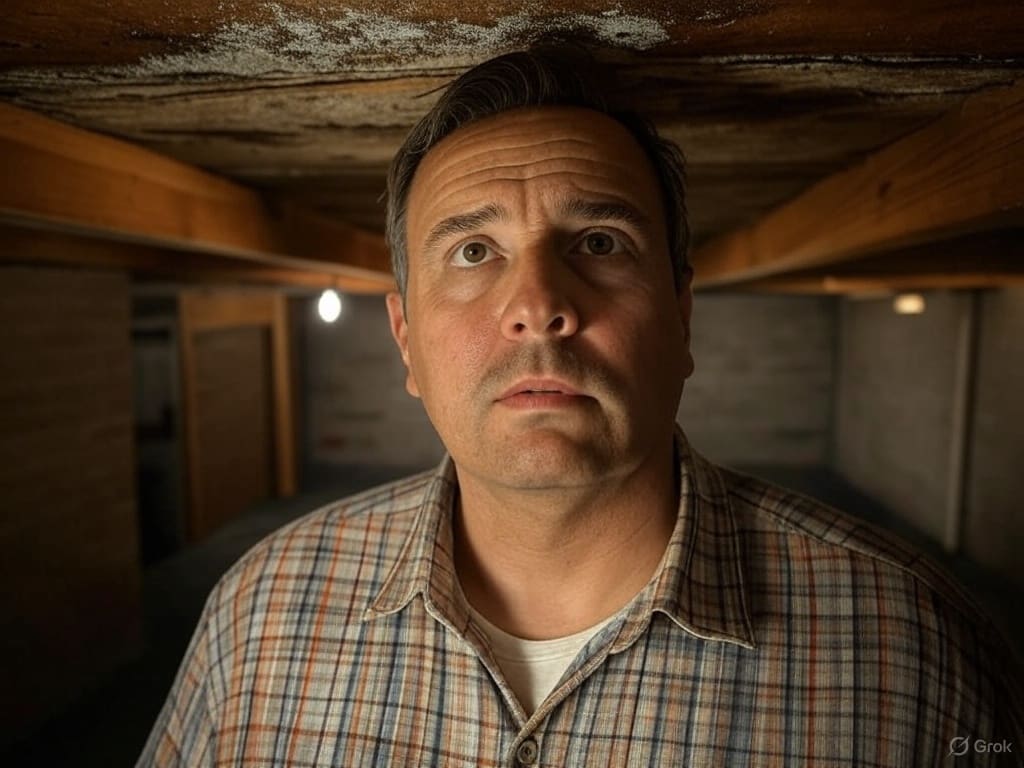
    Man discovers mold regrowthDIY mold removal can spread spores to other areas, worsening the problem and making future remediation harder. When individuals attempt to remove mold without proper equipment or techniques, they often disturb the mold colonies, causing the tiny spores to become airborne and settle in new locations. This not only exacerbates the existing issue but also increases health risks by exposing more people to potentially harmful mold spores. Additionally, improper removal can lead to incomplete eradication, allowing mold to grow back more aggressively and making professional remediation efforts more complicated and costly in the long run.
    Identifying Hidden Mold

    Mold can grow in hidden areas, such as behind walls and under floors. Professionals have the expertise to locate and treat mold in these concealed spaces, ensuring thorough removal.

    Structural Damage

    Mold can compromise the structural integrity of your home. DIY methods may not address the root cause of mold growth, leading to ongoing damage and costly repairs.

    Long-term Costs

    While DIY mold removal might seem cost-effective initially, the long-term expenses of inadequate treatment and recurring mold problems can far outweigh professional remediation costs.

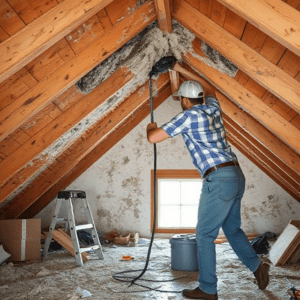
    struggling to remove mold in an atticConclusion

    Attempting to remove mold on your own can be dangerous and ineffective. For the safety of your health and home, it is essential to hire experienced professionals for mold remediation. Ensure a safe and mold-free environment by trusting experts with the job. Schedule an appointment today with Absolute Biohazard Remediation, by calling 845.464.7632 to get a free consultation and onsite inspection from the best and most experienced mold remediation specialists in the Hudson Valley of New York.

  • 10 Signs You Need Professional Mold Remediation ASAP

    10 Signs You Need Professional Mold Remediation ASAP

    Why Mold Remediation is Important

    Mold remediation is not just about eliminating visible mold; it also involves a comprehensive assessment and treatment of hidden infestations that may be lurking behind walls, under carpets, or in other concealed areas. These hidden mold colonies can severely compromise indoor air quality, releasing spores that can lead to a variety of health issues, including respiratory problems, allergies, and other serious conditions. Effective mold remediation requires not only the removal of visible mold but also the identification of moisture sources and the implementation of preventive measures to ensure that the environment remains safe and healthy for occupants.

    Here are ten signs you need professional mold remediation ASAP:

    1. Visible Mold Growth: What to Look For…

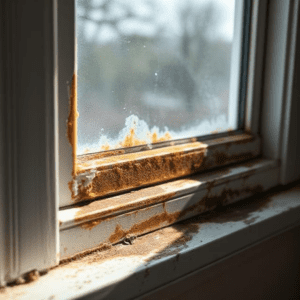
    mold growth on a window sillIf you notice mold growth on walls, ceilings, or floors, this is an immediate sign that you need professional intervention. Mold appears in various colors such as black, green, or white and can spread rapidly.
    2. Musty Odor: Unpleasant Smells…

    A persistent musty odor in your home is a telltale sign of mold presence. This smell often indicates hidden mold behind walls or under floors, necessitating professional assessment.

    3. Water Damage: Signs of Past Flooding

    Any history of water damage, such as flooding or leaks, can lead to mold growth. If your home has experienced water damage, professional mold remediation is essential to prevent future problems.

    4. Allergy Symptoms: Impact on Health

    A child suffers from allergiesExperiencing unexplained allergy symptoms like sneezing, coughing, or itchy eyes can be due to mold exposure. Mold spores can aggravate allergies and respiratory issues, making professional remediation critical.
    5. High Humidity Levels: Moist Environments

    Homes with consistently high humidity levels are breeding grounds for mold. Investing in professional mold remediation can help manage humidity issues and prevent mold growth.

    6. Peeling Paint or Wallpaper: Structural Damage

    Peeling paint or wallpaper is often a sign of moisture problems that lead to mold. Addressing this issue promptly with professional help can prevent further damage.

    7. Condensation on Windows: Moisture Build-Up

    Frequent condensation on windows suggests excess moisture in your home, which can result in mold growth. Professional mold remediation can identify and correct moisture sources.

    8. Stained Ceilings or Walls: Indicators of Mold

    Discoloration or stains on ceilings and walls often indicate mold. These signs require expert examination to confirm mold presence and necessitate remediation.

    9. Warped Floors or Walls: Structural Integrity

    moisture damaged floorboardsWarping of floor or wall materials is a strong indicator of moisture issues leading to mold. Professional remediation ensures structural stability and mold eradication.
    10. Previous Mold Issues: Recurrence of Mold

    If you have previously dealt with mold problems, there is a high chance of recurrence. Ongoing issues require professional remediation to ensure long-term solutions.

    Conclusion: It’s Probably Time to Call Absolute Biohazard Remediation

    Mold is a serious problem that demands immediate attention. By recognizing these ten signs, you can take proactive steps to safeguard your health and home through professional mold remediation, and if you live almost anywhere in the State of New York, call Absolute Biohazard Remediation – Don’t wait until it’s too late—act now to ensure a mold-free environment. Call us today at 845.464.7632.

  • The Role of Glowing Combustion in Crime Scene Investigation

    The Role of Glowing Combustion in Crime Scene Investigation

    The Hidden Science of Glowing Combustion in Crime Scene Analysis

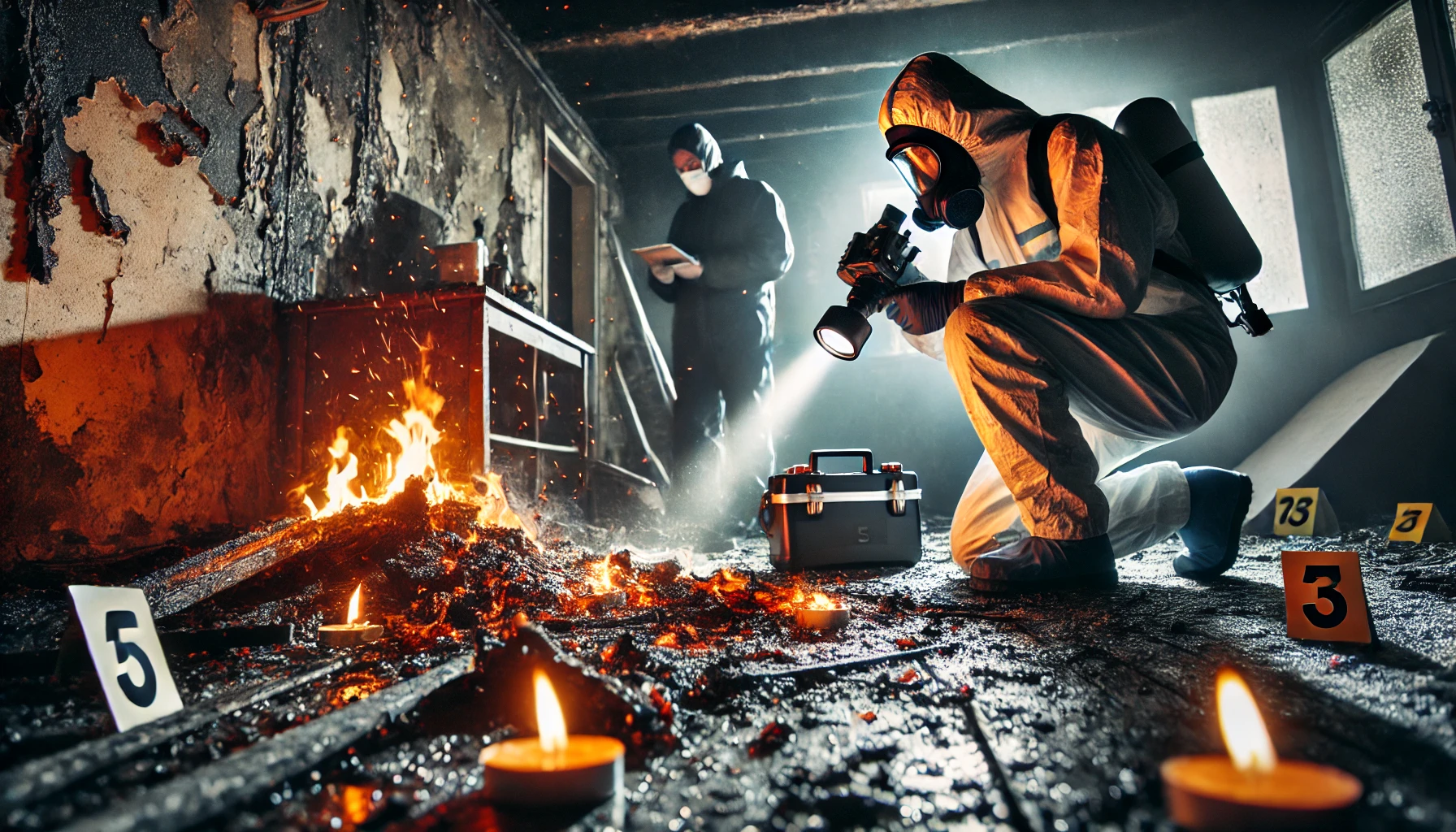
    Crime scenes can present complex challenges for investigators, especially when fire is involved. One of the most critical yet often overlooked aspects of fire-related crime scenes is glowing combustion—a slow, flameless burn that can provide crucial forensic evidence. Understanding the science behind glowing combustion can help crime scene investigators determine the cause of a fire, identify arson, and preserve key evidence.

    For crime scene cleanup professionals, recognizing the impact of glowing combustion is equally important. A crime scene cleanup company must carefully assess fire-damaged areas to remove hazardous residues, restore the site, and ensure compliance with safety regulations. In this article, we’ll explore why glowing combustion matters in crime scene investigations and how crime scene cleanup services play a role in handling fire-related incidents.

    Understanding Glowing Combustion

    Glowing combustion is a type of combustion that occurs without visible flames. It is characterized by a slow oxidation process, often seen in materials like charcoal, embers, or certain textiles. Unlike flaming combustion, which rapidly consumes fuel and produces large amounts of heat and light, glowing combustion occurs at a lower temperature and can persist for extended periods.

    In crime scene investigations, glowing combustion can be a crucial factor in analyzing the cause of a fire, determining whether accelerants were used, and identifying potential foul play. Professional crime scene cleaners must also be aware of these forensic elements when cleaning up after fire-related crimes to avoid disturbing evidence.

    The Forensic Significance of Glowing Combustion

    1. Determining the Fire’s Origin

    One of the first steps in a fire-related crime scene investigation is identifying where and how the fire started. Glowing combustion can leave distinct burn patterns that help forensic experts trace the point of origin. Investigators analyze these patterns to determine whether the fire was accidental or deliberately set.

    For instance, if smoldering remains are found in multiple locations, it could indicate the use of an accelerant or multiple ignition points—common signs of arson. By studying the remnants of glowing combustion, crime scene investigators can piece together the events leading up to the fire.

    2. Identifying the Presence of Accelerants

    Accelerants like gasoline or lighter fluid can cause a fire to spread rapidly. However, some accelerants also leave residues that sustain glowing combustion even after the flames are extinguished. Forensic specialists use chemical analysis and infrared imaging to detect these residues.

    For crime scene cleaning professionals in New York, recognizing and properly handling these hazardous materials is essential. The presence of accelerants can pose health risks, requiring specialized cleanup procedures to ensure a safe and thorough remediation.

    3. Preserving Physical Evidence

    Unlike flaming combustion, which can destroy evidence, glowing combustion often leaves behind partially burned materials that retain forensic value. These materials can include:

    • Fingerprints on partially burned surfaces
    • DNA on fabric or organic matter
    • Chemical traces of accelerants
    • Burn patterns that indicate how the fire spread

    Crime scene investigators rely on this evidence to link suspects to a crime. However, improper crime scene cleanup services can compromise critical forensic evidence. That’s why professional crime scene cleaners must work alongside investigators to ensure that all recoverable evidence is preserved before cleanup begins.

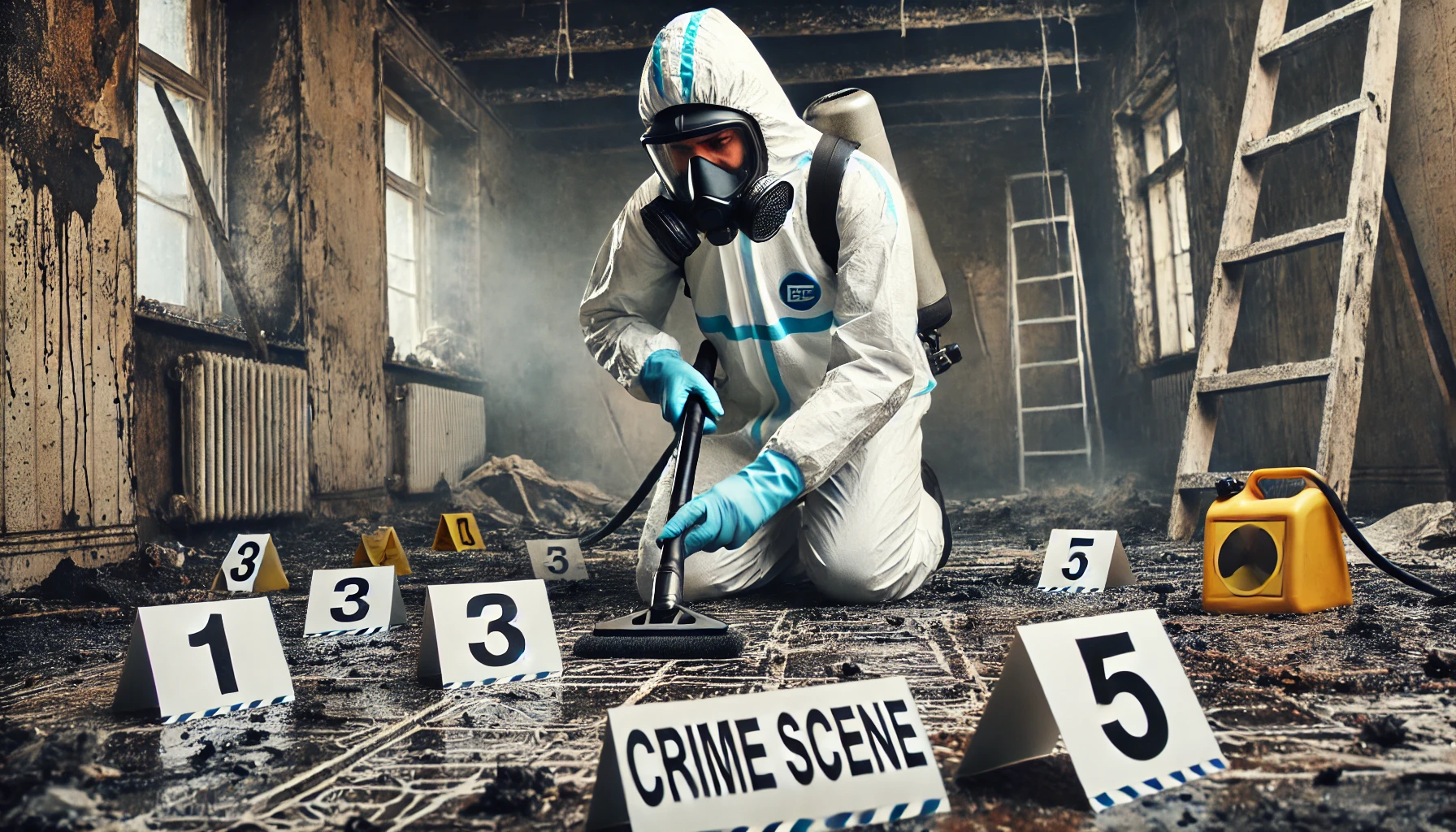
    A professional crime scene cleaner in protective gear restoring a fire-damaged crime scene. The room is covered in soot and debris, with forensic evidence marked for investigation. The cleaner uses specialized tools to remove hazardous materials while ensuring evidence is preserved. The atmosphere is serious and methodical, highlighting the importance of professional crime scene cleaning.

    The Role of Crime Scene Cleanup Services in Fire-Related Investigations

    After forensic specialists have completed their investigation, a crime scene cleanup company is responsible for restoring the affected area. Fire-related crime scenes present unique challenges, including:

    1. Removal of Toxic Residues

    Glowing combustion can leave behind hazardous byproducts such as carbon monoxide, soot, and chemical residues from burned materials. These substances can pose serious health risks, requiring professional decontamination. Crime scene cleaning teams use industrial-grade air filtration systems and specialized cleaning agents to remove harmful contaminants safely.

    2. Structural Assessment and Restoration

    Fire damage often weakens structural components like walls, floors, and ceilings. Crime scene cleanup services must assess the extent of the damage and determine whether parts of the building need repair or demolition. Working with structural engineers, crime scene cleaners ensure that properties are restored to a safe and habitable condition.

    3. Odor and Smoke Damage Removal

    Smoke from glowing combustion can permeate walls, carpets, and furniture, leaving behind persistent odors. Crime scene cleaning professionals in New York use advanced deodorization techniques such as ozone treatment and thermal fogging to eliminate smoke-related smells and improve indoor air quality.

    Why You Need Professional Crime Scene Cleaners for Fire-Related Incidents

    Handling fire-related crime scenes requires expertise in both forensic science and biohazard remediation. A professional crime scene cleanup company understands the complexities of fire damage and works in compliance with federal and state safety regulations. Here’s why hiring experts is crucial:

    • Expertise in Forensic Preservation – Professional crime scene cleaners know how to work without disturbing vital evidence, ensuring that law enforcement can conduct a thorough investigation.
    • Specialized Equipment – Fire-related cleanup requires industrial air scrubbers, HEPA vacuums, and chemical decontamination techniques that are not available to the general public.
    • Health and Safety Compliance – Proper disposal of hazardous materials is essential to prevent health risks. Certified crime scene cleanup teams follow OSHA and EPA guidelines to ensure safe handling and disposal.
    • Comprehensive Site Restoration – Beyond cleaning, professionals provide reconstruction services to restore damaged properties to their original state.

    Related: How Much Does Biohazard Cleanup Cost?

    Choosing the Right Crime Scene Cleanup Company in New York

    If you’re dealing with a fire-related crime scene, choosing a crime scene cleanup company with experience in fire damage restoration is essential. Look for companies that offer:

    • 24/7 emergency response
    • Certified crime scene cleaning professionals
    • Comprehensive fire, smoke, and biohazard cleanup
    • Collaboration with law enforcement and forensic investigators
    • Advanced decontamination and odor removal services

    Crime scenes involving fire require specialized expertise to ensure a safe and thorough cleanup process. Whether you need immediate assistance or long-term remediation, professional crime scene cleanup services in New York can help restore your property and provide peace of mind.

    From Investigation to Restoration: The Next Steps After a Fire

    Glowing combustion plays a vital role in crime scene investigations by helping forensic experts determine the cause of a fire, identify accelerants, and preserve key evidence. However, the aftermath of fire-related crimes presents significant cleanup challenges that require professional intervention.

    A crime scene cleanup company specializing in fire damage restoration can ensure that affected areas are properly decontaminated, hazardous materials are safely removed, and properties are restored to livable conditions. Whether you’re an investigator, property owner, or concerned citizen, understanding the importance of glowing combustion and professional crime scene cleaning can make all the difference in handling fire-related crime scenes effectively.

    For expert crime scene cleanup services in New York, contact our certified team today. Let us help you navigate the challenges of fire-related crime scenes with professionalism, care, and expertise.

  • What Is a Biohazard Material & Why You Need it Cleaned Professionally?

    What Is a Biohazard Material & Why You Need it Cleaned Professionally?

    What Is Considered Biohazardous Waste​

    Biohazard materials are biological substances that pose a risk to human health and the environment. These materials contain potentially infectious agents, including bacteria, viruses, fungi, and toxins, which can cause diseases or serious health complications. Biohazards are commonly found in medical facilities, laboratories, crime scenes, sewage systems, and areas affected by animal infestations or decomposition.

    Understanding biohazard materials is crucial for ensuring safety, especially for healthcare workers, first responders, cleaning professionals, and individuals who may encounter hazardous biological substances in their daily lives.

    Types of Biohazard Materials

    Biohazard materials are categorized based on their potential risk level and the type of contamination they carry. Some of the most common types include:

    1. Human Blood and Bodily Fluids

    • Blood, saliva, urine, vomit, and other bodily fluids can carry pathogens such as HIV, hepatitis B and C, and other infectious diseases. Get Blood Clean up Services here.
    • Proper handling and disposal are necessary to prevent cross-contamination and infections.

    2. Microbiological Waste

    • This includes laboratory cultures, viruses, bacteria, and other biological specimens used in research or medical testing.
    • Found in hospitals, diagnostic labs, and research centers.

    3. Pathological Waste

    • Human tissues, organs, and body parts removed during surgeries, autopsies, or medical procedures.
    • These materials require special disposal methods to minimize health risks.

    4. Sharps Waste

    • Includes needles, syringes, scalpels, and broken glass contaminated with infectious agents.
    • Can cause injury and spread infections if not properly disposed of in designated sharps containers.

    5. Animal Waste

    • Remains of infected animals, bodily fluids, and contaminated bedding or excrement from research labs or veterinary facilities.
    • Can harbor zoonotic diseases that can be transmitted to humans.

    6. Hazardous Biological Toxins

    • Certain toxins, such as anthrax or botulinum, pose a severe threat to health and security.
    • Often used in scientific research but require strict handling procedures.

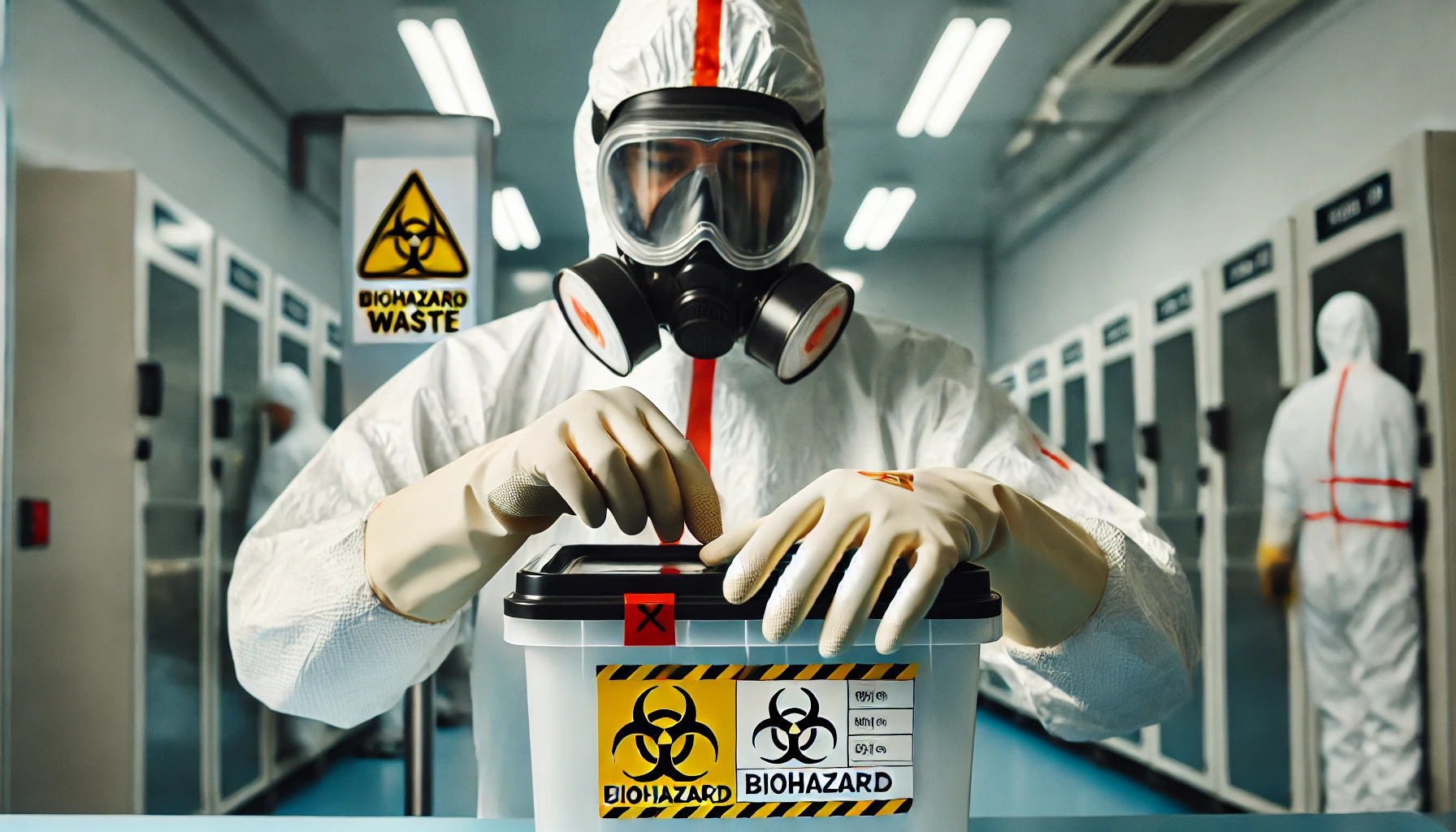
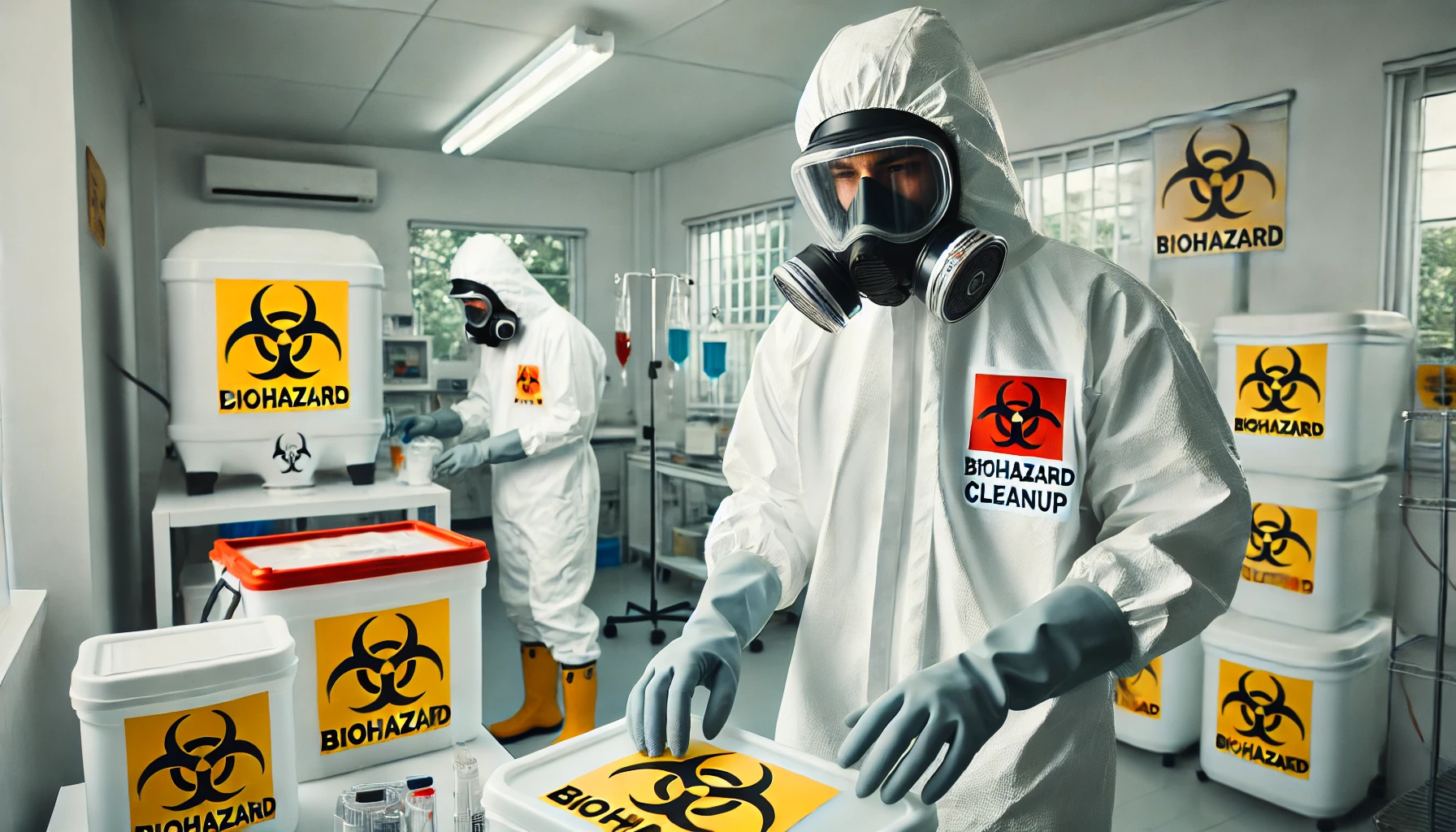
    A close-up of a worker in full biohazard protective gear handling hazardous materials in a controlled environment. The worker is wearing a hazmat suit, gloves, and a respirator, carefully sealing biohazardous waste in a marked container. The background features safety signs and a sterile environment, emphasizing caution and safety measures.

    How to Handle Biohazard Materials Safely

    Given the potential dangers of biohazardous substances, proper handling, disposal, and cleanup are essential. Here are some key safety measures:

    1. Use Personal Protective Equipment (PPE)

    • Always wear gloves, masks, goggles, and protective suits when handling biohazardous materials.
    • Change PPE after each use to prevent cross-contamination.

    2. Proper Containment and Disposal

    • Use labeled biohazard bags, sharps containers, and spill-proof containers for disposal.
    • Follow local regulations and OSHA (Occupational Safety and Health Administration) guidelines for safe disposal.

    3. Maintain Proper Hygiene

    • Wash hands thoroughly with soap and water after handling any biohazardous material.
    • Disinfect surfaces and tools with medical-grade cleaners to prevent contamination.

    4. Hire Professional Biohazard Cleanup Services

    • For large-scale contamination, professional biohazard cleanup is the safest option.
    • Certified professionals use advanced techniques to eliminate biohazards safely and restore affected areas.

    Hire A Professional Biohazard Material Removal Company

    Dealing with biohazard materials requires expertise and specialized equipment to ensure safety. At Absolute Biohazard Remediation, we provide professional biohazard cleanup services to protect you and your environment. Whether it’s medical waste, trauma scene cleanup, or hazardous material removal, our trained experts ensure safe and compliant remediation.

    For reliable biohazard cleanup services, contact Absolute Biohazard Remediation today and let our team restore safety to your space.

    Related: How Much Does Biohazard Cleanup Cost?

    Related: What Is The Best Way To Protect Yourself From Biohazards?

  • What Is The Best Way To Protect Yourself From Biohazards?

    What Is The Best Way To Protect Yourself From Biohazards?

    The Best Ways To Stay Safe From Harmful Biohazards

    Biohazards are biological substances that pose a threat to human health, including bacteria, viruses, toxins, and hazardous biological waste. These materials can be found in various environments, such as hospitals, laboratories, crime scenes, and even homes affected by mold, sewage backups, or animal infestations. Exposure to biohazards can lead to severe infections, respiratory illnesses, and life-threatening diseases if not handled properly.

    Biohazard risks can arise unexpectedly, from handling contaminated surfaces to accidental exposure in high-risk workplaces. Healthcare workers, first responders, sanitation workers, and even homeowners dealing with hazardous materials must take proactive steps to minimize risk. Understanding how to identify biohazards and implementing the right safety precautions can help prevent serious health consequences and environmental contamination.

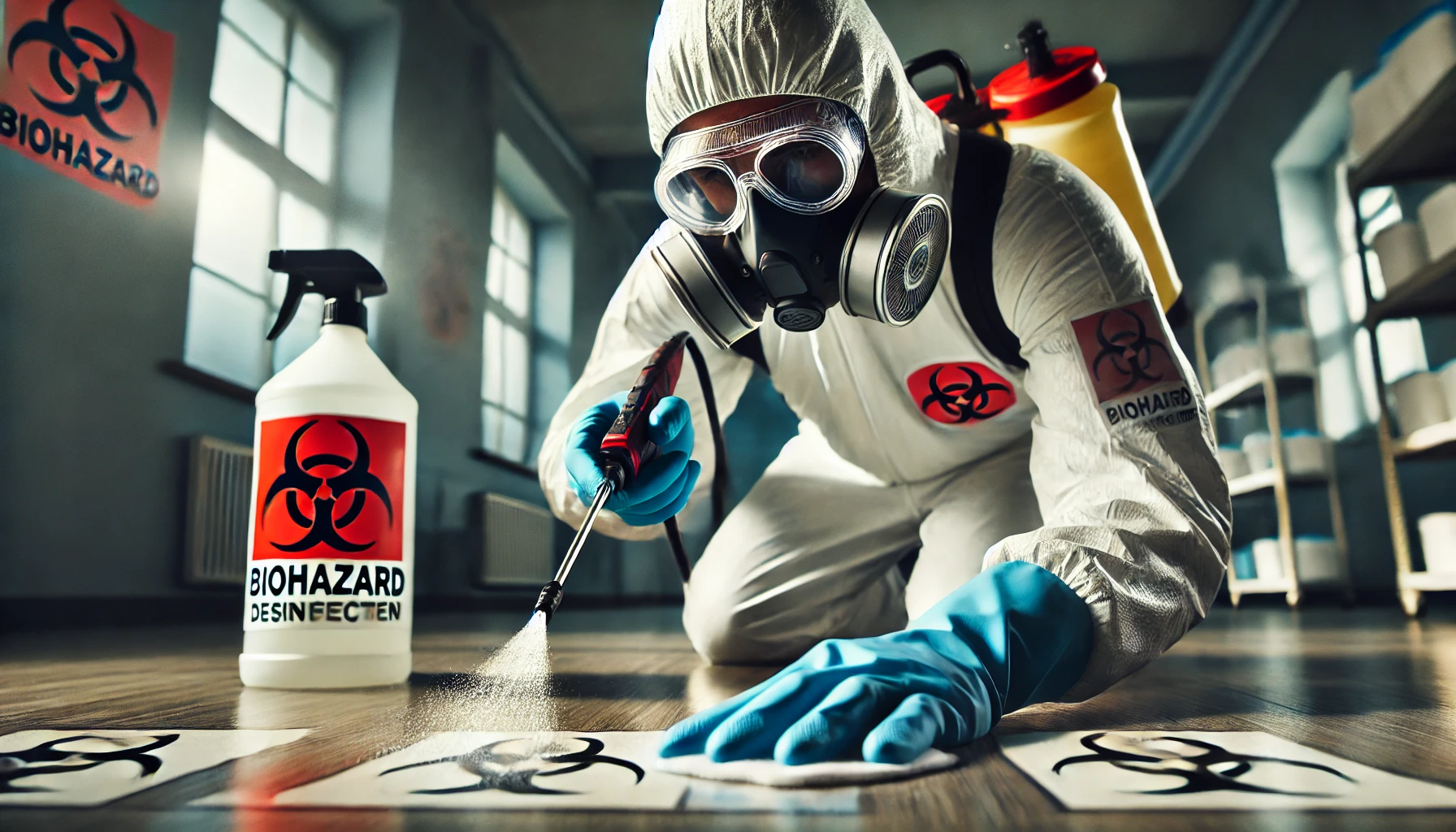
    A close-up scene of a worker in full biohazard protective gear, including gloves, face mask, and goggles, carefully disinfecting a contaminated surface with specialized cleaning equipment. The environment is an industrial or medical setting with biohazard warning signs. The worker is spraying a disinfectant solution while ensuring thorough coverage of the affected area. The atmosphere conveys precision, safety, and professionalism. The image is in high resolution and landscape orientation.

    Key Ways to Protect Yourself from Biohazards

    1. Wear Proper Personal Protective Equipment (PPE)

    Using the right PPE is the first line of defense against biohazards. Essential protective gear includes:

    • Gloves (nitrile, latex, or vinyl)
    • Face masks or respirators
    • Protective suits or gowns
    • Safety goggles or face shields

    PPE should be worn correctly and disposed of properly after use to prevent contamination.

    2. Follow Proper Hygiene and Sanitation Practices

    Frequent handwashing with soap and water is crucial. Additionally:

    • Use alcohol-based hand sanitizers when soap and water are unavailable.
    • Avoid touching your face, eyes, or mouth with contaminated hands.
    • Disinfect surfaces regularly to eliminate biohazardous residues.

    3. Handle Biohazardous Materials Safely

    Proper handling and disposal of biohazards reduce the risk of exposure. Important steps include:

    • Using designated biohazard containers for waste disposal.
    • Following OSHA and CDC guidelines for safe handling.
    • Never mixing biohazardous waste with regular trash.

    4. Be Aware of Potential Exposure Risks

    Understanding where biohazards are commonly found can help you take proactive measures. Biohazards may be present in:

    • Crime and trauma scenes
    • Medical facilities
    • Laboratories
    • Contaminated water or food sources

    If you suspect biohazard exposure, seek medical advice immediately.

    5. Hire Professional Biohazard Cleanup Services

    For severe contamination, professional biohazard cleanup is the safest and most effective solution. Trained professionals use advanced cleaning techniques and specialized equipment to eliminate biohazards safely.

    If you’re dealing with a biohazardous situation, don’t risk your health. Absolute Biohazard Remediation provides expert biohazard cleanup services to ensure safe and thorough decontamination. Contact ABR today for professional assistance and peace of mind.

  • How Much Does Biohazard Cleanup Cost?

    How Much Does Biohazard Cleanup Cost?

    How Much Should You Budget for Biohazard Cleanup

    Biohazard cleanup is a critical service for safely addressing hazardous materials like blood, bodily fluids, chemicals, sewage, or other contaminants that pose health risks. Whether you’re dealing with a crime scene, an unattended death, a hoarding situation, or a sewage backup, professional biohazard cleanup ensures safety and compliance with health regulations. However, one of the most common questions is: How much does it cost? Let’s break it down, exploring the factors that influence pricing and what you can expect to pay.

    Average Costs of Biohazard Cleanup

    Biohazard cleanup costs can vary widely depending on the situation, but on average, you can expect to pay between $1,500 and $5,000 for a typical residential job, such as cleaning a 2,000-square-foot home affected by an unattended death or moderate contamination. However, prices can range from as low as $300 for minor spills to as high as $25,000 for extreme cases, such as large-scale crime scenes, drug lab cleanups, or severe hoarding with biohazards.

    Here’s a quick overview of common scenarios:

    – Low-Risk Cleanup (e.g., minor spills or small waste): $200–$500

    – Moderate-Risk Cleanup (e.g., larger spills, medical waste, or less severe crime scenes): $500–$2,000

    – High-Risk Cleanup (e.g., extensive crime scenes, large-scale medical waste, or sewage backups): $2,000–$5,000

    – Extreme-Risk Cleanup (e.g., infectious diseases like Ebola, major crime scenes, or large chemical spills): $5,000–$25,000 or more

    These estimates can fluctuate based on several factors, which we’ll explore next.

    Key Factors Influencing Biohazard Cleanup Costs

    Several variables determine the final cost of biohazard cleanup. Understanding these can help you anticipate expenses and make informed decisions.

    1. Type and Severity of Contamination

    The nature of the biohazard significantly impacts the cost. For instance:

    – Bloodborne Pathogens or Bodily Fluids (e.g., from crime scenes or unattended deaths): These require specialized handling and disposal, often raising costs to $1,500–$10,000, depending on the extent and time elapsed since the incident.

    – Sewage Backups or Chemical Spills: These can range from $500–$5,000, but urgent or severe cases might cost more due to health risks and extensive cleanup needs.

    – Hoarding with Biohazards: If biohazards like animal waste or mold are present, costs can climb from $2,500 to $25,000, depending on clutter levels and contamination spread.

    – Infectious Diseases (e.g., COVID-19, Ebola): High-risk pathogens classified as Biosafety Levels 3 or 4 can drive hourly labor costs to $50–$600 per worker, with total costs reaching $5,000–$25,000 or more due to stringent safety measures.

    2. Size of the Affected Area

    Larger areas require more time, labor, and materials, increasing costs. A small bathroom cleanup (e.g., 100 square feet) might cost $1,500–$2,500, while a 2,000-square-foot home could range from $3,000–$5,000. If contamination spreads to walls, floors, or subfloors, additional demolition and reconstruction may add thousands to the bill.

    3. Biosafety Level (BSL)

    Biohazards are classified into four levels by the CDC, each with different risk and cost implications:

    – BSL-1 (Low Risk): Minor spills or non-infectious waste, costing $25–$50 per hour.

    – BSL-2 (Moderate Risk): Bloodborne pathogens or medical waste, costing $25–$150 per hour.

    – BSL-3 (High Risk): Airborne pathogens like SARS, costing $50–$150 per hour.

    – BSL-4 (Extreme Risk): Life-threatening microbes like Ebola, costing $150–$600 per hour.

    Higher BSLs require advanced PPE, specialized equipment, and more extensive decontamination, driving up costs.

    4. Time Since the Incident

    The longer a biohazard remains unaddressed, the harder and more expensive it becomes to clean. For example, an unattended death discovered days or weeks later can cost $2,000–$7,000 due to decomposition and contamination spread (e.g., under walls or into floors), compared to $1,500–$2,500 if addressed promptly.

    5. Urgency and Emergency Services

    If you need immediate cleanup—such as after a crime scene or sewage backup—expect higher costs. Emergency 24/7 services can range from $500–$1,000 per visit, with a 30-minute response time potentially matching those rates, depending on the situation.

    6. Labor and Equipment Costs

    Biohazard cleanup professionals charge hourly rates of $25–$600 per worker, depending on the risk level and expertise. Most companies send 1–2 technicians, but complex jobs may require a team, pushing hourly costs to $200–$1,200. Additional costs include:

    – Personal Protective Equipment (PPE): $50–$150 per worker per job for gloves, masks, and hazmat suits.

    – Specialized Cleaning Agents and Tools: $100–$500, depending on the job’s complexity.

    – Waste Disposal: $2–$20 per pound or $50–$500 total, often charged per 20-gallon biohazard bin (e.g., $250 per bin).

    7. Company and Location

    Pricing varies by provider. National franchises like Servpro may charge $900–$10,000, while local companies like Bio-Trauma 911 or Eco Bear might offer competitive rates ($1,500–$5,000) but at 50% less than some competitors. Regional differences also play a role—urban areas like Denver or Los Angeles may have higher costs due to demand and operating expenses compared to smaller towns.

    Additional Considerations

    – Insurance Coverage: Many homeowner’s or renter’s insurance policies cover biohazard cleanup, but you’ll likely pay a deductible (e.g., $500–$2,000). Check your policy or consult your provider, as some exclude certain biohazards (e.g., drug labs or hoarding). If uninsured, some companies offer financing, or government programs like California’s Victim Compensation Board may reimburse up to $1,709 for crime scenes.

    – Hidden Costs: Be wary of companies with unclear pricing. Transparent providers itemize labor, disposal, and equipment costs, avoiding surprise fees. Ask: “Do you charge extra for disposal?” or “Is PPE included?”

    How to Save on Biohazard Cleanup

    While safety is non-negotiable, you can manage costs:

    – Act Quickly: Address biohazards promptly to prevent escalation.

    – Check Insurance: Review your policy for coverage.

    – Compare Quotes: Get estimates from multiple companies, asking about experience, certifications, and total costs (labor + disposal).

    – Avoid DIY: Attempting cleanup yourself risks health, legal issues, and higher professional costs later due to improper disposal.

    Understanding Biohazard Cleanup Expenses in New York

    Biohazard cleanup costs range from $300 to $25,000+, with most residential jobs falling between $1,500 and $5,000. The price depends on the contamination type, area size, biosafety level, urgency, and provider. While the expense can feel daunting, professional services ensure safety, compliance, and peace of mind. If facing a biohazard situation, contact a certified company, verify insurance coverage, and request a detailed quote to understand your investment. Prioritizing safety today can save you money—and stress—tomorrow.

    Who to Hire for Biohazard Cleanup in New York

    When dealing with a biohazard in New York, choosing the right company is crucial for safety and cost-effectiveness. Absolute Biohazard Decontamination stands out as a trusted leader, offering expert, discreet, and affordable biohazard cleanup services across the state. With 24/7 availability and a commitment to thorough, compliant solutions, our certified technicians handle everything from blood and body fluids to sewage and infectious diseases. Don’t risk your health—contact Absolute Biohazard Decontamination today at 845 464 7632 or visit Absolute Biohazard Decontamination for a free quote and immediate assistance.