


When One Apartment Becomes a Building-Wide Risk: The Hidden Systems Impact of Hoarding
In multi-unit residential buildings, no apartment truly exists in isolation. Walls connect. Floors stack. Air circulates. Utilities intertwine. When hoarding conditions develop inside one unit, the consequences rarely stay contained. What appears to be a private issue often becomes a structural, environmental, legal, and financial exposure for the entire property.
For property managers, housing authorities, and condominium boards across Ulster, Dutchess, Orange, Rockland, Putnam, Westchester, Columbia, Delaware, Greene, Albany, Schenectady, Saratoga, Warren, and Washington Counties, understanding these cross-unit risks is no longer optional—it is operationally essential.
Below is a systems-level analysis of how one compromised apartment can place an entire building at risk.
Shared Airflow: How Contaminants Travel Beyond Walls
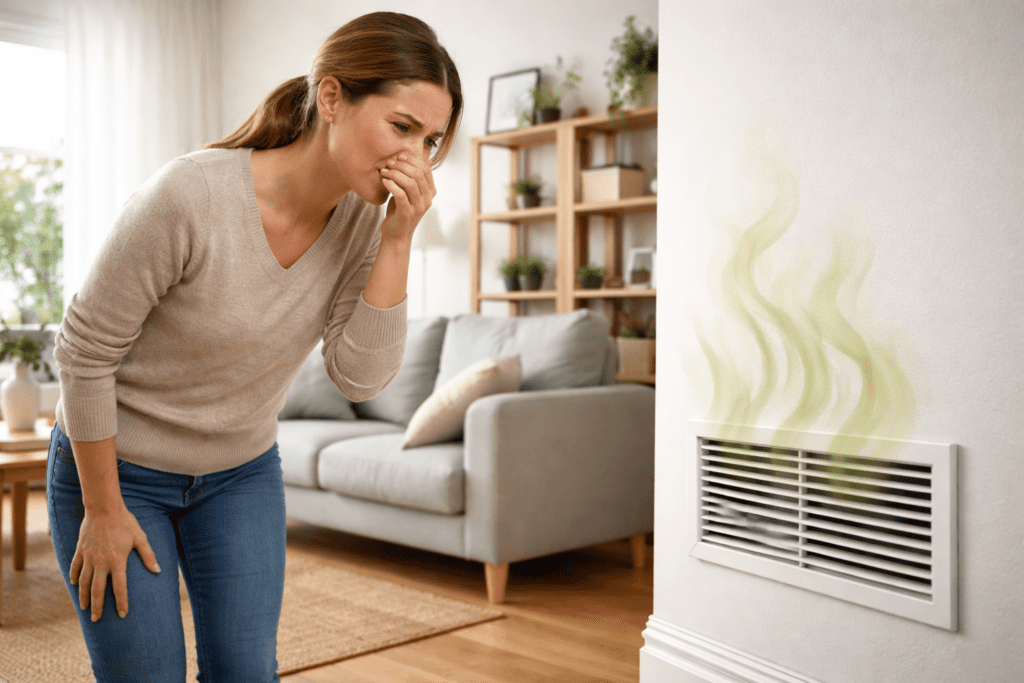
Most multi-family buildings rely on interconnected HVAC systems, shared chases, plumbing cavities, or passive air movement through stack effect (vertical airflow caused by temperature differences between floors). When a hoarded unit contains:
- Decomposing organic waste
- Mold growth from concealed moisture
- Ammonia or biohazard contamination
- Heavy dust and particulate accumulation
These contaminants can migrate through:
- Bathroom and kitchen exhaust pathways
- Ceiling voids and wall cavities
- Electrical penetrations
- Elevator shafts and stairwells
Even in buildings with nominally separate HVAC systems, pressure differentials pull air upward through vertical shafts. This means upper floors may experience odor migration, microbial exposure, and indoor air quality complaints that originate several units below.
From a liability standpoint, documented indoor air quality complaints that trace back to a known hoarding condition can escalate into claims of negligence if corrective action is delayed.
Vertical Load Stacking: Structural Stress You Can’t See
Hoarding is not merely clutter. In severe cases, contents can exceed several thousand pounds distributed unevenly across floor systems. Multi-story residential structures are engineered with defined live load capacities—typically around 40 pounds per square foot in residential settings.
Excessive accumulation introduces:
- Concentrated point loads
- Uneven distribution of weight
- Sagging subfloors
- Stress transfer to lower units
In wood-framed structures common throughout many New York counties, prolonged overload can lead to:
- Floor deflection
- Ceiling cracking below
- Fastener fatigue
- Structural weakening over time
Load stacking becomes particularly dangerous in older housing stock, where renovations may not have reinforced original framing to modern standards.
The risk is cumulative. One overloaded unit stresses the one below it. The building does not forget.
Pest Migration: A Building-Wide Infestation Catalyst

Hoarding environments provide ideal conditions for pests:
- Food sources
- Nesting materials
- Concealed harborage
- Moisture
Rodents and insects do not respect lease boundaries. They follow plumbing lines, electrical conduits, and structural gaps between units.
A single infested apartment can rapidly evolve into:
- Multi-unit rodent migration
- Bed bug spread
- Cockroach colonization
- Secondary contamination through droppings and urine
Once migration occurs, remediation costs multiply exponentially. What could have been contained intervention in one unit becomes a building-wide integrated pest management issue requiring coordinated access to multiple residences.
From an operational perspective, delayed response increases cost, complexity, and tenant dissatisfaction.
Fire Risk and Emergency Response Exposure
Hoarding dramatically increases fire load—the total combustible material present within a structure. Paper, textiles, cardboard, plastics, and obstructed exits create:
- Accelerated flame spread
- Higher heat release rates
- Blocked egress routes
- Firefighter access limitations
Stacked materials also impede sprinkler distribution patterns and may obstruct smoke detector performance.
In multi-unit buildings, a single ignition source in a hoarded apartment can compromise vertical fire separations, particularly if fire stopping penetrations have been breached or deteriorated over time.
Insurance carriers increasingly assess hoarding-related fire risk as a material underwriting concern.
Insurance and Liability Implications
When cross-unit damage occurs, questions emerge:
- Did management have prior knowledge?
- Was documentation maintained?
- Were reasonable corrective steps taken?
- Were inspections performed?
If odor complaints, pest sightings, or moisture reports were documented without decisive action, insurers may argue failure to mitigate.
Potential exposure includes:
- Property damage claims from adjacent units
- Health-related tenant complaints
- Loss of rental income
- Increased premiums or policy non-renewal
Proactive professional remediation reduces exposure by demonstrating due diligence and adherence to recognized safety protocols.
Compliance Documentation and Regulatory Risk
Local housing codes and public health departments may require:
- Habitability compliance
- Fire safety clearance
- Structural integrity assurance
- Pest abatement verification
- Biohazard remediation documentation
Failure to maintain proper documentation can lead to:
- Fines
- Mandatory abatement orders
- Temporary displacement requirements
- Legal proceedings
Professional remediation firms provide defensible documentation including:
- Pre-remediation condition assessments
- Hazard identification
- Remediation scope of work
- Clearance verification
- Waste disposal tracking
This documentation becomes critical if the situation escalates to legal or insurance review.
Moisture Spread and Mold Amplification
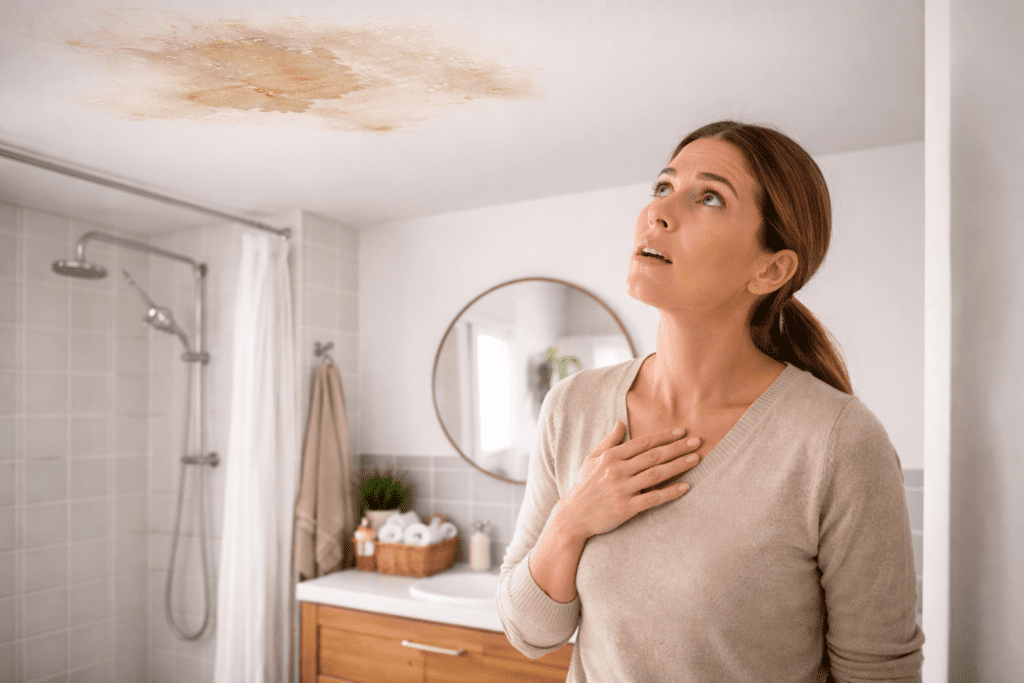
Hidden moisture beneath accumulated debris frequently goes undetected. Plumbing leaks, condensation, or spill events trapped under dense material can produce microbial growth that spreads through:
- Subfloor systems
- Shared wall cavities
- Adjacent drywall
- Insulation spaces
Mold does not require large visible flooding events. Long-term trapped humidity is sufficient.
Cross-unit mold claims are increasingly common in multi-family litigation scenarios, particularly when symptoms are reported by tenants in adjacent apartments.
Operational Reputation Risk
Beyond structural and regulatory exposure lies reputational harm.
When residents detect odors, pests, or visible deterioration in shared spaces, confidence in property management erodes. Online reviews, tenant retention challenges, and leasing difficulty often follow.
Early intervention protects not only infrastructure—but brand credibility.
Why Professional Biohazard Remediation Is Essential

Hoarding in multi-unit properties is not a janitorial task. It requires:
- Hazard risk assessment
- Engineering controls to prevent cross-contamination
- Containment barriers
- HEPA filtration
- Controlled debris removal
- Structural evaluation awareness
- Regulatory-compliant waste disposal
Absolute BioRemediation provides professional hoarding and biohazard remediation services throughout:
Ulster County, Dutchess County, Orange County, Rockland County, Putnam County, Westchester County, Columbia County, Delaware County, Greene County, Albany County, Schenectady County, Saratoga County, Warren County, and Washington County.
Our process prioritizes:
- Building system protection
- Cross-unit contamination prevention
- Compliance-ready documentation
- Coordination with property managers and insurance carriers
- Discretion and professionalism
The objective is not simply cleaning a unit. It is protecting the integrity of the entire structure.
The Systems Reality
Multi-family buildings behave like ecosystems. Air moves. Loads transfer. Pests migrate. Moisture spreads. Risk compounds.
Treating hoarding as a private tenant issue underestimates its systemic impact.
Early professional intervention transforms a potential building-wide liability event into a contained, documented, and defensible resolution.
(FAQs)
1. Can hoarding in one apartment affect neighboring units?
Yes. Shared ventilation, structural systems, and utility penetrations allow contaminants, pests, odors, and moisture to migrate beyond a single unit.
2. How does hoarding create structural risk?
Excessive accumulated weight can exceed engineered live load limits, causing floor deflection and stress transfer to lower units.
3. Does insurance cover damage from a hoarded apartment?
Coverage depends on policy terms and whether management took reasonable mitigation steps once aware of the condition.
4. Can mold spread between apartments?
Yes. Mold can grow within shared wall cavities, subfloors, and insulation spaces, spreading beyond the original source.
5. Why are pests common in hoarding situations?
Accumulated debris provides food, moisture, and nesting sites, encouraging rapid pest population growth and migration.
6. Is hoarding considered a code violation?
Severe hoarding may violate housing, fire, or health codes depending on local regulations.
7. How does airflow move contaminants vertically?
Stack effect and pressure differentials pull air upward through shafts, chases, and wall cavities.
8. What documentation should property managers maintain?
Inspection records, remediation reports, hazard assessments, clearance verification, and disposal documentation.
9. When should professional remediation be called?
At the first signs of biohazard contamination, structural overload, pest infestation, or persistent cross-unit complaints.
10. Can early intervention reduce liability?
Yes. Prompt professional remediation demonstrates due diligence and reduces the risk of expanded claims.